In today’s fast-moving eCommerce landscape, shoppable content is no longer a nice-to-have — it’s becoming one of the most powerful marketing strategies for brands that want to optimize performance and drive sales directly from social media platforms and beyond. Whether it’s a shoppable video on TikTok, Instagram monetization through product tags, or UGC strategy galleries on Shopify, brands now have more ways than ever to transform browsing into buying.
At the same time, proving return on investment (ROI) is critical for marketing teams, eCommerce managers, and CMOs under pressure to justify ad spend. This article will break down what shoppable content is, why brands are investing in it, the frameworks and key metrics you need to track ROI, and how to maximize results. We’ll also share real-world case studies from brands that used Foursixty to integrate shoppable posts, UGC, and shoppable ads into their customer journey.
What is Shoppable Content?
At its core, shoppable content transforms engaging media into clickable buying opportunities. Examples can include:
Instagram shoppable posts and reels with product tags.

Video ads with embedded CTAs

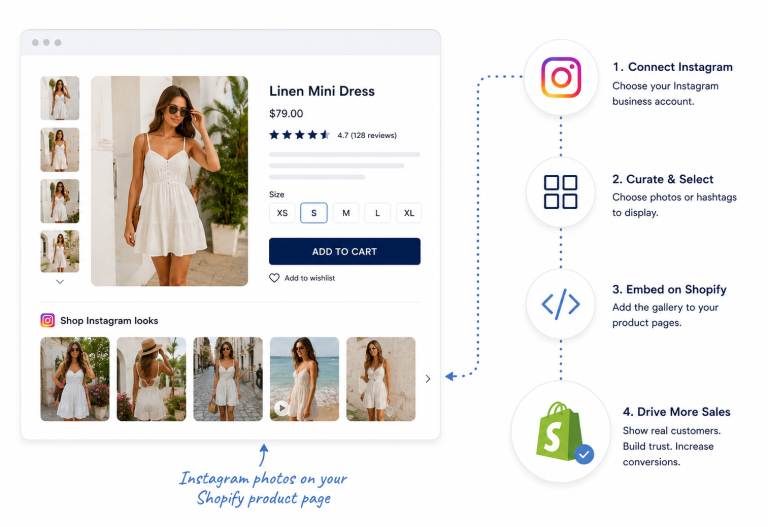
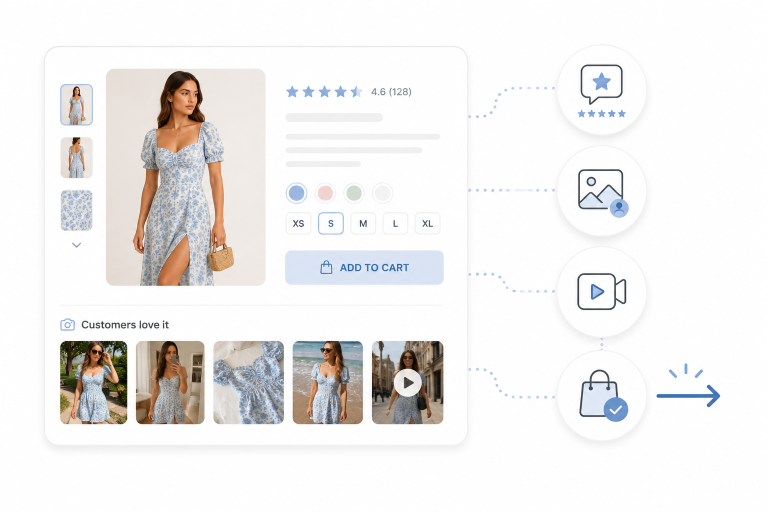
Website Shoppable Galleries that feature user-generated content (UGC).
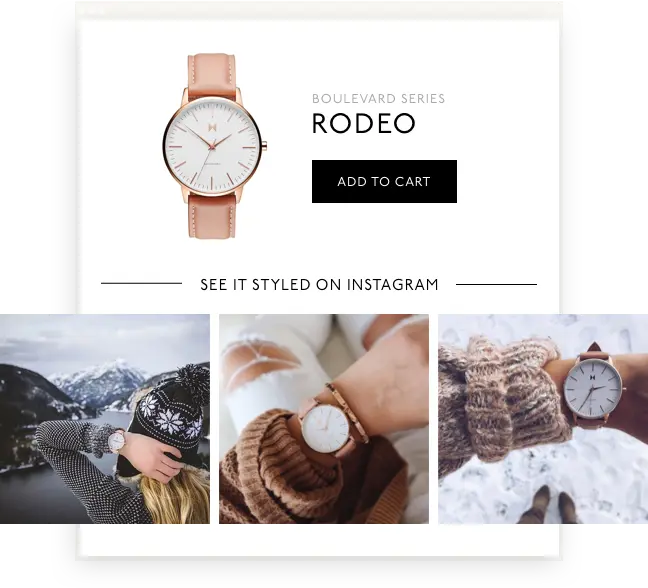
Unlike traditional static ads or blog posts, which require users to click away to landing pages or product pages, shoppable formats streamline the purchasing process, meaning buyers stay where you want them – on your website.. They deliver a more seamless shopping experience by embedding checkout functionality directly into the video content, carousels, or social feeds where customers are already spending time.
Why Brands Are Investing in Shoppable Content
The growth of shoppable formats has exploded as consumer behavior shifts toward instant, mobile-first purchase decisions. Social commerce sales are expected to exceed $1.2 trillion globally in the next few years, driven by TikTok, Instagram, and other social media ecosystems.
For eCommerce teams, the benefits are clear:
- Reduced friction in the shopping journey by keeping users within the commerce flow.
- Real-time engagement with content that inspires immediate action.
- Better attribution data through click-through rates (CTR), conversion rates, and ROAS tracking.
In short, shoppable content helps brands drive conversions faster and with higher precision, making it an essential part of any modern content strategy.
Measuring ROI: Frameworks & KPIs
To measure the ROI of shoppable content, the baseline formula remains simple:
ROI = (Revenue Generated – Cost of Campaign) / Cost of Campaign
But the nuance comes from tracking the right KPIs across multiple touchpoints. Essential metrics include:
- Conversion rates and higher conversion rates compared to static ads.
- Average order value (AOV) to measure upsell or bundle impact.
- Customer acquisition cost (CAC) tied to specific campaigns.
- Engagement rates and click-through rates (CTR) on content.
- Attribution across channels and placements to see which social media formats perform best.
Tools like Shopify Analytics, Google Analytics, Meta Ads Manager, and HubSpot help marketers analyze checkout funnels, track demographics, and connect ROI to specific placements and messaging strategies.
Case Studies: Shoppable ROI in Action
Real-world use cases prove how effective shoppable formats can be when executed well.
- Griffin Thrall Co. leveraged Instagram Shopping and Foursixty’s shoppable galleries to embed authentic UGC strategy directly into their product feed. The result? A 13% lift in conversions and 18% of total revenue directly attributed to shoppable integrations.

- Frankies Bikinis turned their Instagram into a direct sales channel by embedding shoppable UGC across their homepage and product pages. With clear call-to-action (CTA) buttons like “Shop Now,” they drove 23% of online revenue and 19% of orders through Foursixty-powered shoppable content.

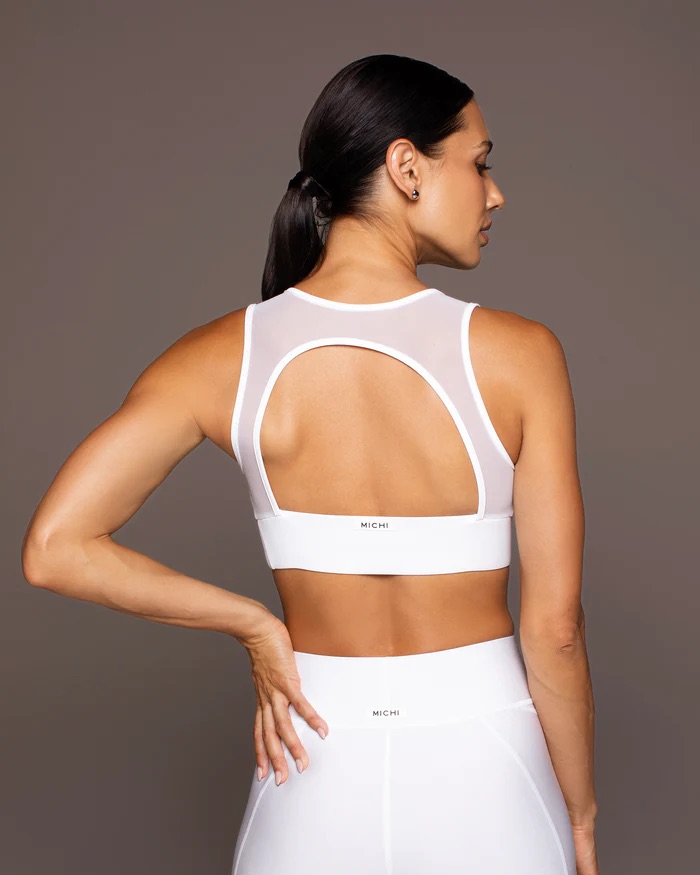
- MICHI, a luxury sportswear brand, implemented one of the most advanced Shoppable Instagram galleries in just four hours using Foursixty. Within 30 days, they achieved an astonishing 51x Shoppable ROI, proving that premium brands can merge high-quality video content, aesthetics, and functionality to deliver measurable results.
- Busy Baby Mat showed the power of shoppable video on Shopify. Customers could click hotspots in a video ad to instantly purchase products. This resulted in a 21% conversion rate and demonstrated how shoppable video formats directly drive sales.

- ECCO optimized their shoppable ads on Google Shopping with a refined product feed — rich with product details, optimized titles, and high-quality images. They saw a 28% boost in conversion rates, a 38% increase in AOV, and a significant drop in CPC.
These examples showcase not just improved performance, but also how shoppable content examples can transform the customer journey from passive viewing to active purchasing.
Challenges in Measuring ROI
Despite the clear benefits, measuring ROI in shoppable campaigns isn’t always straightforward. Marketers face:
- Complex attribution across multiple social media platforms.
- Long sales cycles where the purchasing process extends offline.
- Data silos between advertising and eCommerce platforms that complicate ROI visibility.
This makes it even more important to integrate A/B testing, consistent metrics tracking, and robust reporting across tools. Foursixty has fantastic analytics that will instantly allow you to see reporting and metrics.
Maximizing ROI from Shoppable Content
To get the most out of shoppable content, brands need to align content strategy with user experience. Best practices include:
- Precise audience targeting using demographics and interests.
- Testing placements and creatives through ongoing A/B testing.
- Tailoring messaging and product details by platform — for instance, Shoppable TikTok thrives on short-form video content with influencer partnerships, while Pinterest may favor high-quality imagery.
- Using strong call-to-action (CTA) buttons in reels, carousels, and shoppable posts to streamline checkout.
With partners like Foursixty, brands can help amplify your UGC strategy, ensuring a seamless shopping experience across every touchpoint.
Future of Shoppable Content and ROI Trends
The next wave of shoppable formats will combine AI, AR/VR, and live shopping to create highly interactive buying experiences. Real-time personalization and predictive analytics will allow brands to surface relevant products based on user behavior, while new KPIs like attention metrics and lifetime value (LTV) will supplement traditional conversion rates and AOV.
Platforms like TikTok, Instagram, and Shopify are already evolving their functionality to support shoppable videos, UGC partnerships, and shoppable ads at scale. The future is not just about higher CTRs — it’s about creating measurable, meaningful engagement that directly drives conversions.
Conclusion
Shoppable content has transformed the way brands connect with their target audience, making every piece of video content, UGC, or social post a potential storefront. While measuring ROI requires clear frameworks, thoughtful tracking of KPIs, and transparent reporting, the rewards are undeniable: higher engagement, better attribution, and ultimately, higher conversion rates.
For eCommerce managers and directors, the message is clear: start small, test formats, and invest in platforms like Foursixty that specialize in turning UGC strategy, shoppable posts, and shoppable videos into measurable ROI. Done right, shoppable content doesn’t just drive sales — it transforms your entire customer journey into a seamless, conversion-focused experience.
FAQs
1. What is the ROI of content marketing?
The ROI of content marketing measures the return on investment from strategies like blogs, video content, and social media campaigns compared to the resources spent creating and promoting them. Traditionally, ROI is tied to metrics like traffic growth, lead generation, and engagement. With shoppable content, ROI goes a step further — you’re not only tracking brand awareness but also direct sales impact. Because shoppable posts, reels, and shoppable video ads allow customers to purchase products instantly, they transform content marketing into a revenue-driving machine. For eCommerce brands, this means ROI is no longer theoretical; it’s measurable in terms of conversion rates, AOV, and CTR tied directly to content.
2. What is the ROI of retail sales?
The ROI of retail sales typically refers to the financial return from campaigns that move inventory through physical or digital storefronts. With ecommerce, ROI is increasingly influenced by content strategy and how brands engage customers online before they reach checkout. Shoppable content plays a major role here because it collapses the customer journey, eliminating unnecessary steps between inspiration and purchase. For example, retailers using shoppable UGC galleries or shoppable TikTok ads can track ROI through ROAS and engagement rates, demonstrating how retail investments in shoppable formats directly drive sales both online and in-store.
3. What is the ROI of promotional products?
Promotional products have historically been measured by impressions and brand lift. But in a shoppable content era, ROI can be tied to more tangible key metrics. For instance, when promotional items are embedded into UGC strategy or featured in shoppable videos, they don’t just create awareness — they create clickable paths to checkout. This changes the ROI conversation from “How many people saw this?” to “How many people actually converted through this placement?” Brands that optimize promotional campaigns with shoppable ads and product tags often see significantly higher conversion rates compared to traditional giveaways.
4. How do we measure social media ROI?
Measuring social media ROI involves connecting engagement metrics like likes, shares, and comments with business outcomes such as sales, CTR, and conversions. Historically, this has been challenging due to attribution gaps. Shoppable content solves this by embedding checkout functionality directly into social media platforms like Instagram and TikTok. This makes ROI measurable at the content level. For example, instead of saying “this reel got 10,000 views,” you can now say “this reel with a CTA button and product tags generated $25,000 in sales.” That level of direct attribution elevates the ROI of social campaigns from brand exposure to bottom-line growth.
5. What is the formula for content ROI?
The formula for content ROI is:
ROI = (Revenue Generated – Content Costs) / Content Costs
For shoppable content, the same formula applies, but with more precise attribution thanks to video ads, UGC carousels, and shoppable posts. With these formats, revenue is directly tied to specific placements, making ROI clearer than with traditional content. By tracking KPIs such as conversion rates, AOV, and engagement rates, eCommerce managers can assess whether investments in shoppable Instagram, Shoppable TikTok, or shoppable ads deliver higher conversion rates compared to other formats.
6. How can shoppable content improve ROI for my brand?
Shoppable content improves ROI by transforming every content format into a sales channel. Instead of spending ad dollars purely to raise awareness, you’re investing in formats that streamline the purchasing process and create measurable outcomes. For example:
- UGC galleries increase trust, leading to higher CTRs and stronger conversion rates.
- Shoppable videos provide real-time product demonstrations, boosting AOV and reducing returns.
- Shoppable ads allow you to target the right demographics with precise placements, optimizing ad spend.
Brands using partners like Foursixty often find that shoppable integrations generate higher ROI than static campaigns, because they create a seamless shopping experience from inspiration to checkout.