Customer journey abandonment doesn’t happen at checkout alone. It happens when expectations aren’t met across touchpoints, when messaging breaks between channels, or when friction quietly builds across the entire customer journey.
In 2026, customer user experience is no longer defined by your direct competitors. Customers judge brands against the best experience they’ve had anywhere by providing customer feedback in sometimes silent and elusive ways. When journeys feel disjointed, unclear, or mentally taxing, abandonment shows up as drop-off, lower conversion rates, rising churn, and declining customer loyalty.
Customer journey optimization is how modern brands reduce abandonment across stages, improve retention, and increase customer lifetime value—without relying on constant discounts or escalating acquisition costs.
We asked our CMO, Rashel Hariri to provide feedback on this article.
What Is Customer Journey Optimization?
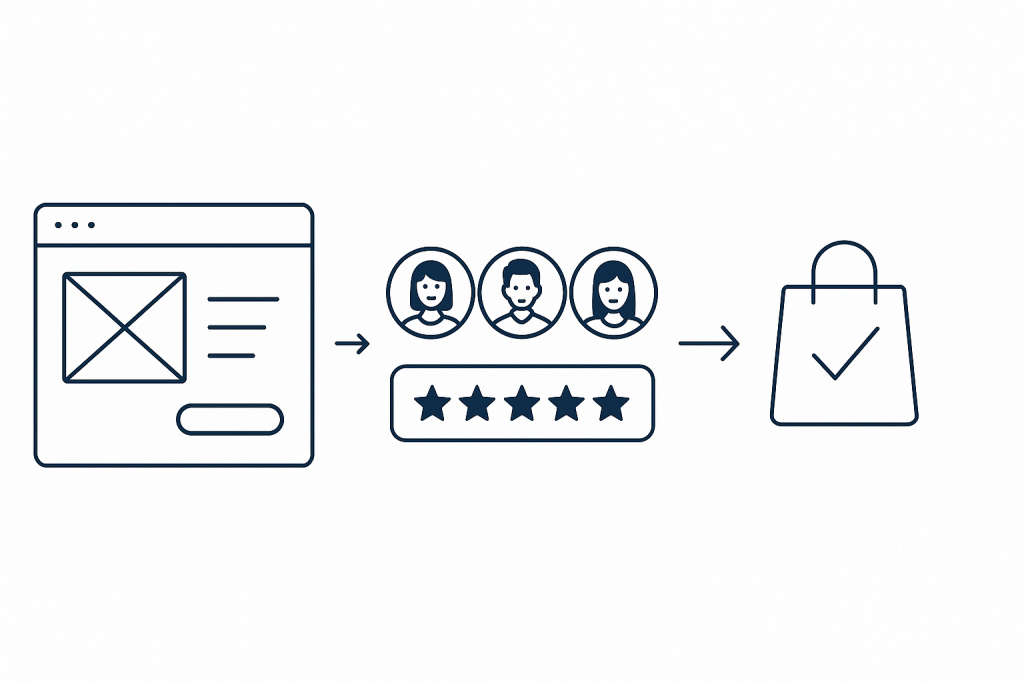
Customer journey optimization is the practice of understanding how customers actually move through your brand experience and improving every step so it feels intuitive, consistent, and aligned with real customer needs.
It goes beyond customer journey mapping. Mapping documents stages; optimization fixes them.
Optimization focuses on:
- Real customer interactions, not idealized funnels
- Friction across customer touchpoints
- Experience gaps caused by silos between teams
- Using real-time data-driven insights to remove hesitation
When done well, an optimized customer journey improves customer satisfaction, strengthens customer engagement, reduces abandonment, and increases long-term retention.
Authoritative source:
McKinsey on journey-led growth
Why Customer Journey Optimization Matters More Than Ever

As Rashel explains:
“Attention is fragmented, switching costs are low, and expectations are set by the best experience someone had anywhere — not just in your category.”
Today’s customers move fluidly across social media, email, paid ads, websites, and post-purchase channels. Poor orchestration across these moments creates confusion and abandonment, even when products are strong.
Brands that invest in customer journey management consistently see:
- Higher conversion rates
- Improved customer retention
- Lower acquisition costs
- Stronger net promoter score (NPS)
Journey optimization is no longer a UX exercise. It’s a growth strategy.
Supporting reference:
Gartner on customer experience differentiation
Key Stages of the Customer Journey (and Where Abandonment Happens)
Understanding the stages of the customer journey helps teams pinpoint where abandonment occurs and where optimization has the highest impact.
Awareness
A potential customer discovers your brand through SEO, paid ads, partnerships, or Shoppable content on platforms like Instagram or TikTok.
Pain points: unclear value, weak differentiation
KPIs: impressions, CTR, engagement
Consideration
Customers evaluate trust and fit by reviewing PDP content, reading reviews, assessing Social proof, and comparing alternatives. Keep in mind their demographics and your core customer base. How do my strategies, reviews and social messaging appeal to them.
Pain points: unanswered questions, lack of validation
KPIs: time on site, Add-to-cart rate
Rashel notes:
“Most drop-off here happens because brands haven’t answered questions fast enough. Clarity always converts better than persuasion.”
Conversion
The decision moment—often associated with shopping cart abandonment, but usually caused by earlier uncertainty.
Pain points: friction, unclear pricing, poor UX
KPIs: checkout completion, stage-level drop-off
Onboarding & Post-Purchase
Where confidence is either reinforced—or regret sets in.
This also includes customer support and Day+1, information
Pain points: silence, confusion, lack of education
KPIs: repeat purchase rate, support tickets
Retention & Advocacy
The difference between a one-time buyer and loyal customers who drive referrals and long-term growth.
Customer Data KPIs: retention, referrals, CLV, NPS
How to Optimize the Customer Journey (Step-by-Step)
Start With the Decision Moment
Rashel’s approach flips traditional funnel thinking:
“I start with the decision moment, not the first touch. The real insights live where people hesitate, compare, or drop off.”
Use Real Behavior, Not Assumptions
Session replay and heatmaps reveal where customer behavior diverges from expectations. Your optimization efforts will be rewarded if you prioritize data over opinions.
Reference:
Nielsen Norman Group on behavioral analytics
Align Messaging Across Touchpoints
Inconsistent messaging across omnichannel experiences erodes trust. Alignment across ads, PDPs, email, and support is essential.
Test, Measure, and Iterate
Use A/B testing, clear KPIs, and continuous feedback loops. Optimization is ongoing—not a one-time effort.
How Shoppable UGC Reduces Customer Journey Abandonment (With Proof)
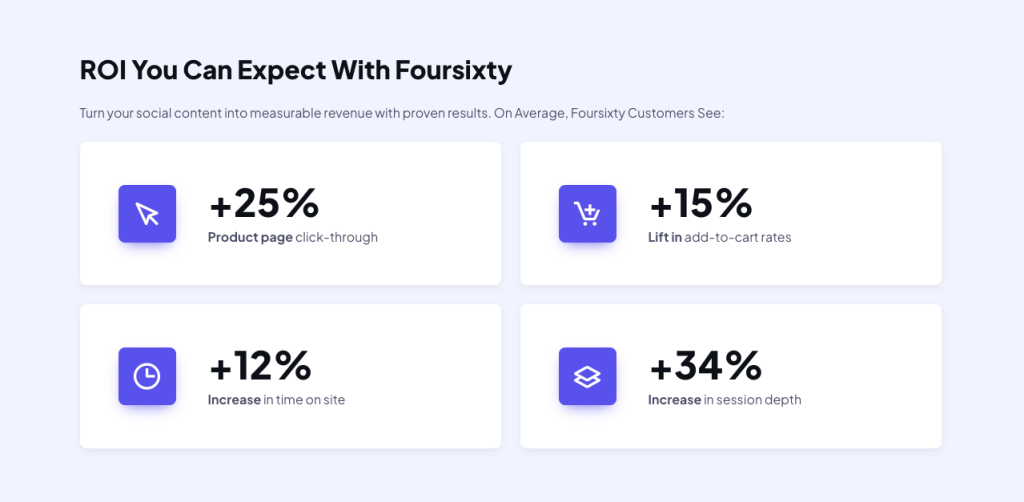
One of the most overlooked causes of customer journey abandonment happens before checkout—during evaluation.
This is where Shoppable UGC becomes a powerful optimization lever.
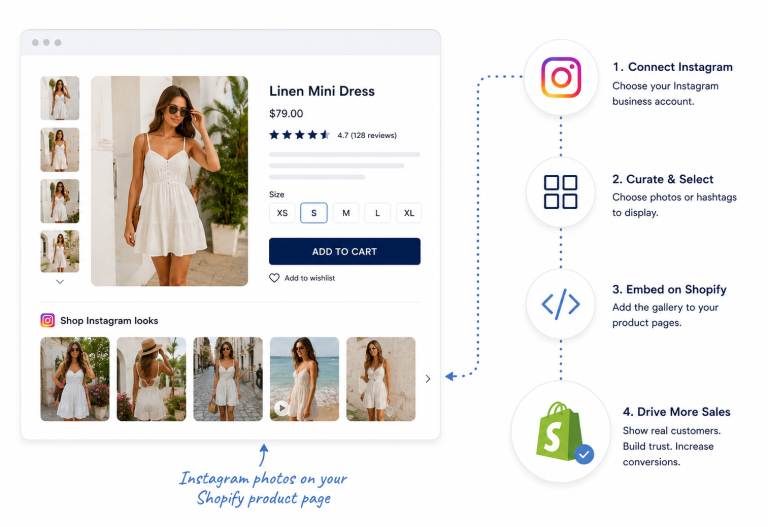
Platforms like Foursixty reduce friction by embedding authentic customer content directly into high-impact touchpoints such as PDPs, category pages, email, and social commerce. Instead of forcing users to imagine the product, UGC answers questions visually and emotionally—at the moment of hesitation.
Proven Results from Brands Using Foursixty
- Pura Vida Bracelets
Increased engagement and conversion by turning Instagram content into shoppable UGC PDP experiences – Results: +18.2% CTR, +73% in PDP page views, -34% bounce rate reduction. - Michi
Improved PDP performance and reduced drop-off through authentic UGC integration – Results: 1000s of weekly increase clicks to PDPs, over quarter of traffic on Michi interact with Foursixty. - Frankies Bikinis
Drove higher Add-to-cart rate and stronger engagement across the journey – Results: Revenue generated by Foursixty grew from 0 to 23%.
Across these brands, the pattern is consistent:
When customers see real people using real products, hesitation drops—and confidence rises.
If customers are abandoning during evaluation, checkout fixes won’t solve the problem.
Tools for Customer Journey Optimization
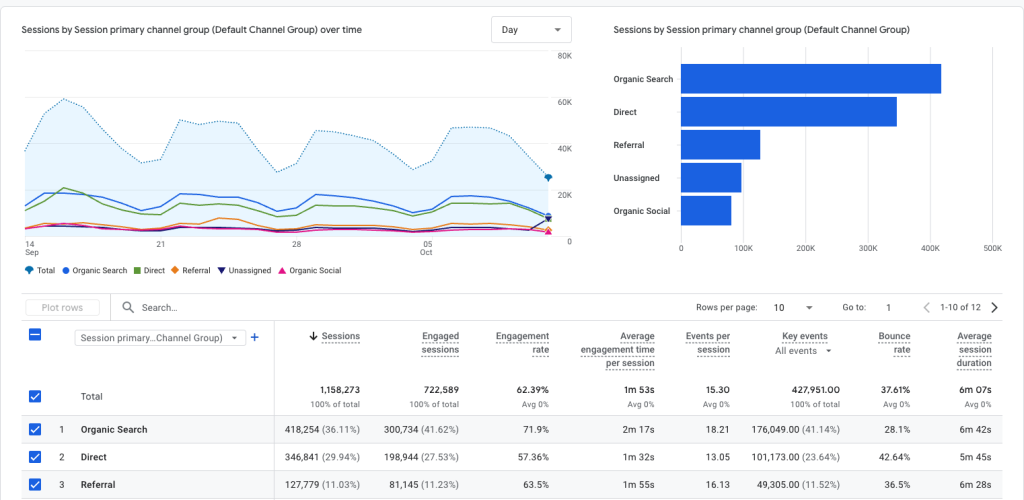
Effective stacks connect behavior across touchpoints:
- Google Analytics or Adobe Analytics – customer journey analytics and funnel analysis
- Lucky Orange / FullStory – behavioral insights
- Klaviyo – lifecycle email, SMS, and automation
- Foursixty – Shoppable UGC, social proof, PDP confidence
- Stamped – reviews and advocacy
- Jasper.ai – AI-powered content and copy
Rashel adds:
“You don’t need more tools. You need the right tools and clear personas / ideal customer profiles (ICP) that tell a clear story and lead to action.”
KPIs / Metrics That Matter Most
To measure success across the entire customer journey, track:
- Conversion rates by stage
- Drop-off points
- Time to conversion
- Customer retention (existing customers are just as important if not more)
- Customer lifetime value
- Net promoter score (NPS)
Ready to Reduce Customer Journey Abandonment?
Customer journey optimization isn’t about doing more—it’s about removing doubt at the moments that matter most.
If you’re seeing:
- High drop-off during consideration
- Strong traffic but weak PDP conversion
- Shopping cart abandonment checkout fixes haven’t solved
…it’s time to optimize before checkout.
Foursixty helps brands turn real customer content into shoppable experiences that increase conversion, improve retention, and reduce abandonment across the entire customer journey.
See how leading brands use Foursixty to optimize their customer journey:
Get started with Foursixty Now!
Frequently Asked Questions
What is customer journey optimisation?
Customer journey optimization is the practice of improving every step of the brand experience so it aligns with real customer needs. It looks at the entire lifecycle—from discovery to post-purchase—and removes friction, clarifies messaging, and strengthens value at each touchpoint. When done well, it increases conversions, improves retention, and reduces abandonment.
What are the 5 A’s of the customer journey?
The 5 A’s describe how people decide:
Awareness, Appeal, Ask, Act, Advocacy.
This framework reflects human psychology rather than internal funnels.
What are the 5 main points of a customer journey?
Awareness, Consideration, Acquisition, Retention, and Loyalty.
These stages help teams identify where drop-offs occur and what to optimize.
What are the 5 E’s of the customer journey?
Entice, Enter, Engage, Exit, Extend.
Rashel explains:
“The best brands don’t design only for the exit. They design for how people feel before, during, and after the purchase.”
What tools are used for customer journey optimization?
Google Analytics, Hotjar, Lucky Orange, Klaviyo, Optimizely, Typeform, and UGC platforms like Foursixty.
How can businesses measure success?
Through higher conversion rates, lower churn, improved retention, stronger NPS, and increased customer lifetime value.
How often should you update a customer journey map?
At least quarterly—or whenever products, pricing, or audiences change.
How much should brands prioritize customer retention?
Retention should be a top priority. It compounds growth, reduces acquisition pressure, and drives profitability.
How do you best handle churn?
Identify behavioral patterns early, segment customers by engagement, and intervene before disengagement.
As Rashel says:
“Behavior shows you friction while you still have time to fix it.”
(Some of these images were generated using ChatGPT.com)