In a digital environment where paid acquisition costs are surging, loyalty programs are the quiet profit centers of eCommerce. A successful loyalty program doesn’t just reward customers; it compounds customer lifetime value (CLV), reduces churn, and transforms one-time buyers into loyal customers who advocate for your brand.
According to Bain & Company, a 5 % increase in retention can lift profits by 25 – 95 %. No wonder leaders like Sephora, Starbucks, and Amazon Prime treat their rewards programs as growth engines. This guide unpacks real-world loyalty program examples, explains the psychology behind them, and shows how brands using Foursixty’s UGC strategy are elevating loyalty through social proof in eCommerce.
What Makes a Great eCommerce Loyalty Program?
A great customer loyalty program establishes both transactional and emotional value. The goal is to recognize, reward, and motivate return visits through points systems, exclusive access, or cause-based identity.
Common program types:
- Points-Based: Customers earn points for each purchase to redeem free products or bonus points.
- Tiered: Multiple tiers (e.g., Insider → VIB → Rouge) create higher-tier aspiration.
- Paid/VIP: Programs like Amazon Prime offer exclusive benefits for a fee.
- Gamified: Challenges, notifications, and mobile app milestones (think Nike Membership) spark engagement.
- Value-Based: Programs such as TOMS Rewards or Patagonia Action Works build loyalty through shared ethics.
Foursixty data insight: shoppers who interact with educational or community content (ingredient explainers, tutorials, UGC galleries) are 40 % more likely to join a loyalty program. Pairing this engagement with personalized bonus-point prompts turns conversion content into a natural retention loop.
Loyalty Program Examples by Type
Points-Based Loyalty Programs
1: Sephora Beauty Insider

Sephora’s Beauty Insider sets the benchmark for points-based loyalty programs. Members earn points on every purchase, unlocking birthday rewards, exclusive products, and member-only experiences. Through its mobile app and social media ecosystem, Sephora merges UGC strategy and influencer visibility—true psychology of selling online that transforms social validation into conversion.
2: Starbucks Rewards
Starbucks Rewards integrates loyalty into daily life. Shoppers collect “Stars” for every transaction via mobile app or card, redeemable for drinks, upgrades, and early access to new menu items. Gamified challenges, referral programs, and personalized offers drive repeat purchases and reinforce brand loyalty through habitual behavior.
Tiered Loyalty Programs
3: Nordstrom – The Nordy Club

Nordstrom’s tiered loyalty program converts spending into status. Each level offers greater perks—from early access to sales to exclusive events—bridging in-store and online experiences through a unified membership program. The result: strong emotional connection and sustained repeat business among high-value shoppers.
4: Sweetgreen Sweetpass

Sweetpass blends subscription and tiered models, offering paid and free versions with exclusive rewards and bonus points. Its mobile-first UX demonstrates UX conversion optimization best practices—frictionless sign-ups, clear value messaging, and dynamic perks delivered via pop-ups and notifications.
Paid / VIP Loyalty Programs
5: Amazon Prime

The archetype of a paid loyalty program, Amazon Prime charges an annual fee in exchange for exclusive benefits—fast shipping, streaming access, and exclusive events like Prime Day. The model taps commitment bias: once members pay, they engage more deeply, generating higher order value and repeat purchases.
6: REI Co-Op

REI’s Co-Op is a value-based loyalty program centered on sustainability. Members pay once for lifetime status, earning annual dividends, exclusive access to gear, and community gatherings. It exemplifies loyalty built on shared purpose, blending emotional connection with tangible rewards.
Gamified Loyalty Programs
7: Nike Membership
Nike Membership merges gamification, fitness tracking, and community. Members complete challenges, unlock exclusive products, and receive tiered rewards. By integrating Reels, Tiktok, and influencer storytelling, Nike keeps loyalty members motivated through ongoing social validation.
8: Duolingo

Though not eCommerce, Duolingo’s gamified reward system demonstrates how points systems and streak mechanics drive user engagement. Similar structures can motivate buyers to complete purchases or share referrals within eCommerce ecosystems.
Value-Based Loyalty Programs
9: Patagonia Action Works

Patagonia’s value-based loyalty rewards activism rather than spend. Customers earn goodwill and social recognition, reinforcing brand loyalty through alignment with environmental causes. It’s proof that values-driven loyalty can outperform pure discounts.
10: TOMS Rewards

TOMS Rewards ties each purchase to social impact. Members earn points redeemable for donations or exclusive benefits, appealing to new customers motivated by purpose. This emotional connection transforms shoppers into advocates.
Analysis: What These Loyalty Programs Do Right

Across industries, winning customer loyalty programs share five fundamentals:
- Personalization: Tailored perks based on browsing or purchase data.
- Omnichannel Access: Cohesive experiences across mobile apps, web, and in-store touchpoints.
- Emotional Engagement: Loyalty built on identity and belonging, not just discounts.
- Transparency: Clear rules for earning points, redemption, and exclusive rewards.
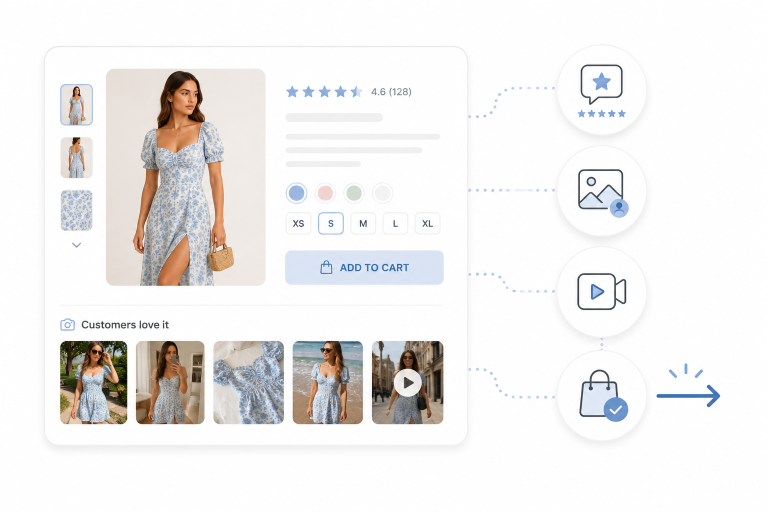
- Integration with Social Proof: Using UGC strategy and Brands that use UGC creators to showcase real customers and reinforce trust.
Data Insight: What Foursixty’s Skincare Clients Reveal About Loyalty Behavior
From Foursixty’s analysis of 3 million on-site interactions across seven skincare and beauty brands, one pattern stands out: loyalty is earned through education and evidence VIA UGC and real customer interactions.
- Engagement depth beats volume: Skincare shoppers click less but linger longer on ingredient details, routines, and UGC—proving that trust precedes transaction.
- Routine-based rewards lift conversion: When brands framed refills as “earn points every reorder,” add-to-cart rates jumped 25 – 30 %.
- UGC doubles dwell time: Authentic before-and-after photos increased session length and return rates within 30 days by nearly 3×.
These behaviors mirror leading programs like Sephora Beauty Insider and Starbucks Rewards, where loyalty success depends on transparent education, social proof in eCommerce, and consistent communication.
How to Choose the Right Loyalty Model for Your Brand
Choosing your loyalty rewards program model depends on margin, frequency, and customer psychology:
- High-frequency, low-margin retailers excel with points-based systems or cashback.
- Premium DTC brands thrive on tiered loyalty programs with exclusive access.
- Mission-driven companies succeed with value-based loyalty that emphasizes purpose.
Mistakes to Avoid When Launching a Loyalty Program
Many customer loyalty programs fail from overcomplexity or neglect:
- Confusing points systems reduce participation.
- Ignoring mobile app usability weakens adoption.
- Neglecting lifecycle marketing—no notifications, pop-ups, or follow-ups—causes churn.
- Relying solely on discounts rather than meaningful exclusive rewards diminishes long-term ROI.
Remember: a loyalty strategy is not “set-and-forget.” Iterate quarterly, audit your KPIs, and treat it like any CRO checklist—test, refine, and personalize.
Tools and Platforms to Build Loyalty Programs
- LoyaltyLion – robust tiered rewards and integrations.
- Smile.io – flexible points-based loyalty and referral tools
- Rise.ai – focuses on gift cards, store credit, and automation.
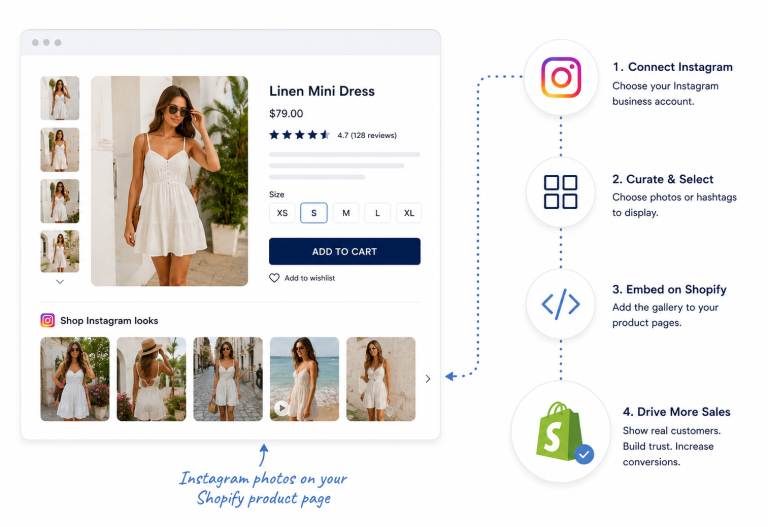
Integrating these with Shopify (linked with your instagram for UGC) and optimizing your PDPs with it can unify loyalty, social proof, and post-purchase advocacy into one retention ecosystem.
FAQs
What is an example of a loyalty program?
Sephora’s Beauty Insider—a points-based loyalty program offering exclusive products and birthday rewards—is among the most successful in retail.
What is the most popular loyalty program?
Amazon Prime dominates globally by pairing a paid membership with unmatched convenience and exclusive benefits, creating deep brand loyalty.
What are some examples of loyalty?
Programs such as Starbucks Rewards, Nordy Club, and Nike Membership merge mobile app experiences with exclusive access and community status.
What is a loyalty program?
A structured rewards system that reward customers for repeat behavior through points, tiers, or exclusive products, designed to increase customer retention.
What are some types of customer loyalty programs?
The main types of loyalty programs include points-based, tiered, paid/VIP, gamified, and value-based, each serving different brand goals.
What company offers the most generous loyalty rewards?
Nordstrom and REI Co-Op stand out for high-value cashback, vouchers, and exclusive events—key elements of a successful customer loyalty program.
What are the key benefits of implementing a loyalty program for eCommerce businesses?
Loyalty programs strengthen customer relationships, raise order value, and generate organic referrals through social media advocacy.
How do successful companies design their loyalty programs?
They apply UX conversion optimization and the psychology of selling online, ensuring that every interaction—from checkout to notifications—builds trust and emotional resonance.
Conclusion: Loyalty Is the New Conversion
In 2025, customer loyalty programs aren’t optional—they’re an eCommerce growth channel. The most successful loyalty programs merge human psychology, data, and design. They reward not just spending but belief.
The next generation of retention is powered by UGC strategy, social proof, and continuous optimization. For eCommerce managers using Foursixty, the roadmap is clear: combine authentic product content, frictionless UX, and meaningful perks. Loyalty isn’t a promotion—it’s a product you refine every day.