92 % of consumers trust user-generated content (UGC) more than branded imagery — a stat that should make every eCommerce manager pause.
Despite massive ad spend and sophisticated UX design, most online stores still suffer from low trust and high cart abandonment.
That’s because shoppers don’t just buy products; they buy validation. They look for real people, real reviews, and visible proof of satisfaction before clicking “Add to Cart.”
This article explores how to use social proof for eCommerce brands to drive measurable growth — from boosting your product page conversion rate and add-to-cart rate, to building a self-sustaining content engine that turns happy customers into your most persuasive sales team.
What Is Social Proof in eCommerce?
Social proof is a psychological phenomenon identified by Robert Cialdini: when people are uncertain, they look to the actions of others to decide what’s right.
In digital sales, this means seeing online reviews, star ratings, customer testimonials or creator endorsements helps potential customers feel safer and more confident.
In physical retail, a full store signals popularity. Online, it’s the presence of reviews, UGC, and shoppable content that builds trust.
That’s why social proof matters more in DTC and digital marketing — it’s a cornerstone of the psychology of selling online and UX conversion optimization for modern eCommerce businesses.
7 Types of Social Proof That Influence Online Shoppers
Here are the types of social proof that work best across eCommerce sites, especially for brands planning a cro checklist or refining PDP optimization:
1. Customer Reviews and Ratings
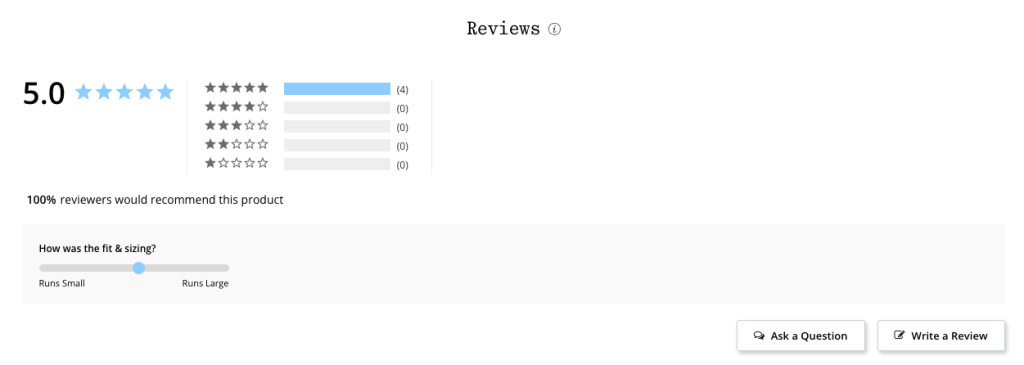
Still the most familiar social proof marketing tactic, positive reviews and star ratings give visitors assurance that real people are satisfied. Even negative reviews, when addressed well, build transparency.
Use this on product pages to influence the buying decision and communicate trust.
2. User-Generated Content (UGC)
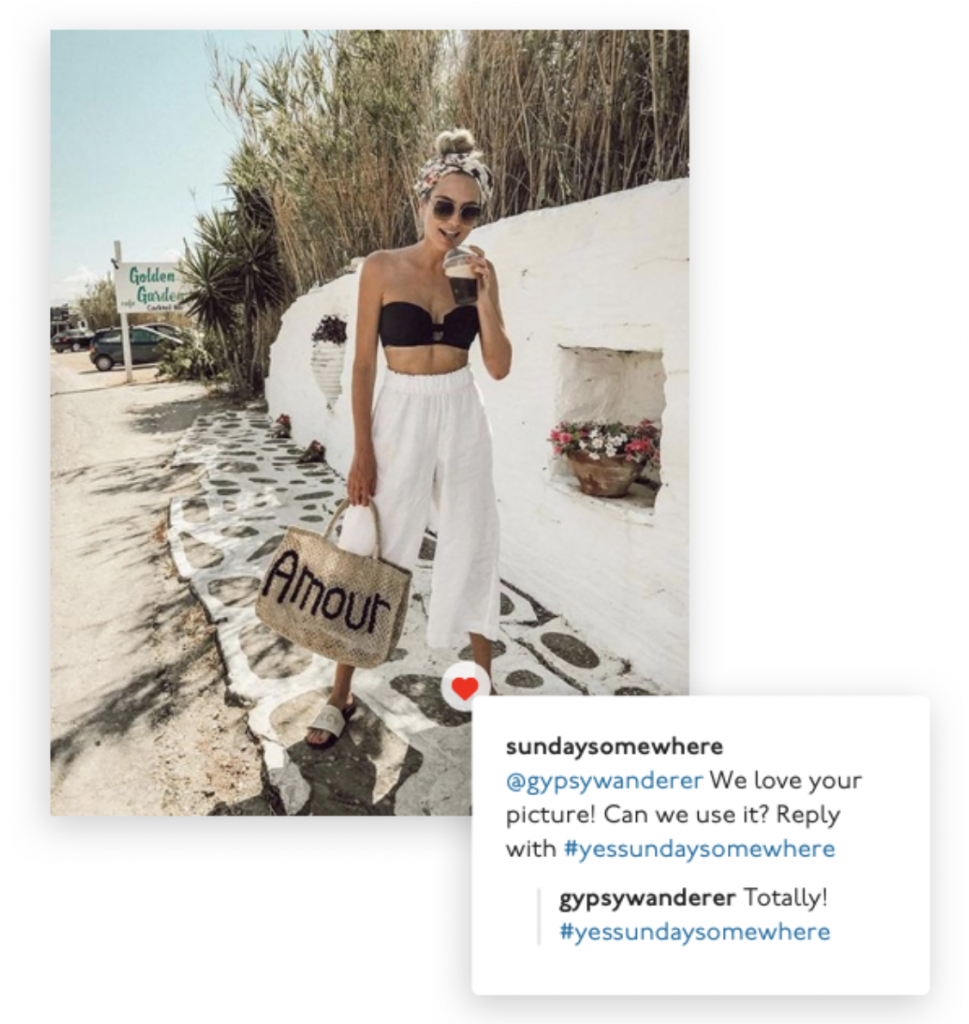
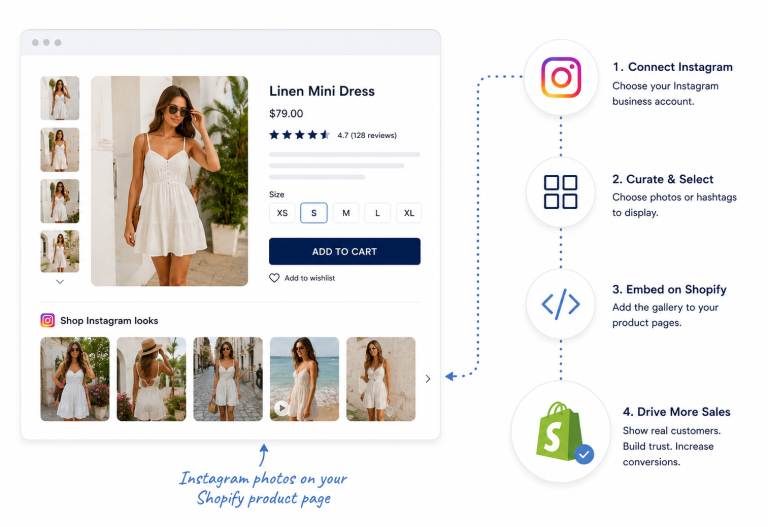
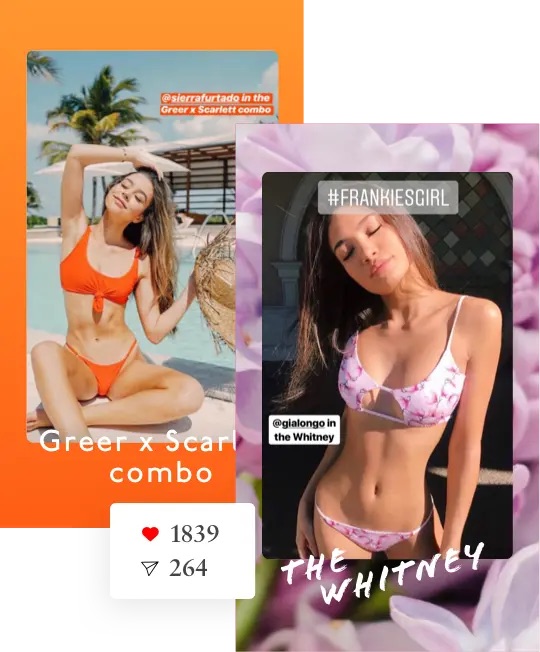
Knowing how to use user generated content effectively is the modern marketer’s superpower. UGC galleries, carousels, and Shopify linking to Instagram grids turn social inspiration into shoppable moments.
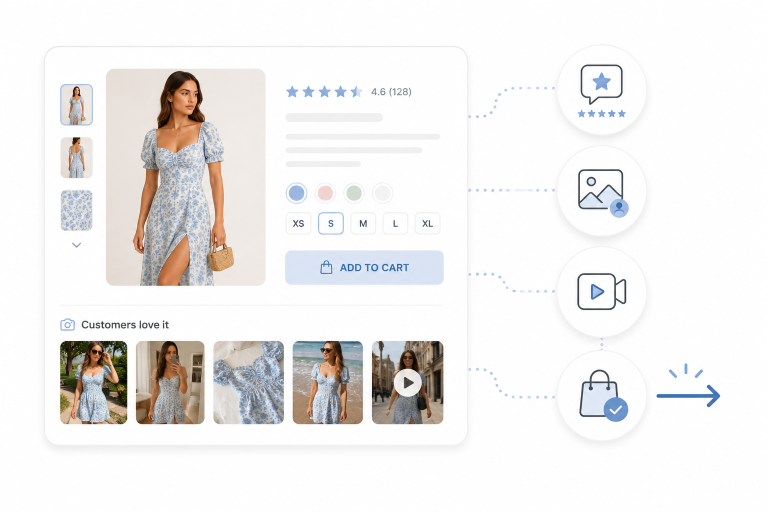
Brands that use UGC creators (e.g., lifestyle influencers who share real product use) often see higher add-to-cart rate and product page conversion rate because consumers trust visuals from real people.
3. Influencer & Creator Endorsements
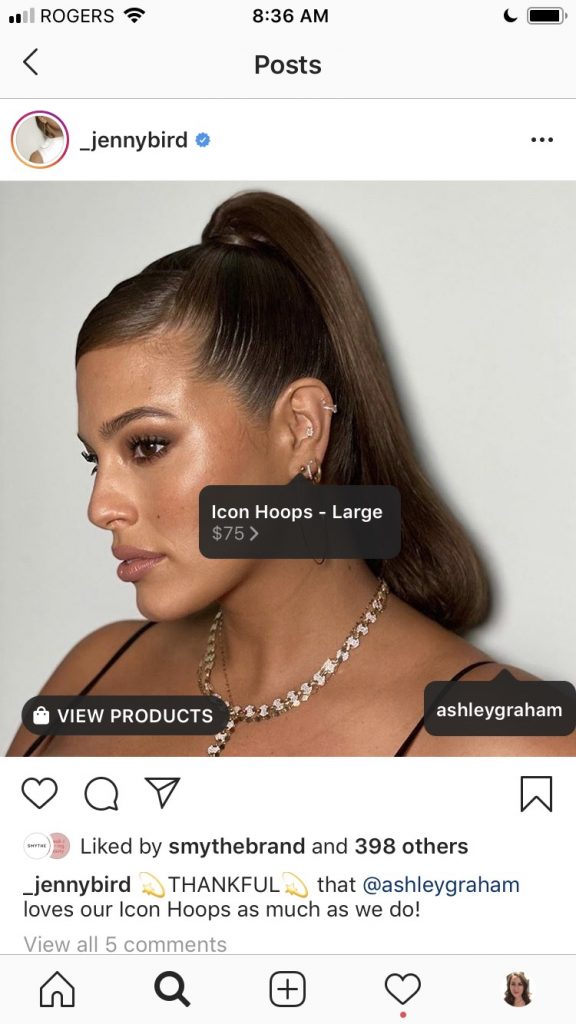
“Influencer marketing” and creator Reels, TikTok videos or Shoppable content example posts provide scalable visual conversion content that bridges aspiration and authenticity. When a micro-influencer shares your brand as part of their lifestyle, it becomes word-of-mouth at scale.
4. Trust Badges and Certifications
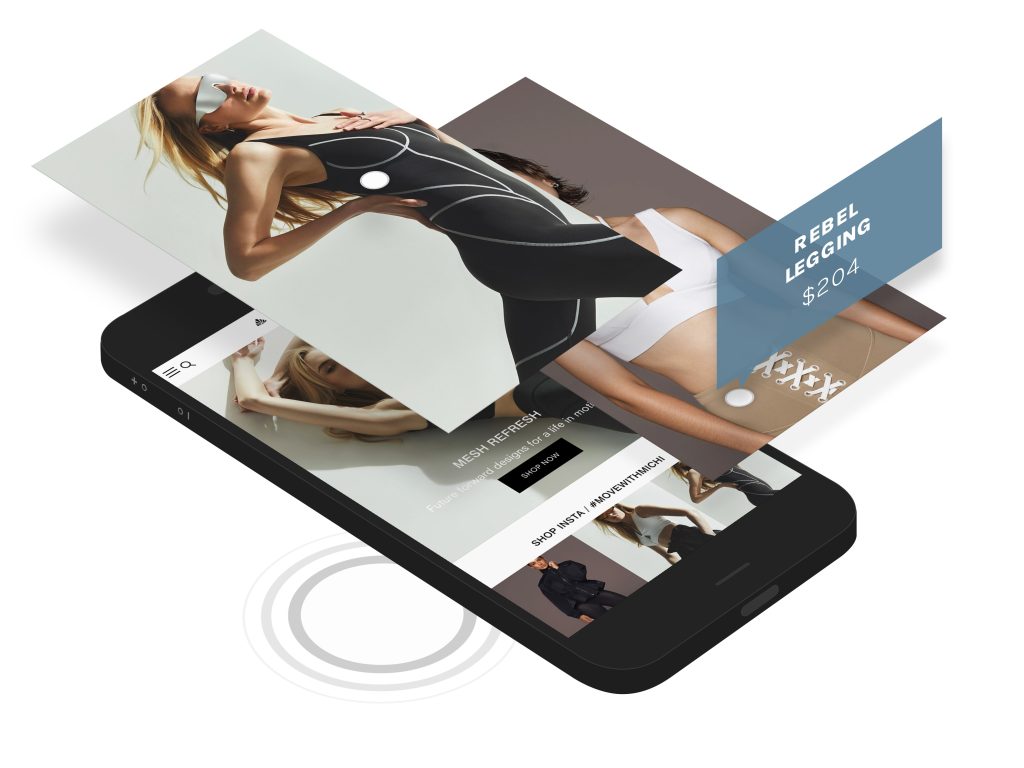
Displaying certifications, secure-checkout symbols, and industry awards on product and checkout pages eliminates risk perception and helps with checkout step friction.
5. Real-Time Activity Notifications
Examples like “x people bought this 10 minutes ago” trigger FOMO (fear of missing out) and nudge indecisive shoppers. These live signals tap into social proof to boost conversions.
6. Media Mentions & PR

Being featured in big outlets or case studies adds institutional credibility. Show logos of trusted media on your homepage to build brand authority among new visitors.
7. Expert Endorsements or Awards
From dermatologists approving skincare to stylists endorsing apparel: these add third-party validators that support more considered purchases.
Integration and ROI of Social proofing at scale
Here’s a quick breakdown of where to place social proof throughout your funnel:
- Home page: Build brand authority with UGC galleries, press logos, best-seller sections.
- Product pages (PDPs): Use UGC, reviews, carousel of real customers, ai in pdps for personalization, and strong PDP content above the fold.
- Checkout page: Show trust badges, pricing, guarantees, “real customers” snippets — reducing abandonment.
- Post-purchase: Automate referral proof, collect reviews and encourage social tagging (part of your loyalty program examples) to fuel a flywheel of fresh UGC.
Pro-tip: You can A/B test these experiences as features across your website or even building unique landing pages. Also, consider displaying varying examples of social proof like celebrity endorsements or aggregated reviews.
ROI of social proofing at Scale
At Foursixty, we analyzed based on anonymized data from 83 women’s apparel brands and over 150 million shopper events, Foursixty analyzed how shoppers interact online.
- Average store: 35K+ shopper interactions per month
- Top 10%: 700K+ monthly events
- Bottom 25%: fewer than 2K per month
The takeaway: visual-first brands dominate. Top performers refresh their UGC or lookbooks every 7–10 days, creating momentum through new shoppable content examples.
Behavior Breakdown
- 50% Visual Discovery → image clicks, UGC carousels
- 25% Exploration → collections, filters
- 15% Information Seeking → size, materials, details
- 10% Conversion Intent → add-to-cart or checkout
This means shoppers interact with visual content 4–5× more often than they start checkout. PDP optimization with UGC integration is directly tied to add-to-cart rate and product page conversion rate improvements.
Foursixty’s shoppable galleries let brands like LSKD and Oh Polly turn UGC into instant social shopping paths — closing the loop between Instagram monetization and store revenue.
Want to get these types of engagement rates?
How to harness the power of social proof with Foursixty:
Here are real product reviews from Foursixty’s clients:
Case Study: Frankie’s Bikinis

A swimwear brand deeply rooted in Instagram marketing, Frankie’s Bikinis used Foursixty for shoppable UGC across their site. The founder placed top-performing UGC in key locations to boost performance. Result: 19 % of total orders and over 23 % of online revenue were driven by Foursixty.
Case Study: MICHI
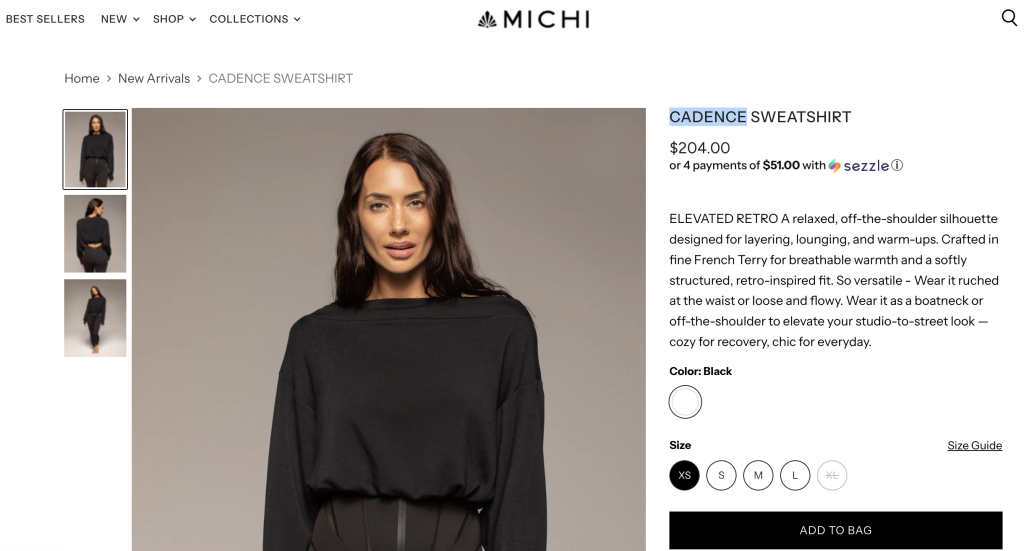
A fashion brand that wanted advanced UGC integration. After switching to Foursixty, they achieved a 51× ROI in the first 30 days — a massive increase compared to their previous platform.
Case Study: Pura Vida Bracelets
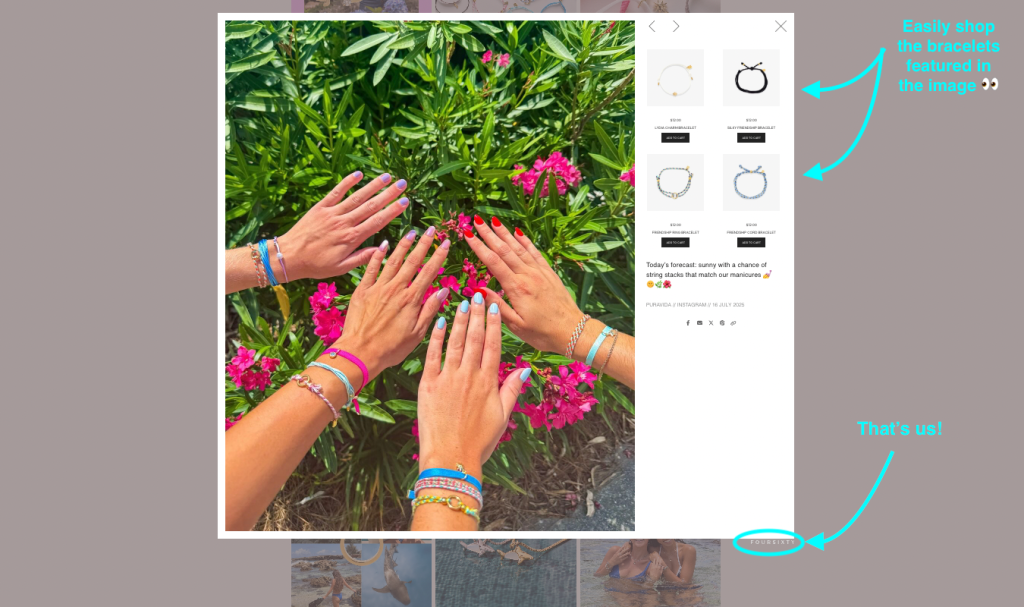
Though their Instagram channel drove engagement, they lacked measurement and a direct path to purchase. They used Foursixty to display shoppable galleries with both brand and UGC across their site.
Takeaway: These brands show how integrating UGC and social proof across your funnel not only builds trust, but actually drives measurable lift in product page conversion rate, add-to-cart rate, and revenue from shoppable content.
Tools and Platforms to Automate Social Proof at Scale
Here are tools that help scale social proof strategies:
- Foursixty — Connects Instagram, TikTok, UGC into shoppable galleries on your site.
- Yotpo / Okendo — Review collection and display.
- Klaviyo — Automates post-purchase review requests and UGC collection (good for loyalty program examples).
- Additional tools: Stamped, Loox, Trustpilot — help with structured review data and UX conversion optimization insights.
By combining these tools, you create a CRO checklist that automates social proof across every stage of your funnel.
Common Pitfalls (and How to Avoid Them)
- Fake reviews or manipulated proof: Use verified-purchase labels, segment reviews, and moderate content.
- Social proof fatigue: Too many badges, popups or notifications can overwhelm and reduce trust rather than build it.
- Lack of freshness in content: UGC becomes stale — rotating new content every 7-10 days helps maintain engagement (data from Foursixty women’s apparel study shows this).
- Mismatch between content and audience: If UGC or influencer posts don’t align with your target audience, you’ll lose crediblity and relevance.
Final Tips: Building an Ongoing Social Proof Flywheel
- Encourage UGC post-purchase: prompt for photos, social tags, hashtags.
- Use social listening to identify high-engagement users and reshare their content (contributes to Instagram monetization, TikTok taps).
- Combine social proof with personalization (e.g., dynamic UGC by customer segment or past purchase behaviour).
- Refresh galleries regularly, integrate into PDPs, collection pages, email campaigns and even your loyalty program examples for long-term momentum.
Over time, your brand’s social proof engine becomes self-sustaining—each new customer contributes content that builds the next wave of trust and conversion.
Conclusion: Build Trust on Social Media, Then Conversions Follow
Social proof isn’t just a conversion tactic — it’s a strategic lever. When executed well, it becomes a part of your brand DNA: real customers, real stories, real purchases.
For brands looking to boost conversions, drive shoppable content, and intergrate their Shopify store to Instagram, Foursixty offers a proven solution.
Ready to turn your customer photos into conversions?
FAQs
What is the role of social proof in eCommerce?
It increases trust and drives conversions by showing potential customers how others behave — via reviews, UGC, or endorsements.
What is social proof in marketing?
Any public validation (reviews, social posts, testimonials) that demonstrates popularity or satisfaction with a product or brand.
How does social proof influence online purchasing decisions?
By reducing uncertainty. Shoppers see evidence of others’ approval and feel more confident completing their purchase.
Which type of social proof is most effective in eCommerce?
Visual and interactive UGC—especially shoppable Instagram or TikTok content embedded in PDPs. Amazon is a good example of this, with tons of review (video and written) and very detailed highly prioritized star system.
How can social proof increase conversion rates in an eCommerce store?
By integrating authentic photos and testimonials into the funnel, you improve both product page conversion rate and add-to-cart rate, as well as trust during checkout.
What’s a real-world social proof example?
A Foursixty-powered PDP showing a real customer wearing a product with a “Shop the Look” link — a classic shoppable content example.
What are the different types of social proof?
The main types include:
- Customer Reviews and Ratings – Direct feedback from verified buyers.
- User-Generated Content (UGC) – Photos, videos, or Reels shared by real customers.
- Influencer & Creator Endorsements – Credibility through trusted public figures.
- Trust Badges and Certifications – Third-party assurance such as secure payments or sustainability labels.
- Media Mentions & PR – Validation from respected publications or awards.
- Real-Time Activity Notifications – FOMO-driven popups showing recent purchases or product interest.
- Expert Endorsements – Professionals vouching for quality or results.
Each serves a unique purpose: some build emotional trust (UGC), others logical confidence (certifications or expert reviews). Smart brands use a mix to cover the full customer journey.