People don’t buy the best products — they buy what feels right. They buy with emotion and justify with logic. And if your product detail pages (PDPs), emails, and shoppable content aren’t designed for that, you’re leaving serious revenue on the table.
As Robert Cialdini wrote in Influence: The Psychology of Persuasion, “We will use the actions of others to decide on proper behavior for ourselves.” The psychology of selling in eCommerce is about understanding those behaviors — why potential customers make buying decisions, and what truly motivates them to act.
Many sales professionals and eCommerce teams still focus only on performance marketing: budgets, channels, and traffic. But without behavioral design — scarcity, reciprocity, social proof, authority — even the best ads fall flat once shoppers hit your PDPs.
This guide unpacks how top-performing brands (including Foursixty clients) are applying the psychology of selling online — using real-world behavioral principles, user-generated content (UGC), and CRO strategies to boost product page conversion rates, build trust, and drive repeat customers.

We’ve also brought in Psychotherapist Zainib Abdullah from Wellnest, to provide feedback on some of the principles outlined in this article.
What Is Sales Psychology? (And Why It Matters for eCommerce)

Sales psychology is the application of psychological principles to influence buying decisions online — ethically. It combines emotional design, UX research, and decision-making science to guide shoppers through the sales funnel.
Cialdini’s Principles of Influence outline core triggers like social proof, authority, reciprocity, and scarcity — while Stanford researcher B.J. Fogg’s Behavior Model emphasizes that “No behavior happens without a prompt.” Meanwhile, Daniel Kahneman’s System 1 and System 2 theory from Thinking, Fast and Slow explains that most purchasing decisions happen emotionally and subconsciously — not rationally.
In eCommerce, this translates into designing PDPs and checkout flows that speak to both brain systems:
- System 1 (fast & emotional): imagery, social proof in eCommerce, and urgency messaging.
- System 2 (slow & rational): pricing transparency, reviews, and risk-reduction (money-back guarantees).
Where this shows up most:
- Product Pages: PDP content, reviews, and influencer validation (UGC strategy).
- Cart & Checkout: trust badges, payment flexibility, and reciprocity incentives.
- Post-Purchase: loyalty program examples and testimonials reinforcing brand authority.
Understanding the psychology of selling online helps entrepreneurs, eCommerce managers, and small businesses convert potential customers into loyal ones — step by step.
7 Psychological Principles Every eCommerce Manager Should Be Using
1. Social Proof
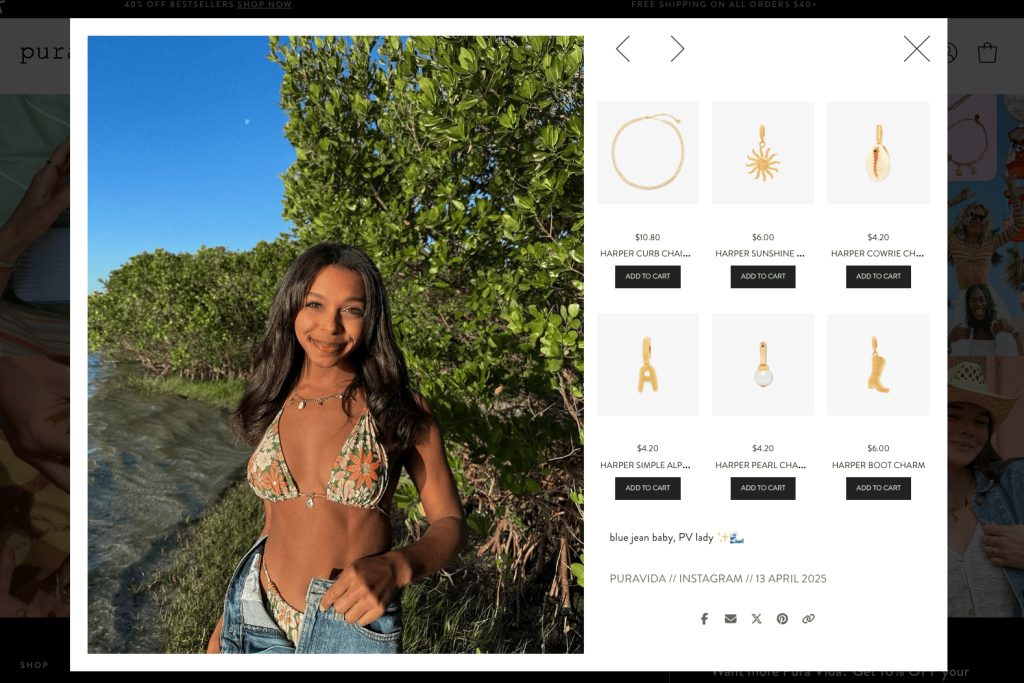
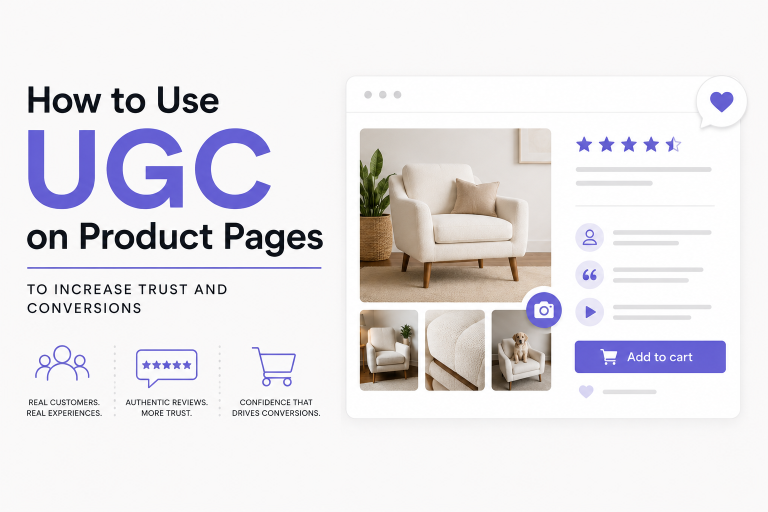
Cialdini’s first principle of persuasion — social proof — is simple: people follow others’ actions when uncertain. In eCommerce, that means reviews, testimonials, and user-generated content (UGC) are your most powerful conversion levers.
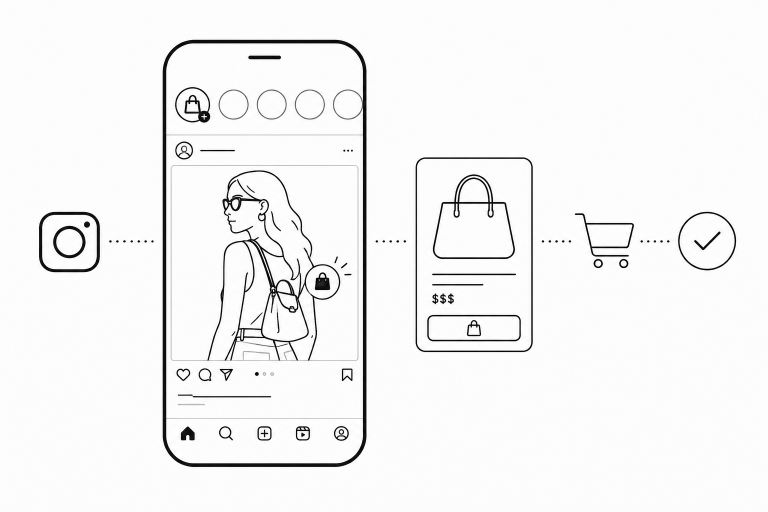
Brands that use UGC creators through Foursixty transform Instagram Reels, TikTok videos, and creator galleries into shoppable content examples that humanize products. Shoppers see real people wearing, using, or styling products, which reduces friction and builds trust instantly.
According Foursixty’s platform data, brands that embed verified UGC and testimonials into their PDP Optimization flow see up to a 14% increase in conversion rate and a significant bump in repeat visitors. It’s proof that authentic validation drives confidence and clicks — far more than polished ads ever could.
Here’s what Zainib said on this:
Our nervous systems are relational, which means we feel safest when we are co-regulated and in the presence of other human beings. It’s essential for our survival. This also connects to the idea of social proof: we make decisions based on connection and the emotions we feel when we witness others.When we see another person speak about a product that has genuinely shifted how they feel, our mirror neurons activate. We begin to feel what they’re feeling. Their emotional experience becomes alive in our own bodies, which naturally helps us form a deeper connection to the product itself.
2. Scarcity & Urgency
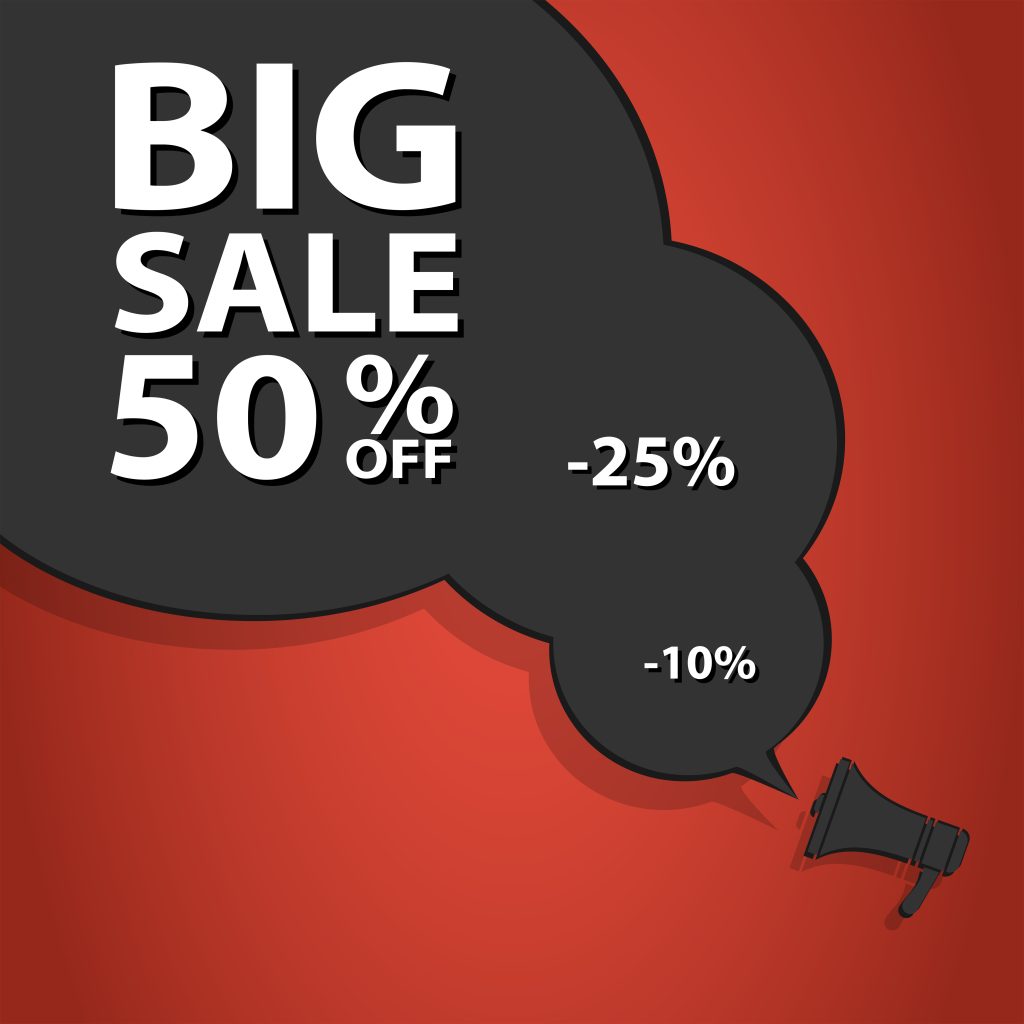
Scarcity is manipulation AND that can be used as motivation. Cialdini found that people “assign more value to opportunities that are less available.” Ethical scarcity — like “Only 3 left in stock” or “Offer ends tonight” — creates a sense of urgency that activates immediate purchasing behavior.
When paired with UGC or influencer validation, it becomes even more powerful. Limited-time offers on Reels or Instagram stories (linked directly to Shopify using Foursixty’s shoppable content tools) often outperform static email CTAs because they mix emotion (social proof) with time pressure.
But remember: fake urgency destroys trust. Always base countdowns or limited quantities on real inventory or launch cycles.
Here’s how Zainib frames it:
Scarcity creates a sense of motivation because it activates the nervous system into a state of false urgency. For some people, this urgency can trigger the emotional centres of the brain, increasing stress and temporarily suppressing the executive functions that help us slow down, think clearly, and make intentional choices. This can lead to impulsive buying for certain nervous systems.
3. Loss Aversion

As Kahneman and Tversky discovered, “losses loom larger than gains.” That’s why “Don’t miss out” copy works better than “Save now.” Framing offers as what customers lose by not acting — early access, free sample, or bonus points — is one of the simplest CRO strategies to increase sales.
For eCommerce brands, loss aversion works especially well in post-purchase follow-ups and cart recovery emails. Remind customers of the value they’ll lose — “Your items are still in your cart. Grab them now to keep your exclusive discount.”
Top-performing PDPs use this to reinforce trust at the exact moment of hesitation, improving both add-to-cart rate and product page conversion rate.
Zainib’s perspective is very interesting:
People at their core are wired to avoid pain. Our nervous systems are not designed to keep us happy; they are designed to keep us alive. When we are confronted with the possibility of negative emotions, our biology pushes us to avoid them. This includes the feelings associated with loss. Humans will often go to great lengths to suppress or prevent the sensations of grief, disappointment, or missing out.
This extends even to something as simple as marketing. When a product is framed as something we might lose or miss out on, our nervous system anticipates that small but uncomfortable feeling of loss. That imagined pain is often enough to drive behaviour, including the decision to purchase, because avoiding loss feels safer than risking it.
4. Anchoring
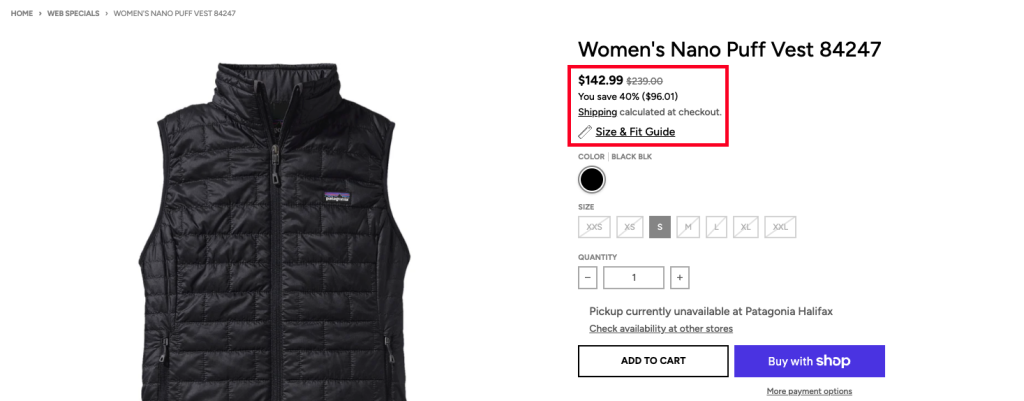
Anchoring is the cognitive bias where the first number seen influences the rest. In practice: “Was $59 → Now $39.” Anchoring guides shoppers toward the middle or premium option — the perceived “smart” choice.
Baymard Institute’s UX research shows that clear comparative pricing can reduce decision hesitation. On PDPs, anchoring works best with simple visual hierarchy, clear CTAs, and consistent UX design.
Anchoring also improves user experience when paired with trust signals — showing guarantees, warranties, or limited-time bundles creates an emotional justification for value.
5. Reciprocity

Reciprocity is the cornerstone of brand loyalty. Cialdini defines it as a universal principle: “We feel obliged to return favors.”
In eCommerce, that means offering value before the sale — a skincare routine guide, a loyalty rewards email, or access to exclusive products. Brands that give first — with free shipping, surprise perks, or high-value PDP content — often see higher engagement and conversion downstream.
Fogg’s research from Stanford’s Behavior Design Lab shows that even “tiny” actions create lasting habits. Offering a free sample or a short UGC video tutorial triggers micro-conversions that later influence larger buying decisions.
6. Authority

Trust is transferable. Authority builds when brands align with credible voices — industry experts, press features, verified creators, or Shopify Plus partnerships.
Displaying media mentions (“As Seen in Vogue”), verified creator UGC, or customer reviews builds brand credibility fast. In one Foursixty case study, a mid-tier fashion brand integrating UGC and verified influencer content into PDPs saw a 1.8× lift in product page engagement and higher dwell times — driven by perceived authority and authenticity.
The takeaway: credibility sells. It’s not about shouting; it’s about showing you’re trusted by those your customers already admire.
Here’s what Zainib’s take on this was:
Of course this goes back to our relational experience and how our systems are built. The more we trust someone and feel safe with them, the more likely our nervous system is to move toward what they recommend.
7. Cognitive Ease (Fluency)
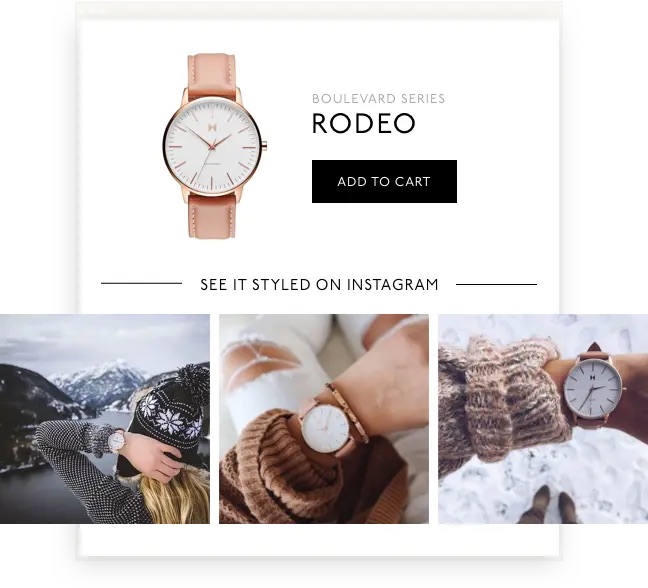
Kahneman calls cognitive ease “the comfort of truth.” When your website is simple to navigate, fast to load, and visually clean, shoppers subconsciously feel safer.
In eCommerce UX, this means minimizing friction — fast checkout, mobile-first layouts, and consistent CTA buttons. According to CXL Institute’s CRO testing framework, simpler landing pages convert better because “fewer decisions lead to faster action” (CXL Institute).
Think of your PDP optimization like storytelling: every click should feel natural, not effortful.
Real-World Examples of Psychology in Action (Foursixty propietary data)
Home & Furniture – Deliberate Buyers, High Intent
From Foursixty’s anonymized dataset of 17 retailers and 12 million+ shopper interactions, home décor and furniture buyers show highly intentional browsing.
Engagement skews towards:
- Exploration (35%),
- Visual discovery (30%),
- Information-seeking (20%)
- Conversion intent (15%).
These shoppers click less but think more — evaluating specs, dimensions, and reviews before purchase. When brands combine inspiration-led visuals (room scenes, UGC galleries) with utility-driven tools (AR previews, size filters), dwell time increases up to 40%.
The psychology? These shoppers rely heavily on System 2 thinking — rational, detail-oriented validation. PDP content that balances visual appeal with clarity converts them best.
Fashion & Accessories – Emotional Momentum
Fashion shoppers behave differently. According to Foursixty’s analysis, apparel and accessories brands that refresh UGC weekly (Reels, creator carousels, and shoppable content examples) saw up to +18% increase in add-to-cart rate.
This audience is System 1-driven — emotional, fast, and visual. Social proof and UGC act as trust accelerators, transforming browsing into buying. The blend of visual authority, scarcity messaging, and relatable content helps brands build trust and boost conversion faster than any discount code.
How to Audit Your Store for Sales Psychology Opportunities
A quick CRO checklist for eCommerce managers:
- Social Proof in eCommerce: Display reviews, UGC, and influencer content prominently on product pages.
- Reciprocity Hooks: Offer free resources, loyalty perks, or a “first-order” bonus.
- Anchoring: Use clear pricing comparisons and bundles.
- Authority Signals: Feature expert quotes or Shopify Plus logos.
- Cognitive Ease: Streamline your checkout process for mobile devices.
- Post-Purchase Reinforcement: Loyalty rewards and testimonials sustain the relationship.
Use UX conversion optimization tools like Hotjar (heatmaps), Foursixty (UGC strategy), and Klaviyo (reciprocity workflows). Together, these reveal where customers hesitate and how small adjustments to UX and copywriting can increase conversions.
Mistakes to Avoid
- Overusing fake urgency or pop-ups — it erodes credibility.
- Overdesigning: UX clutter hurts clarity and user flow.
- Copying “sales strategies” from other industries without testing — always A/B test.
- Ignoring segmentation and personas — one message won’t fit all customer needs.
- Neglecting mobile-first layouts — 70% of online store sessions come from mobile users.
Great UX and conversion rate optimization come from empathy, not gimmicks. Influence, don’t manipulate.
Conclusion: Think Like Your Buyer — Influence, Don’t Manipulate
As Cialdini reminds us, “People simply like to have reasons for what they do.” The best salespeople and eCommerce professionals understand that persuasion isn’t trickery — it’s alignment.
When your PDP optimization, loyalty program examples, and social proof work together, you meet customers where emotion and logic intersect.
Ready to stop leaving revenue on the table? Book a demo with Foursixty today and see how shoppable UGC can transform your PDP from a static page into a conversion engine.
FAQs
1. What is the 70/30 rule in sales?
Spend 70% of your time listening and only 30% talking. In eCommerce, that means focusing 70% of your PDPs on customer reviews, testimonials, and UGC — and 30% on your brand voice. It’s about letting customers validate your message.
2. What are the 4 psychological phases of sales?
Awareness → Evaluation → Commitment → Assurance. Map your content and UGC to each stage. For instance, awareness is driven by Reels and influencer content, while assurance relies on money-back guarantees and loyalty rewards.
3. What is the psychology behind selling?
It’s how emotional and rational triggers guide decision-making. Scarcity, reciprocity, and social proof influence subconscious buying behavior, while authority and cognitive ease help shoppers justify the purchase.
4. What type of person thrives in sales?
Successful salespeople are curious and empathetic — they use data and psychology equally. In eCommerce, this means testing CRO strategies, analyzing heatmaps, and learning from user feedback loops.
5. What are the 4 C’s in sales?
Clarity, Credibility, Consistency, and Conversation. Each builds trust across your sales funnel — from PDP optimization to checkout process.
6. How can understanding consumer psychology improve online sales?
By aligning UX design and copywriting with actual human behavior. Use A/B testing and CRO checklists to identify where potential customers hesitate, and match their emotional needs with reassurance and value.
7. How do psychological principles influence online purchasing decisions?
Social proof in eCommerce and scarcity messaging create urgency. Reciprocity and authority build trust. Together, they shorten the decision-making process and increase sales conversion rates.
8. How can psychological principles be used to increase online sales?
Combine emotional levers (like UGC, scarcity, and testimonials) with rational ones (pricing clarity, product information, and mobile usability). Brands that balance both drive higher add-to-cart rates and better customer retention.
9. How do you understand the target audience besides market research?
Analyze behavior directly — GA4 event data, Hotjar session recordings, and Foursixty’s UGC engagement reports. These reveal real pain points and emotional motivators beyond surveys or personas.