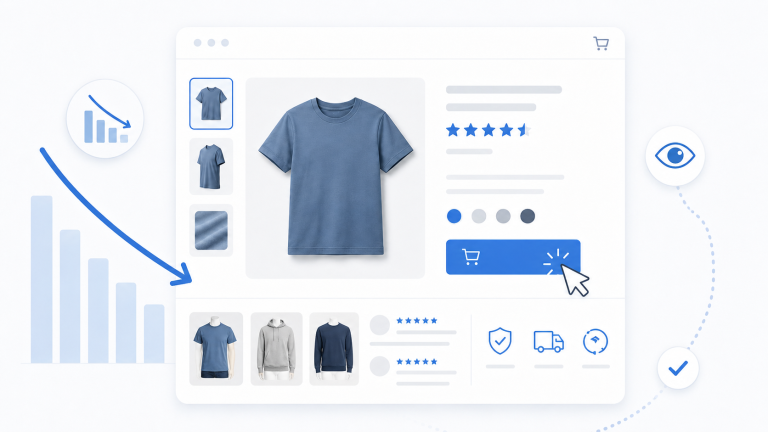
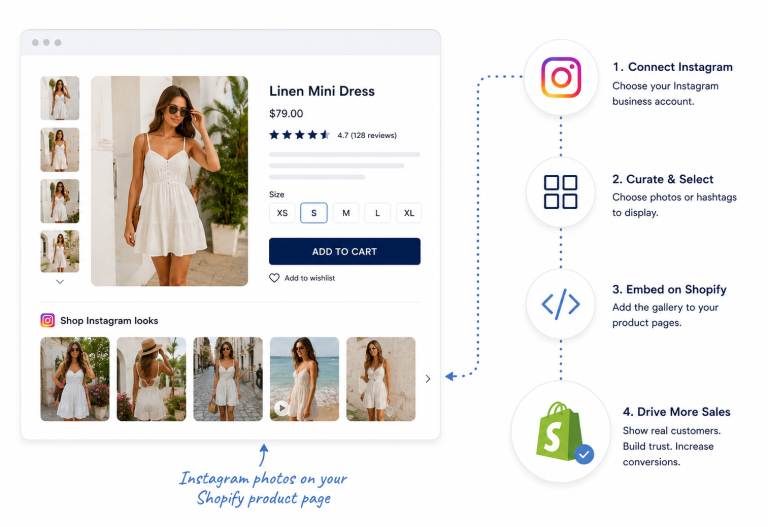
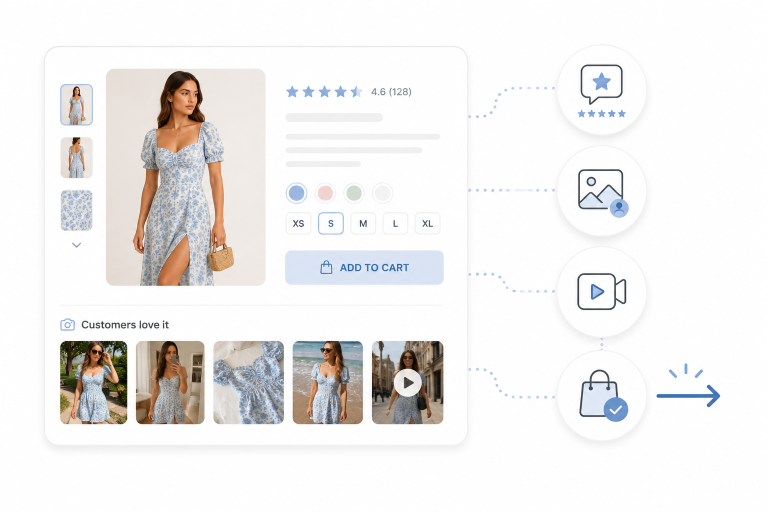
A product detail page (PDP) is the page on your ecommerce website where potential customers see all the critical product information: the product title, high-quality images, specs, pricing, product descriptions, call-to-action buttons like Add to Cart or Buy Now, reviews, and related or recommended products. A PDP is your digital showcase, combining product features, user experience, and product content to influence purchase decisions and boost conversion rates.
Why Your PDPs Are Your Digital Sales Floor
Think of PDPs like the prime shelf in a retail store. It’s where visitors decide whether to buy or keep browsing. An optimized PDP acts like an inviting display: it builds trust, shows what the product does, highlights reviews, and gives clear CTAs. In ecommerce, your PDP is often where the sale is won or lost—bad product listings, confusing descriptions, low-quality images, or slow load times can push customers away right there.
The Anatomy of a High-Converting PDP
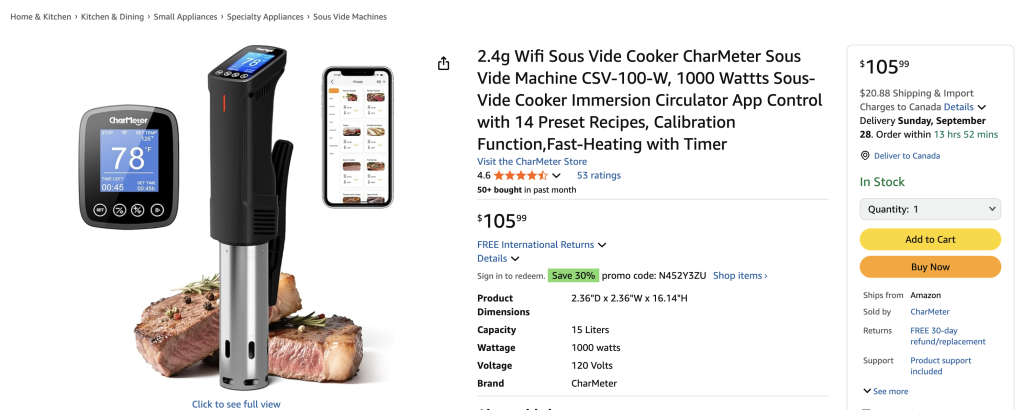
A high-converting PDP typically includes:
- A descriptive and SEO-friendly product title (with relevant keywords)
- Clear, benefit-focused product descriptions, plus bullet points for specs and features
- High-quality product images and product videos showing different angles
- Transparent price and, if applicable, promotions or bundles
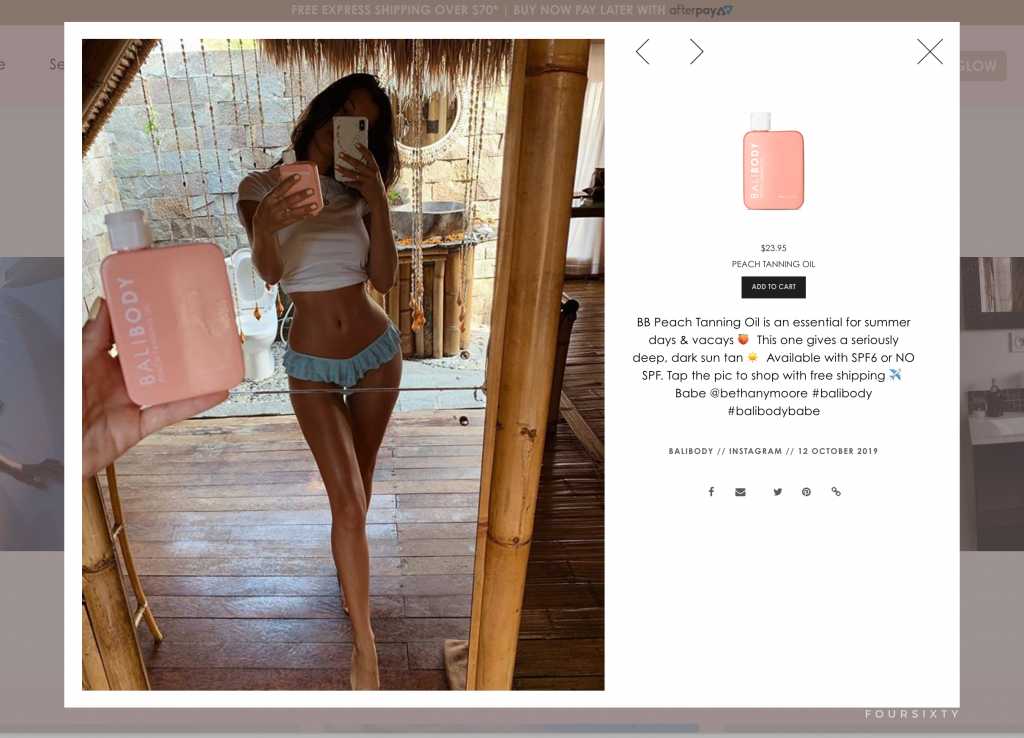
- Trust signals: customer reviews, ratings, user-generated content (UGC), testimonials, social proof
- A strong, visible CTA (“Add to Cart”, “Buy Now”) placed strategically
- Related products or product recommendations to increase average order value
- FAQs, product specs, sizing info if relevant
- Mobile optimization (so PDP works well on mobile devices) and fast-loading pages
Why PDP Optimization Isn’t Optional Anymore (It’s Your Competitive Edge)
Today’s online shoppers expect instant info, clarity, great visuals, quick navigation, and trust. If your PDP is not optimized in terms of SEO, user experience, product content, product images, and social proof, you risk being outranked, ignored, or abandoned.
Social proofing hasn’t stopped at just reviews on page; but embedded shoppable UGC links and buttons from Instagram and Tiktok. These types of strategies can increase conversion rates like:
- Add-to-cart
- Decrease bounce rate
- Engagement and clickthrough rate
While boosting user satisfaction! Afterall, who wouldn’t want to buy their favorite athletes apparel or shoes!
Understanding the User Journey on Your PDPs
The typical path for a customer is: they arrive via search (or social media, influencer content, or a paid ad), land on a product listing, view the PDP, scan visual and content elements, check price and reviews, maybe view related products, then either hit “Add to Cart” or leave. Any friction (slow image load, vague descriptions, poor mobile layout, hard-to-find CTA) causes drop-offs.
The Direct Link Between PDPs and Your Bottom Line
Better PDPs lead to more orders, higher average order value, and better return on marketing spend. For example, when a visitor stays longer (thanks to strong images and product content), they are more likely to buy. As conversion rates increase, acquisition costs drop. Clean, well-structured PDP content with social proof, clear price, and CTAs drives real revenue.
The Core Pillars of PDP Optimization: Your Blueprint for Better Performance
To build a winning PDP, focus on:
- Imagery & Video: crisp, multiple angles, lifestyle shots; video to show product in use
- Image / UGC Galleries: Use multiple imagery or videos; with a mixture of clean shots, lifestyles and dimensions.
- Descriptions & Features: benefits + specs, bullet points for easy scanning
- Social Proof: verified reviews, UGC, ratings, testimonials, positive product reviews
- User Experience (UX): layout, navigation, intuitive CTAs
- Mobile & Speed: fast load, responsive design, minimal friction on mobile
- SEO: relevant keywords, clean URLs, meta titles, rich snippets
- Related / Recommended Products: upsell / cross-sell to boost AOV
- Testing & Metrics: A/B testing, tracking CTR, add-to-cart rate, bounce rate, conversion rates
Mastering Product Imagery and Video: Show, Don’t Just Tell
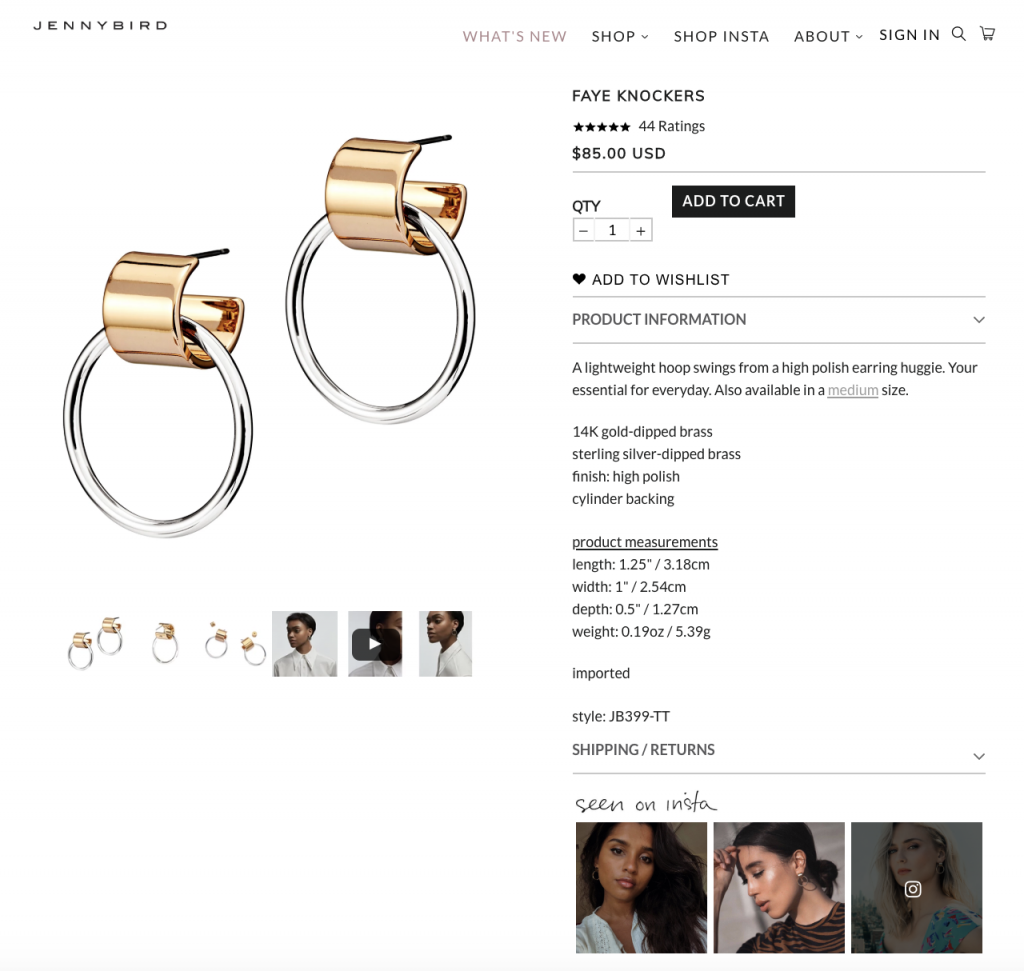
High-quality product images with zoom, multiple perspectives, lifestyle shots, and video content (demo, influencer, or UGC) help customers understand what they’re buying. One of the best ways to win a sale is to show buyers how others are using, wearing, or displaying their products. 92% of shoppers say UGC and hearing from other buyers help them with their decision making.
Videos also boost engagement metrics, lower returns, and support conversion rates by setting clear expectations.
Crafting Compelling Product Descriptions: Features Tell, Benefits Sell
Your product descriptions should explain not just what the product is, but why it matters. Features inform, but benefits sell. Use bullet points for clarity, highlight specs and key features, and always include relevant keywords for SEO. Clear product copy improves purchasing decisions and builds trust with your audience.
Must-Haves for a High-Converting Product Page
Note: This all depends on your industry and products, here are criteria that should encompass many PDPs, whereas the list above are general themes of high converting PDPs.
- Clear product identity: Instantly communicate what the product is, who it’s for, and why it matters (its key benefits).
- Strong title: Crisp, descriptive, and keyword-optimized.
- Standout imagery: Multiple angles, zoomable photos, lifestyle context shots, and video if possible.
- Benefit-driven summary above the fold: A quick, persuasive overview highlighting value and key selling points.
- Organized detail below the fold: Sections for materials, specs, care instructions, fit, and other specifics.
- Size/variant selectors: Easy-to-use options for size, color, quantity, or customizations.
- Pricing and promotions: Clear pricing display, including discounts, bundles, or limited-time offers.
- Strong call to action: Prominent, action-oriented “Add to Cart” or “Buy Now” button.
- Stock and availability info: Real-time inventory status and urgency messaging.
- Shipping and returns transparency: Costs, delivery times, and return policies clearly stated.
- Trust signals: Reviews, guarantees, certifications, and secure checkout indicators.
- Cross-sells and related items: Suggested products to increase average order value.
- Performance & SEO fundamentals: Fast load times, mobile-friendly layout, and proper structured data/schema markup.
Looking at one of our clients, Frankies Bikinis – we can analyze our criteria against their product pages.
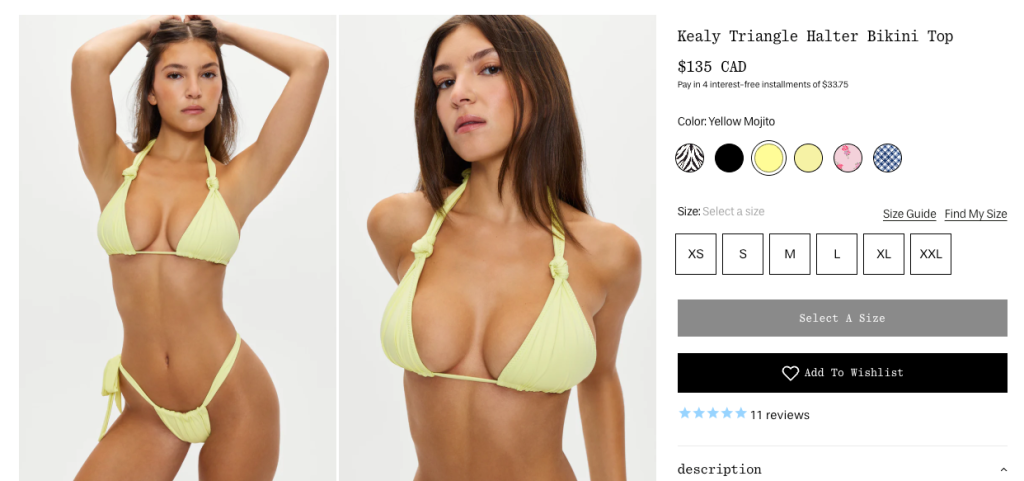
What the Page Does Well
- Clear product title and price displayed prominently.
- Easy size and color selection with a “Find My Size” feature.
- Urgency messaging (“Hurry! This item is almost sold out”).
- Solid product description with sections for details, fabric, and size & fit.
- Includes social proof via a UGC section encouraging shoppers to tag #FrankiesGirl.
- Trust-building logistics info like free shipping, free US returns, and worldwide delivery.
- Visible contact and support information.
What’s Missing or Could Be Improved
- No short, benefit-driven summary above the fold — the page jumps straight into details.
- Lacks video content or lifestyle videos showing the product in motion.
- Review information isn’t highlighted near the top — no visible average rating or featured review above the fold.
- No dedicated FAQ or Q&A section to address common buyer questions.
- Shipping and returns details are not deeply explained beyond basic mentions.
- Minimal cross-sell or “complete the look” recommendations on the page.
- Missing trust badges or visual reassurance near the “Add to Cart” button.
- Could benefit from more detailed size/fit guidance (e.g., model measurements, comparison to standard sizes).
Leveraging Social Proof: Reviews, Ratings, and User-Generated Content
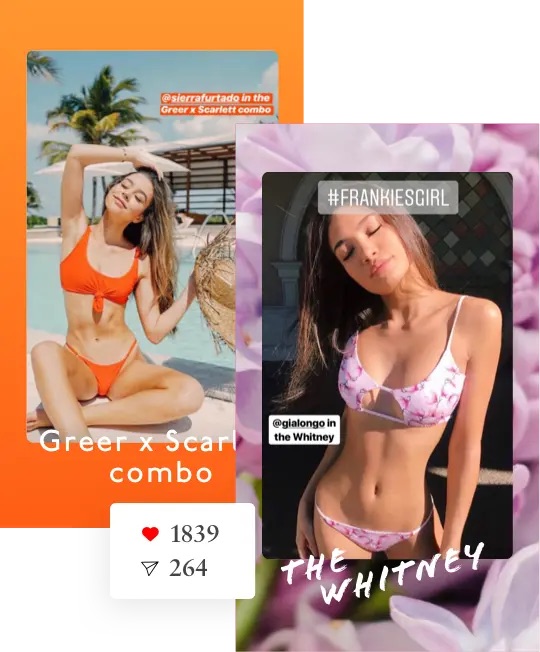
Social proofing is a key element of conversion drivers. Customer reviews, ratings, testimonials, and UGC reassure potential buyers that others trust your brand. Embedding shoppable content, such as customer photos or influencer posts, directly onto your PDP strengthens authenticity.
Streamlining the User Experience (UX): Navigation, Layout, and Calls to Action
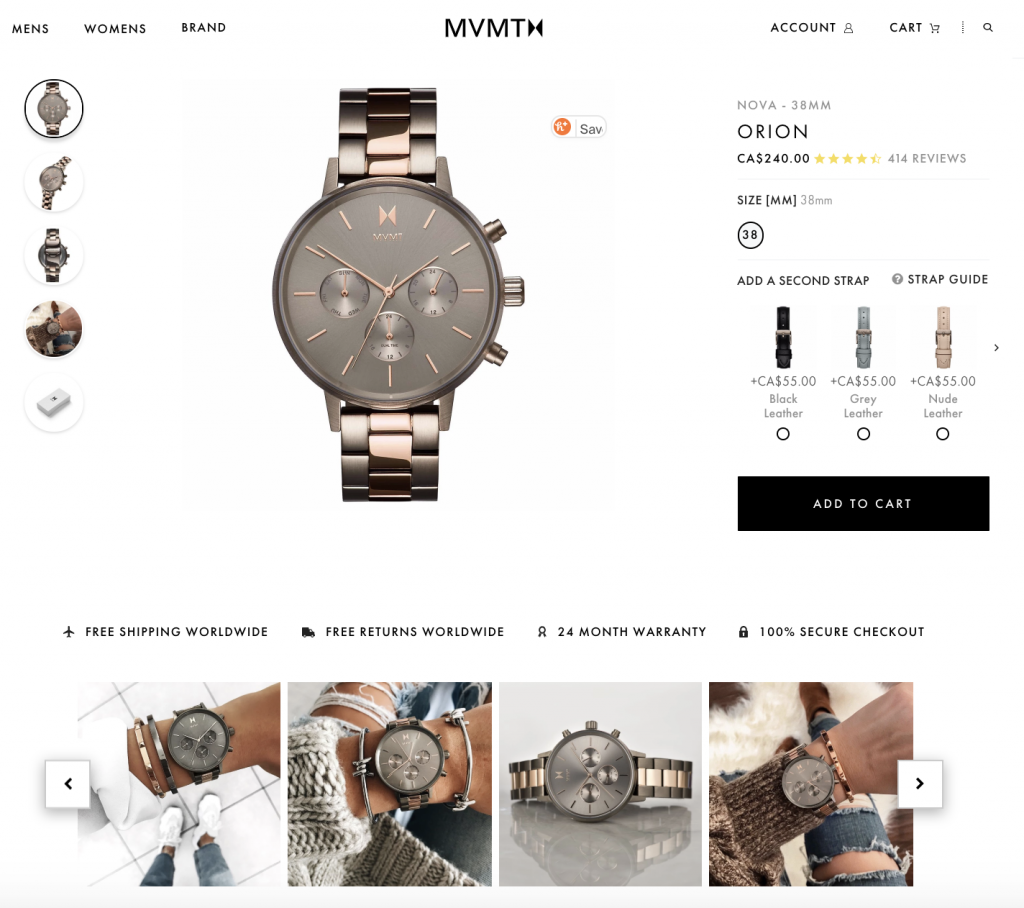
Make the path to purchase easy. Highlight price, product information, and CTAs clearly. Keep navigation clean, reduce distractions, and add related products strategically. A simple, intuitive PDP layout reduces bounce rate and helps drive conversions.
Optimizing for Speed and Mobile: The Non-Negotiables of Today’s Shopper
Most online shopping now happens on mobile devices, so slow load times can kill conversions. Optimize images and video content for speed, design responsively, and test regularly. Fast, mobile-friendly PDPs directly improve add-to-cart rate and product page conversion rate.
Advanced Strategies for Next-Level PDP Performance
Once the basics are in place, you can level up with:
- Personalization: tailored product recommendations
- Dynamic Content: real-time stock alerts or promo messaging
- Shoppable Content Integration: embedding UGC galleries or influencer content
- Seasonal Campaigns: highlighting offers during events like Black Friday strategy
- Micro-Conversion Tracking: monitoring “wishlist adds” or “view size guide” clicks
Many brands use Foursixty’s Shoppable Content platform to bring their Instagram and TikTok to create empowered PDPs with UGC. This not only creates a richer customer experience but also makes both platforms instantly monetizable.
Real-World Success: Case Studies of PDP Optimization in Action
How Peppermayo received 50,000+ more engagements on their PDPs
Peppermayo implemented shoppable UGC strategy on roughly 2000 of their product detail pages, embedding real customer photos alongside high-quality images and strong CTAs. By tagging products and surfacing authentic social proof, their engagement rate (clicks, add-to-cart and purchases) rose by 50,000 extra in August 2025.
Muscle Republic’s Journey to a Clear Benefit with Optimized PDPs
Muscle Republic used influencer and customer content on their PDPs to showcase products in real life. By optimizing titles, descriptions, and layout—and integrating shoppable galleries—they improved conversion rates and click-through rates by 2.9% of overall engagements and sales.
Ready to Transform Your Product Detail Pages into Conversion Powerhouses?
If your PDPs aren’t converting, small changes—better product descriptions, faster mobile speed, stronger reviews—can lead to major gains. And if you’re ready to connect UGC from social media platforms directly to your PDPs, tools like Foursixty make it simple to turn engagement into sales.
FAQs
1. What is Digital Shelf Optimization?
Digital Shelf UX Optimization means improving your product listings across all marketing channels—your website, marketplaces, and social media platforms—so that product detail page (PDP) content is consistent, optimized, and compelling. It ensures that new products and old ones have the right, product titles, pricing, product descriptions, and images perform well, helping to drive conversions and improve SEO rankings.
2. Do product detail pages impact SEO?
Yes. Optimized PDPs can rank in search engine results when they include relevant keywords, customer reviews, product FAQs, and structured data. This boosts click-through rates, attracts more organic traffic, and reduces bounce rate—all key for e-commerce success.
3. How can I improve the conversion rate on my product detail page?
To improve your conversion rate, use high-quality product images and video content, add social proof (reviews, testimonials, and UGC), make your price clear, and use bold CTAs like Buy Now or Add to Cart. Optimizing for mobile devices and running A/B testing also helps refine what works for your target audience.
4. What are the best practices for optimizing a product detail page?
Best practices include: writing clear, benefit-driven product descriptions, using bullet points for specs, creating high-converting layouts, including related products, embedding shoppable content, and ensuring fast page load. Adding user-generated content and social proof increases trust and builds brand loyalty.
5. How do you optimize PDP content for ecommerce SEO?
Use relevant keywords in product titles, descriptions, and product information. Add alt text for high-quality images, and implement schema markup for reviews and ratings. Make sure your product content is unique and loads fast on all devices. This helps you get found in a crowded digital shelf.
6. What metrics should I track to measure PDP Optimization success?
Track add-to-cart rate, product page conversion rate, click-through rates, bounce rate, average order value (AOV), and time on page. Tools like GA4, Shopify Analytics, and shoppable content integrations (such as Foursixty) help measure how your PDP optimization impacts revenue and ROI.