In 2026, Instagram has become more than a platform for connection — it’s a full-scale commerce ecosystem. With Instagram monetization options ranging from subscriptions to live badges to affiliate marketing, creators now have unprecedented control over how their content earns.
But among these options, Instagram affiliate marketing stands out for its accessibility. Whether you’re a startup founder, a content creator, or simply an Instagram user with an engaged following, affiliate marketing offers a way to transform authentic recommendations into passive income. This guide will walk you through how it works, what tools and platforms help you scale, and how to optimize your affiliate content to earn trust — and commissions — over time.
Understanding Instagram Affiliate Marketing
At its core, affiliate marketing on Instagram is a partnership between you, a brand, and your audience. You promote a product you believe in, share a unique tracking link — often through your link-in-bio, Instagram stories, or reels — and earn a commission when someone makes a purchase.
It’s a subtle but important shift from brand deals on Instagram. Sponsorships pay a fixed fee per post; affiliate marketing pays based on performance. This means your success is tied directly to conversion rates, audience trust, and how well you tailor content to your target audience.
Transparency plays a critical role here. Successful affiliates openly disclose their partnerships and focus on high-quality storytelling rather than hard selling. It’s why creators like @gentleneedss, @tinygirlabby, and @that.nightshift.nurse are thriving — their communities see them as guides, not salespeople.
Top 7 Affiliate Marketing Platforms for Instagram Creators
If you want to turn your Instagram account into a reliable income stream, choosing the right affiliate network can make all the difference. Each platform has its own focus — from luxury fashion to mass-market tech — and the top performers often align their niche with the right partner ecosystem. Below are seven of the most trusted and profitable affiliate marketing platforms used by creators and e-commerce brands alike.
1. LTK (RewardStyle)
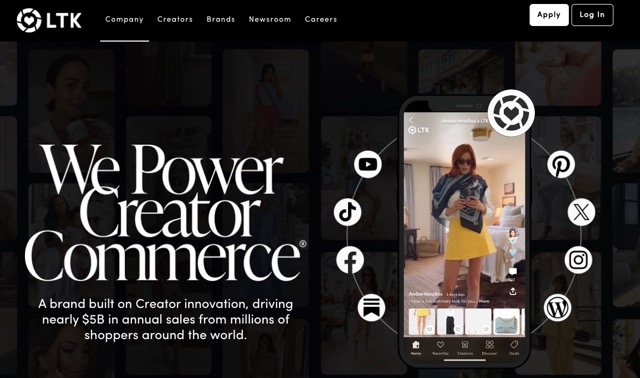
Best for: Fashion, beauty, and lifestyle influencers
Average Payouts: 10–25% per sale
Example: @tinygirlabby regularly features her favorite fashion finds through LTK, driving steady passive income by combining shoppable reels with relatable styling content.
Brands Using It: Abercrombie, Anthropologie, Ulta Beauty, Sephora
Why It Works: LTK integrates directly with Instagram’s shoppable content and PDP optimization features, letting influencers tag affiliate links seamlessly and track real-time conversions.
2. Amazon Associates
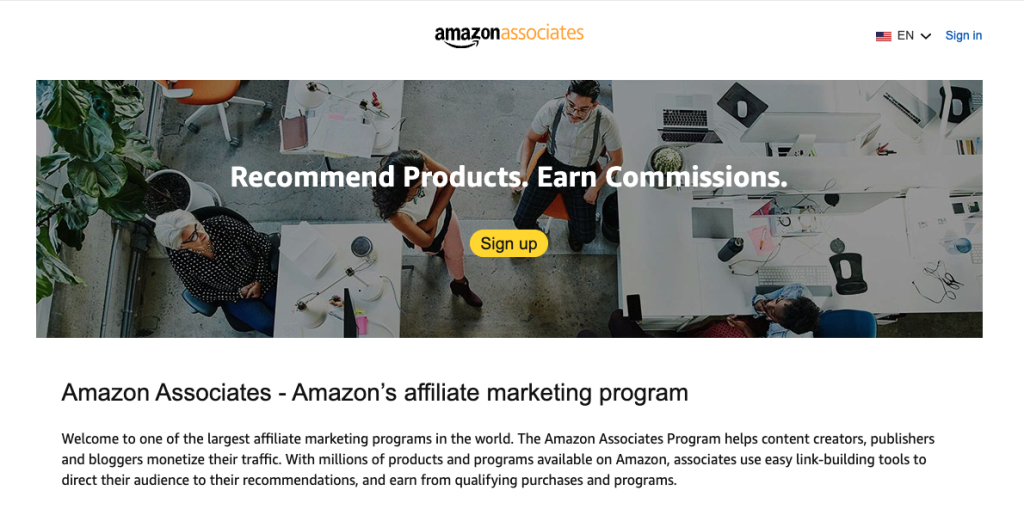
Best for: Beginners and general-interest creators
Average Payouts: 1–10% per sale depending on category
Example: @that.nightshift.nurse uses Amazon Associates to recommend practical workwear and health gear — products her target audience already trusts and buys regularly.
Brands Using It: Amazon’s vast network includes Logitech, Apple, and household consumer brands.
Why It Works: It’s the easiest entry point for affiliate marketing on Instagram, with low barriers to entry and instant access to millions of products across every niche imaginable.
3. ShareASale (AKA AWIN)
Note: ShareASale (SaS) was acquired by AWIN late 2025.
Best for: Small business and boutique e-commerce brands
Average Payouts: 5–20% per sale, often with recurring commissions for SaaS
Example: A growing number of micro influencers in the fitness and wellness space use ShareASale to promote supplements, yoga apparel, and digital courses, combining link-in-bio tools like Linktree with storytelling reels.
Brands Using It: Reebok, Cricut, Grammarly, FreshBooks
Why It Works: ShareASale’s diversity allows creators to match products to their audience’s lifestyle — perfect for balancing audience trust and variety.
4. Impact.com
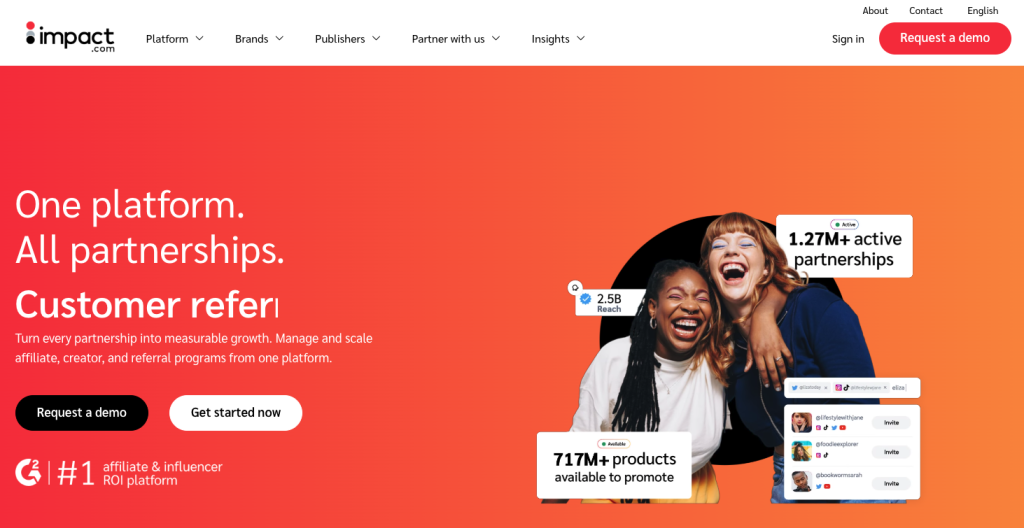
Best for: Advanced creators, agencies, and performance marketers
Average Payouts: Variable (often $50–$200 CPA for high-ticket items)
Example: Tech creators and social media marketers use Impact to partner with brands like Canva and Lenovo, optimizing conversion rates through tutorial content and UGC posts.
Brands Using It: Adidas, Airbnb, Canva, Lenovo, Shopify
Why It Works: Its powerful analytics suite and automation tools let you track sales attribution across multiple platforms — including Instagram, TikTok, and even email marketing.
5. CJ Affiliate (formerly Commission Junction)
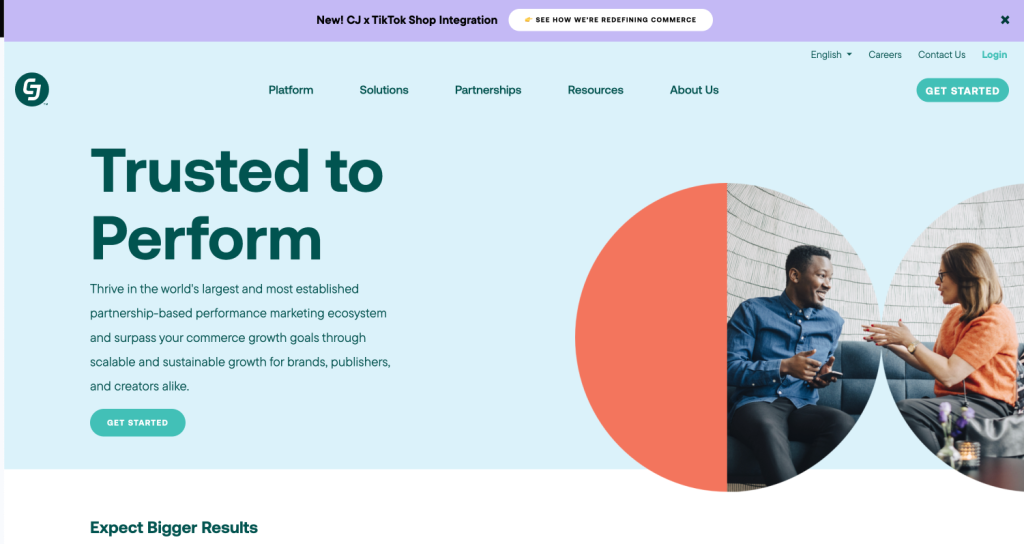
Best for: Established creators targeting enterprise brands
Average Payouts: 3–15% per sale or fixed CPA
Example: A number of creators in the tech and finance niches use CJ to promote products like TurboTax and GoDaddy — especially effective when combining reels with educational tutorials.
Brands Using It: Overstock, GoPro, Verizon, Priceline
Why It Works: CJ offers high-quality partnerships and reliable tracking — a favorite for creators who treat affiliate marketing as a serious online business.
6. Rakuten Advertising
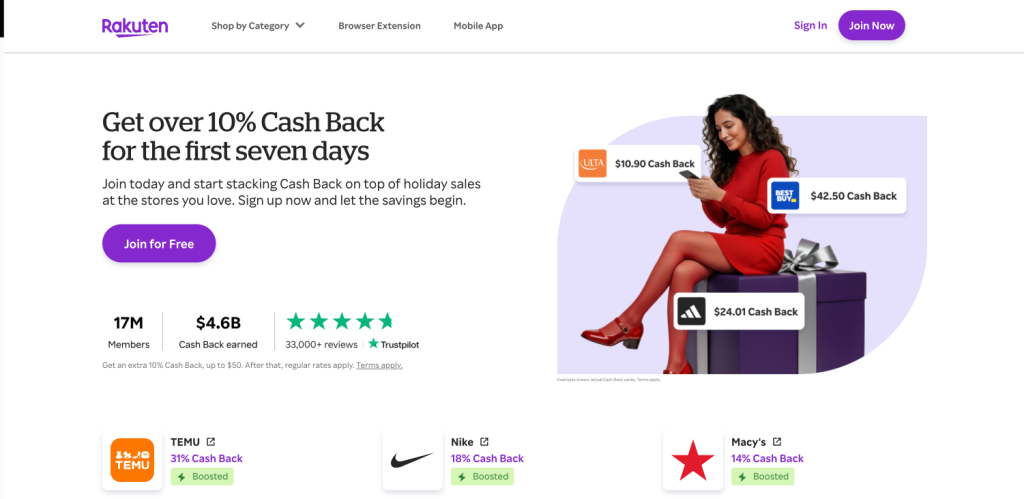
Best for: Creators targeting premium retail audiences
Average Payouts: 5–15% per sale
Example: Lifestyle influencers with strong storytelling aesthetics use Rakuten to work with best brands on Instagram like Macy’s and H&M, integrating discount codes and seasonal campaigns.
Brands Using It: Walmart, Best Buy, Sephora, Lyft
Why It Works: Rakuten’s long-standing retailer relationships and robust payout history make it ideal for creators who value credibility and long-term partnerships.
7. Awin
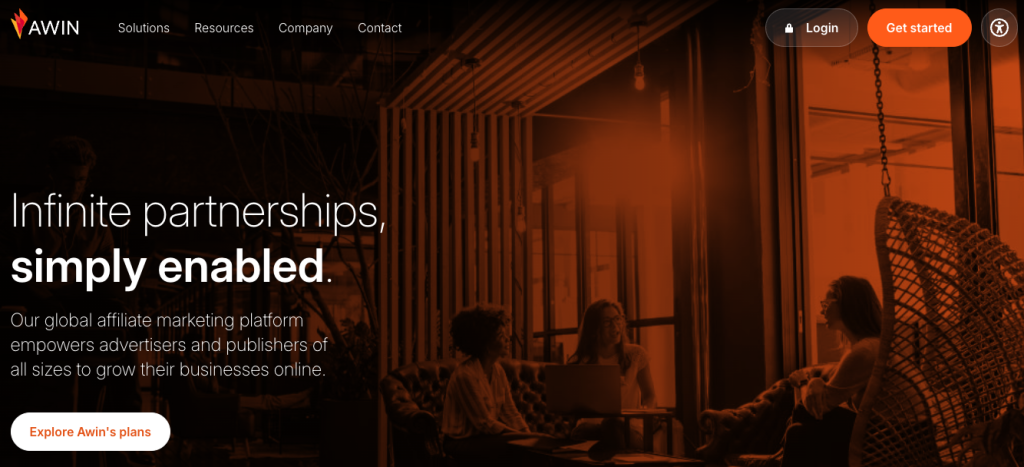
Best for: Global creators and startups expanding internationally
Average Payouts: 5–30% per sale
Example: Travel and lifestyle creators often use Awin to connect with brands like Etsy, AliExpress, and Gymshark, leveraging global reach and diverse product categories.
Brands Using It: Etsy, HP, Under Armour, AliExpress
Why It Works: With over 200,000 advertisers, Awin is one of the largest affiliate networks in the world — a perfect fit for content creators looking to scale their reach beyond Instagram alone.
Each of these networks has its own learning curve, but all reward consistency, authentic storytelling, and strategic use of reels, stories, and hashtags. Whether you’re testing affiliate marketing as a beginner or optimizing multiple affiliate programs for a mature e-commerce brand, aligning your platform with your niche will determine how sustainable your monetization becomes.
Building Trust and Driving Conversions
In affiliate marketing, trust is the real currency. Your followers won’t click unless they believe you. That’s why every piece of content — whether a reel, post, or story — should blend authenticity with value.
Consider how user-generated content (UGC) reinforces that trust. Sharing real customer experiences, tagging brands that use UGC creators, or repurposing community posts into shoppable content transforms marketing into social proof. This approach mirrors PDP optimization techniques in e-commerce, where testimonials and social imagery lift conversions by as much as 20%.
A creator’s storytelling approach matters, too. Rather than simply linking a product, narrate why it fits your lifestyle or solves a real problem. A micro-influencer sharing her skincare routine feels far more relatable than a celebrity endorsement. The algorithm also rewards this authenticity — prioritizing content that sparks interaction over pure promotion.
The Earnings Potential — and What’s Realistic
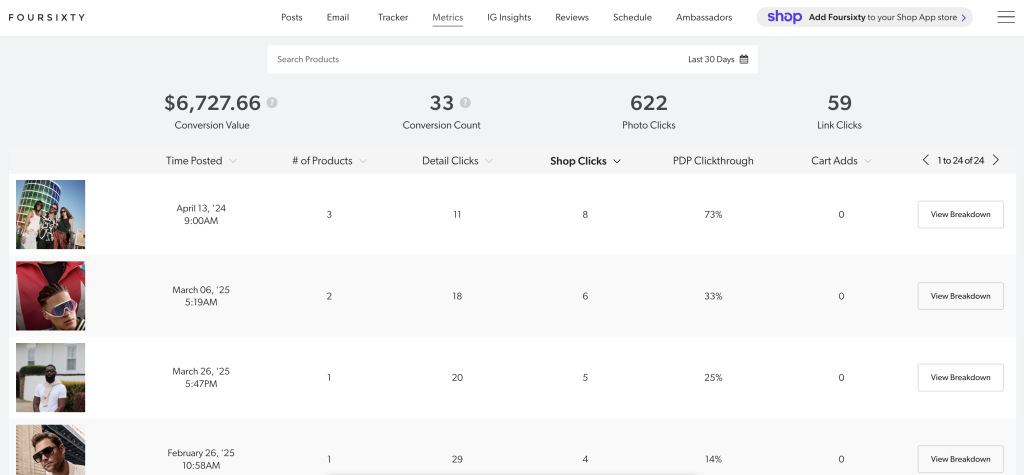
How much can you actually earn? It depends on your niche, consistency, and engagement. A fashion creator posting daily reels may earn higher commission rates than a casual tech blogger.
For example, fashion and beauty influencers often see 10–20% commissions per sale, while tech products hover around 5%. A dedicated creator combining affiliate content, email marketing, and consistent SEO efforts could realistically make several thousand dollars monthly.
Creators who treat it like a business — tracking performance, optimizing for demographics, and nurturing relationships with brands — can scale into five-figure income territory. But remember: successful affiliate marketing takes time, testing, and transparency.
Avoiding Pitfalls
Many beginners stumble by overloading captions with affiliate links, violating Instagram monetization criteria, or chasing every product regardless of relevance. Others neglect analytics, failing to understand which links or hashtags actually convert.
To sustain growth, follow best practices:
- Prioritize authenticity over volume.
- Always disclose affiliate relationships.
- Track everything.
- Respect both your followers’ attention and Instagram’s policies.
And yes — don’t forget taxes. Instagram creators earning commissions are typically required to report that income.
Starting Your Affiliate Journey
If you’re wondering how to start affiliate marketing as a beginner, start small. Pick a niche that fits your passion and audience. Fashion, wellness, travel, tech, and education are popular Instagram niches, but success depends on alignment, not trendiness.
Join one or two affiliate programs, experiment with content formats like reels and carousels, and share your first link through your link-in-bio. Watch how your audience reacts, refine your tone, and use your data to optimize future campaigns.
Over time, you’ll find a rhythm — combining creativity with analytics, and inspiration with strategy.
What’s Next: The Future of Instagram Affiliate Marketing
As the Future of Instagram monetization evolves, affiliate marketing is becoming more sophisticated. AI automation will soon help creators match content to products in real time, while shoppable reels will merge Instagram vs TikTok monetization styles.
Brands will increasingly partner with micro-influencers and UGC creators, valuing authenticity over reach. Expect deeper integrations between affiliate networks and Instagram’s native tools, allowing direct in-app earnings without leaving your profile.
For marketers, the next era of affiliate growth lies in blending influencer marketing, SEO, and data-driven content optimization — creating a loop where every post teaches you something about your target audience and how to serve them better.
Conclusion
Instagram affiliate marketing isn’t about gaming the system or chasing viral moments — it’s about aligning trust, storytelling, and commerce. By understanding how the Instagram algorithm works, nurturing your community, and experimenting with affiliate products that fit your voice, you can turn social creativity into meaningful income.
Whether you’re aiming to build a startup, supplement your full-time career, or grow into a full-scale online business, affiliate marketing remains one of the most accessible paths toward sustainable monetization.
So start small, track your progress, and let your authenticity be your strategy. That’s the real secret behind long-term, successful affiliate marketing.
FAQs About Instagram Affiliate Marketing
How do beginners get into affiliate marketing on Instagram?
Most beginners start by choosing a niche they genuinely care about — like fashion, wellness, or tech — and signing up for beginner-friendly affiliate programs such as Amazon Associates or LTK. From there, they share affiliate products through reels, stories, and link-in-bio tools like Linktree. The key is to focus on helping your audience, not just selling to them.
How many followers do you need to be an affiliate on Instagram?
There’s no official minimum. Many micro influencers (1,000–10,000 Instagram followers) earn steady commissions because they have high engagement and audience trust. Brands and affiliate networks often value authenticity and niche focus over size.
How can I make $10,000 a month with affiliate marketing?
It takes time and systems. Successful creators diversify — using multiple affiliate programs, blending SEO, email marketing, and cross-platform promotion (especially TikTok), and optimizing conversion rates through better content and storytelling. Over months, those small commissions can scale into substantial passive income.
How much do 1,000 followers pay on Instagram?
With consistent engagement, 1,000 followers can earn anywhere from $10 to $100 per month depending on niche, content quality, and commission rates. The more aligned your content is with your audience’s interests, the higher your returns.
How do I start affiliate marketing as a beginner?
Start simple: pick one product category, join a trusted affiliate network, and post authentic reviews or tutorials. Use your Instagram stories and reels to demonstrate real use, add a CTA that encourages clicks, and always disclose your affiliate relationship.
Has anyone actually found success with affiliate marketing on Instagram?
Absolutely. Creators like @gentleneedss, @tinygirlabby, and @that.nightshift.nurse have built meaningful income by blending user generated content, genuine recommendations, and consistent storytelling.
How can I select the best affiliate program for my Instagram account?
Look for affiliate networks that align with your audience’s demographics and interests. Compare commission rates, payout frequency, and product relevance. For example, fashion creators thrive on LTK and ShareASale, while tech influencers might prefer Impact or CJ Affiliate.
Can you sell affiliate products directly on Instagram?
Yes — as long as you follow Instagram monetization policies and disclose affiliate links. You can share products via your shoppable content examples, swipe up stories, reels, or link-in-bio landing pages connected to your favorite tools.
What are the best strategies for promoting affiliate links on Instagram?
Blend education with storytelling. Post tutorials, behind-the-scenes clips, and lifestyle content featuring your affiliate products. Use hashtags, craft strong CTAs, and analyze performance metrics to see what resonates. The goal is to build trust first — conversions follow naturally.
Are you looking to increase conversion rates, build your target audience, or deepen brand loyalty?
Affiliate marketing can do all three when it’s done strategically. By sharing relatable stories, optimizing your posts for SEO, and using automation tools for follow-up via email marketing, you can strengthen relationships while generating consistent income.