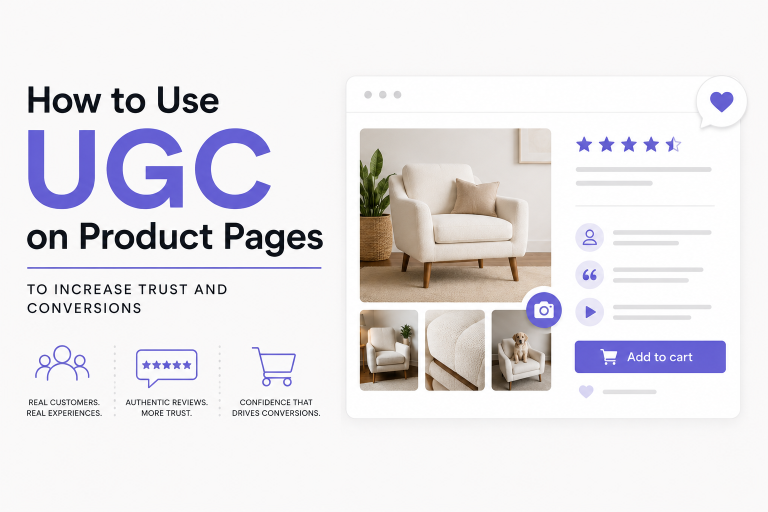
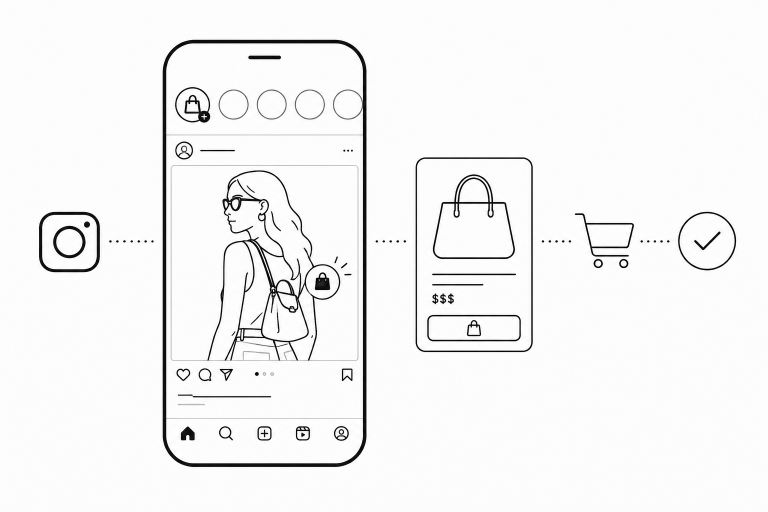
In today’s digital landscape, user-generated content (UGC) has become one of the most effective levers for driving conversion rates and building brand loyalty. Shoppers trust customer reviews, testimonials, unboxings, and lifestyle shots from real people more than polished ads. That’s because UGC acts as social proof, showing potential customers authentic experiences with your brand. For ecommerce businesses, using UGC strategically isn’t just a trend—it’s a cost-effective marketing strategy that influences purchasing decisions and boosts ROI.
Before we start here are some amazing stats about UGC from LinkedIN:
Why UGC Matters
- 92% of consumers trust organic, UGC-based content more than traditional advertising.
- Consumers find UGC 9.8x more impactful than influencer content when making purchasing decisions.
- 79% of people say UGC highly influences their buying decisions.
- Brands leveraging UGC see a 28% higher engagement rate than those that don’t.
Benefits of UGC
1. Builds Trust and Authenticity
- 84% of millennials say UGC impacts their purchasing decisions.
- 75% of people don’t trust traditional ads but are likelier to trust peer recommendations.
- 85% of users find visual UGC more persuasive than brand-created content.
2. Increases Engagement and Conversions
- UGC increases social media engagement by 28% on average.
- Brands with UGC see a 29% higher conversion rate.
- 56% of consumers say they are more likely to buy after seeing UGC on a brand’s social media.
3. Cost-Effective Content Creation
- 79% of marketers say UGC is more cost-effective than branded content.
- UGC reduces content production costs by up to 50%.
- Companies using UGC spend 30% less on content marketing while seeing better engagement.
Types of UGC (and Which Convert Best)
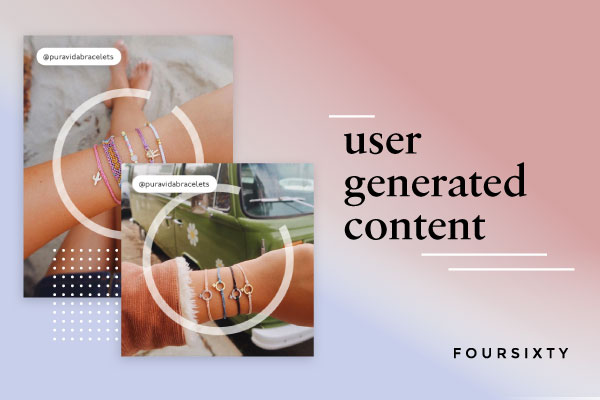
Not all types of UGC perform equally. The formats that consistently deliver the best results include:
- Video reviews and unboxing videos on TikTok and YouTube
- Before/after shots that demonstrate results
- Lifestyle content showing products in everyday use
- Testimonials and customer photos repurposed into social media content
- Branded content submissions through giveaways or contests
Take Little Sleepies, for example. By embedding parent-submitted lifestyle photos into their product detail pages (PDPs), they help shoppers visualize fit and comfort in real-life situations. This authentic ugc content builds trust and improves add-to-cart rate.
Where to Use UGC
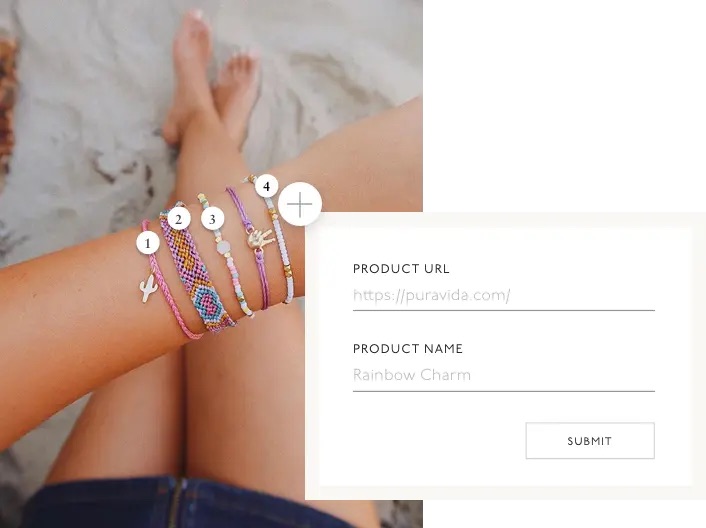
UGC can elevate every stage of the customer journey. Leading ecommerce brands use UGC in:
- Product pages and PDP optimization: Embed galleries like Inkbox’s PDP product gallery, where social media followers show their tattoos in real time.
- Paid ads: Authentic UGC performs better than studio ads, increasing ROAS across Meta and TikTok.
- Email and SMS campaigns: Featuring ugc creators or brand ambassadors boosts open and click-through rates.
- Landing pages: Adding UGC improves SEO performance and increases engagement.
- Influencer whitelisting: Running ads through influencers’ accounts extends reach to new target audiences.
How to Source UGC
A strong ugc strategy depends on consistent content sourcing. There are three primary methods:
- Organic: Encourage social media users to tag you with branded hashtags. Brands like Waterlust leverage their eco-community by asking for tagged social media posts, which they then curate into a half-page gallery that links directly to products. You can also leverage contests and giveaways to help drum up those followers for you brand!
- Seeding and gifting: Send new products to influencers or loyal social media followers and ask them to share content.
- Paid creator platforms: Work with ugc creators who specialize in making high-quality visual content that can be repurposed across social media channels and product pages.
UGC Performance Benchmarks
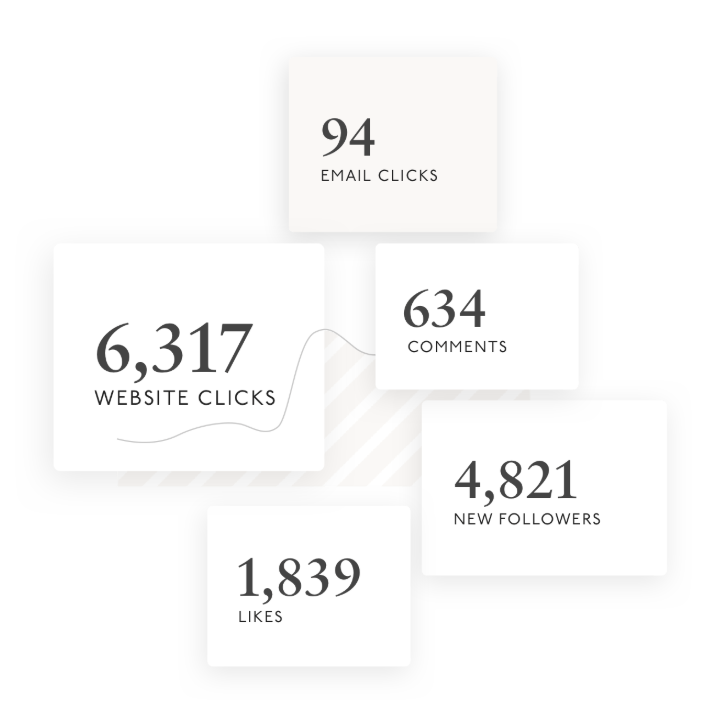
Brands that use UGC typically see:
- A/B testing results showing higher conversion rates on PDPs featuring UGC
- ROAS differences: UGC ads often outperform branded creative by 20–40%
- Engagement boosts: social media content featuring UGC sees higher reshare and reposting activity
- Lower costs per acquisition, as UGC is more cost-effective than studio production
For example, Inkbox found that embedding UGC into product galleries boosted both brand awareness and purchasing decisions, with stronger PDP engagement metrics than pages without UGC.
Case Studies:
Little Sleepies: Boosting Conversions with Lifestyle UGC
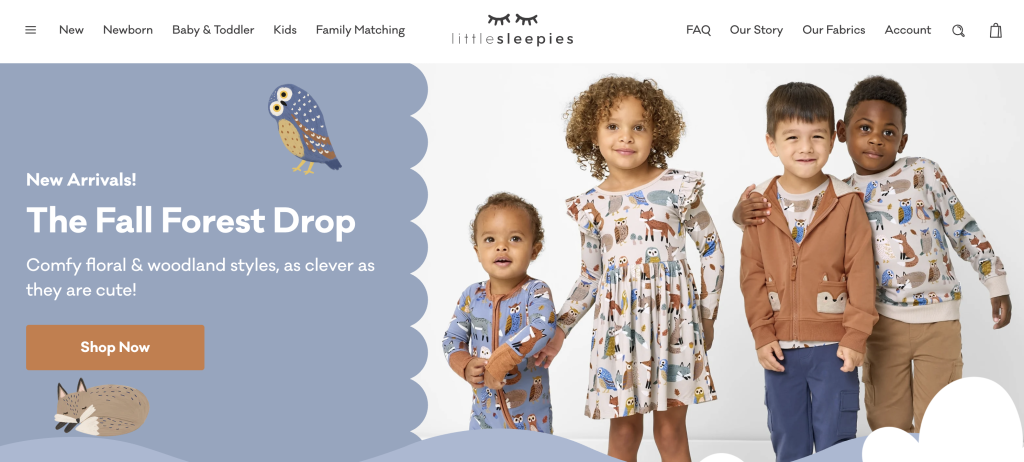
Little Sleepies sells sleepwear that parents love to share on social media. By using Foursixty to pull ugc content from Instagram and display it directly on their product detail pages (PDPs), they transformed their PDPs into social proof engines. Parents browsing a romper can instantly see real people—other families—sharing photos, which builds trust and shortens purchasing decisions. This integration increased add-to-cart rate and lifted product page conversion rates, showing the power of authentic visuals in ecommerce.
Inkbox: Turning PDP Galleries into Social Proof Powerhouses

Inkbox leverages UGC to showcase how their semi-permanent tattoos look on potential customers in real life. Using Foursixty’s ugc strategy, they built a dedicated PDP product gallery full of customer photos, influencer content, and testimonials. Instead of relying only on studio shots, they highlight tattoos on diverse social media users, giving shoppers confidence before checkout. This approach not only improved conversion rates but also strengthened brand loyalty by celebrating their creative community.
Waterlust: Building Community Through Eco-Mission UGC

Waterlust is an eco-conscious apparel brand that integrates ugc campaigns into its sustainability mission. They dedicate half a page of their site to a community gallery, where fans share ocean adventures wearing Waterlust gear. With Foursixty, they’ve connected this social media content directly to shoppable products, blending storytelling with a seamless shopping experience. By curating branded hashtags and encouraging submissions, Waterlust builds brand awareness while making it easy for visitors to purchase products. This authentic connection increases engagement metrics and drives higher average order value.
Compliance & Usage Rights
Before you reshare or repurpose UGC, ensure you have usage rights. This often means securing explicit permissions from ugc creators or implementing opt-in through submissions and giveaways. Establishing clear partnerships with influencers and brand ambassadors keeps your marketing efforts both ethical and compliant.
Tools to Scale UGC Collection & Display
Collecting UGC at scale requires organization. Shoppable Content platforms like Foursixty help brands:
- Curate and organize UGC from multiple social channels
- Turn Instagram and TikTok into monetizable platforms with shoppable content
- Embed galleries on product pages to increase product page conversion rate
- Track metrics like engagement, add-to-cart rate, and ROAS
By using Foursixty, brands like Little Sleepies, Inkbox, and Waterlust are able to transform social media content into a seamless customer experience, driving higher revenue and deeper engagement.
Ready to Transform Your UGC into a Sales Engine?
UGC isn’t just about pretty pictures. When done right, it’s a revenue strategy that combines social proof with measurable results. With the right tools, you can turn ugc content into shoppable galleries that improve conversion rates and increase ROI.
Book a UGC Strategy Call today or download our UGC Checklist to start leveraging user-generated content across your marketing channels.
FAQs
1. How to use user-generated content on Instagram?
Encourage social media users to tag your brand with branded hashtags. Then curate and reshare this content to your social media feed, product pages, or PDPs. This builds brand awareness and strengthens social proof.
2. How to start UGC as a beginner?
Start small by asking for customer reviews, testimonials, and customer photos. Launch simple ugc campaigns with giveaways or influencer partnerships to collect authentic ugc content for your social media platforms.
3. What is a UGC creator?
A ugc creator is a content creator who produces high-quality social media posts—such as unboxings, youtube videos, or lifestyle content—on behalf of brands. They’re not traditional influencers; instead, they create content that brands can repurpose across marketing channels.
4. How can businesses leverage user-generated content for brand growth?
Businesses can use UGC by embedding it on PDPs, adding it into paid ads, and featuring it in email marketing campaigns. This increases conversion rates, boosts brand loyalty, and improves the overall customer experience.
5. How can user-generated content boost brand engagement?
UGC drives brand engagement because it involves real people. When social media content comes from actual customers, it feels more authentic, leading to higher reshare rates, better metrics, and stronger word-of-mouth.
6. What is an example of a successful UGC campaign?
Starbucks’ holiday cup contest and GoPro’s examples of UGC are classic cases. Both brands invited social media followers to create and share content, which generated millions of submissions and dramatically increased brand awareness.