Introduction
For today’s eCommerce managers and directors, optimizing user experience is one of the highest-ROI levers available. UX Conversion Optimization is the intersection of design empathy and measurable performance — the process of aligning user needs with business goals so that every interaction leads to value. A well-designed ecommerce site doesn’t just look good; it converts better, retains customers longer, and inspires confidence.
Pro-insight: Across 18 accessories and tech brands, Foursixty recorded over 19 million shopper interactions, showing that sites which simplified PDP content and improved visual hierarchy outperformed peers by 25–30 % in conversion efficiency. In a world where attention is currency, UX is the system that determines whether users spend it with you — or your competitor.
What Is UX Conversion Optimization?
UX Conversion Optimization combines the science of CRO (Conversion Rate Optimization) with the art of UX design. Where CRO seeks to improve metrics through testing and data, UX ensures the path to those conversions is frictionless, trustworthy, and satisfying. Together, they bridge the psychological and the practical — turning potential customers into repeat buyers.
- UX is about usability, accessibility, and emotional satisfaction.
- CRO is about testing, analyzing, and improving measurable performance.
- The intersection lies in decisions that make a site both enjoyable and effective — for example, optimizing landing pages, streamlining checkout processes, or clarifying cta buttons to guide users toward desired actions.
As Nielsen Norman Group puts it: “Every pixel of design should reduce uncertainty.”
Why UX Matters for eCommerce Conversion
In eCommerce, UX flaws directly translate into lost revenue. Research by Baymard Institute and CXL reveals that nearly 70 % of online carts are abandoned due to UX friction — unclear pricing, hidden shipping fees, or slow website performance. These problems erode trust before the user even reaches the credit card field.
Common mistakes include:
- Overwhelming homepages with competing CTAs or irrelevant pop-ups.
- Neglecting mobile users, who now make up over half of all website visitors.
- Using low-contrast typography or ambiguous icons that hide essential messaging.
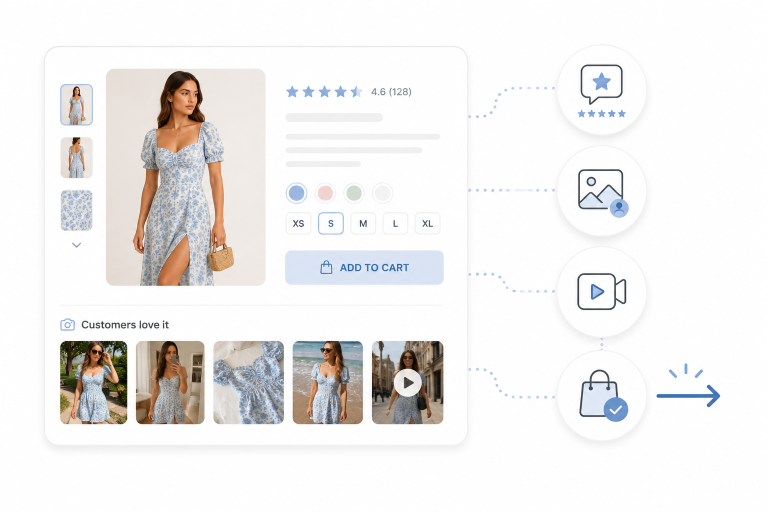
Well-optimized UX tackles these usability issues head-on. It reduces cognitive load, supports user behavior with clear visual cues, and delivers a seamless customer experience that leads to higher conversion rates and improved Add-to-cart rate.
Core Principles of UX for Better Conversions
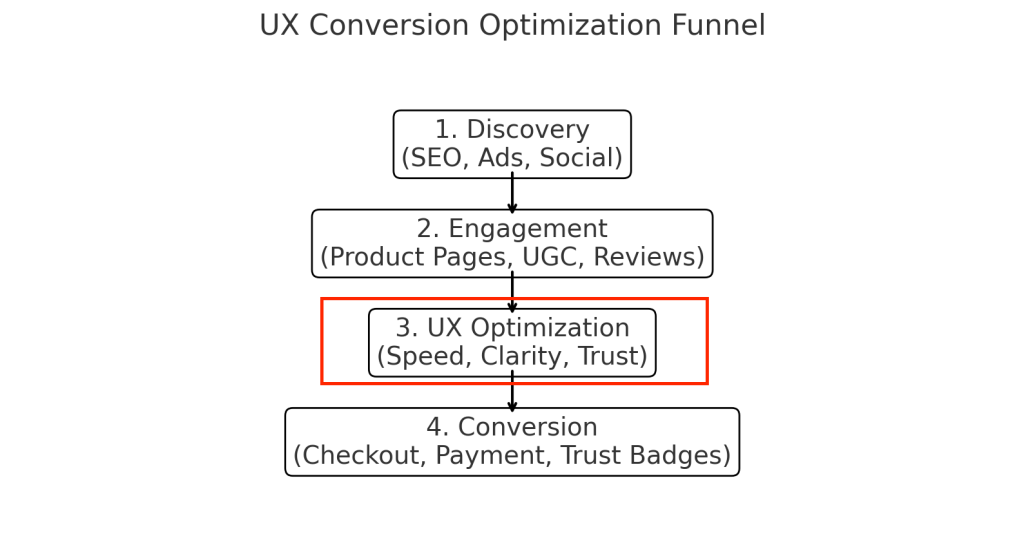
The foundation of great UX strategy rests on five enduring principles that apply across all ecommerce sites:
- Visual Hierarchy & Scannability
Users skim before they read. Your layout should emphasize primary CTAs, product images, and pricing through consistent spacing, typography, and color contrast. - Page Load Speed
According to Google, every one-second delay can cut conversions by up to 7 %. Optimizing site speed is one of the simplest ways to boost conversion and improve search engine visibility. - Mobile Responsiveness
Mobile devices dominate traffic, yet mobile checkout processes are often neglected. Streamlined forms and adaptive user interface design are key to retaining mobile users. - Trust Signals
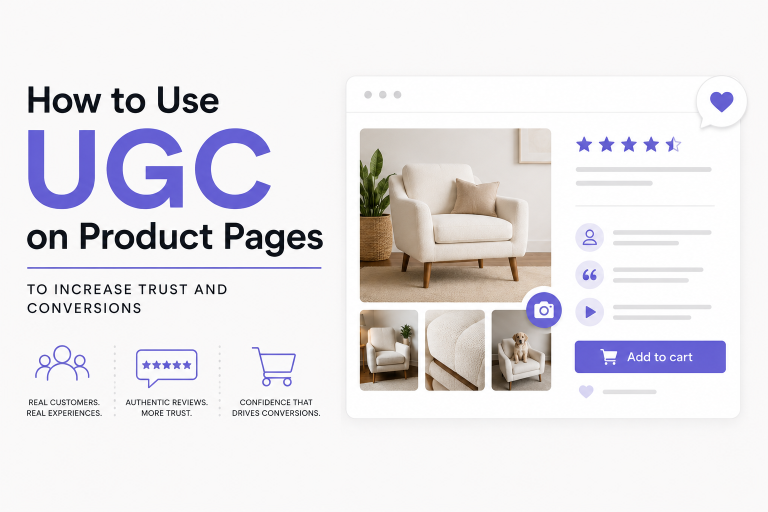
Integrate testimonials, security badges, and social proof in eCommerce (reviews, UGC strategy, influencer content). These reduce hesitation and build trust in the transaction process. - Simplicity and Flow
As Daniel Kahneman famously wrote, “Cognitive ease breeds trust.” Minimize distractions and let the user journey unfold naturally, with each step leading logically to the next.
Key UX Optimization Tactics for eCommerce
Effective UX optimization requires evidence, not intuition. The most successful eCommerce managers approach it as an iterative, data-driven discipline.
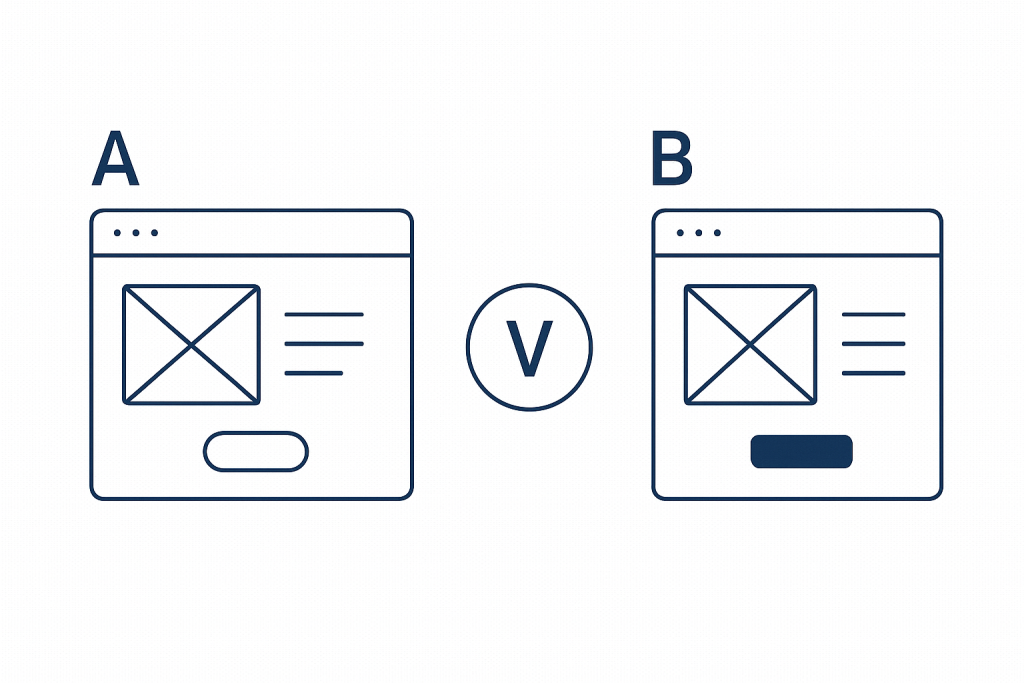
Start with A/B testing — the cornerstone of conversion optimization — to validate design hypotheses. Test one variable at a time (CTA color, layout, or pricing display) and measure impact through conversion metrics. Supplement testing with heatmaps and session recordings from tools like Hotjar or FullStory to observe user interaction in real time.
Equally important is usability testing with live users. Observe how shoppers navigate your homepage, product pages, and checkout. Combine qualitative user feedback with quantitative analytics to form a complete understanding of user needs.
Finally, leverage AI in PDPs for personalized recommendations and dynamic content blocks that adapt to behavior. By surfacing Shoppable content and Brands that use UGC creators, you connect emotional trust with product relevance — a proven way to increase conversions.
Case Study: How Accessories Brands Improved Conversion Through UX

Foursixty’s aggregated data across 18 accessories, eyewear, and tech brands revealed a striking pattern: fewer clicks, deeper focus. The vertical’s engagement-per-visit ratio ranked among the highest in eCommerce, proving that shoppers explore less but engage more meaningfully.
- 50 % of all interactions came from visual discovery (product image and color clicks).
- 25 % from exploration, navigating between categories.
- 15 % from information seeking, such as size guides or materials.
By enhancing PDP visuals with 360° imagery, clarifying warranty info, and simplifying the checkout process, brands achieved a 23 % lift in product page conversion rate.
Eyewear brands using AR try-ons doubled user engagement, while luxury watch retailers saw higher intent through storytelling and craftsmanship details. The takeaway: emotion plus clarity equals conversion.
Recommended Tools for UX Conversion Optimization
The modern UX toolkit blends analytics, testing, and human insight.
- CRO Platforms: Google Optimize, VWO, and Convert for structured experiments.
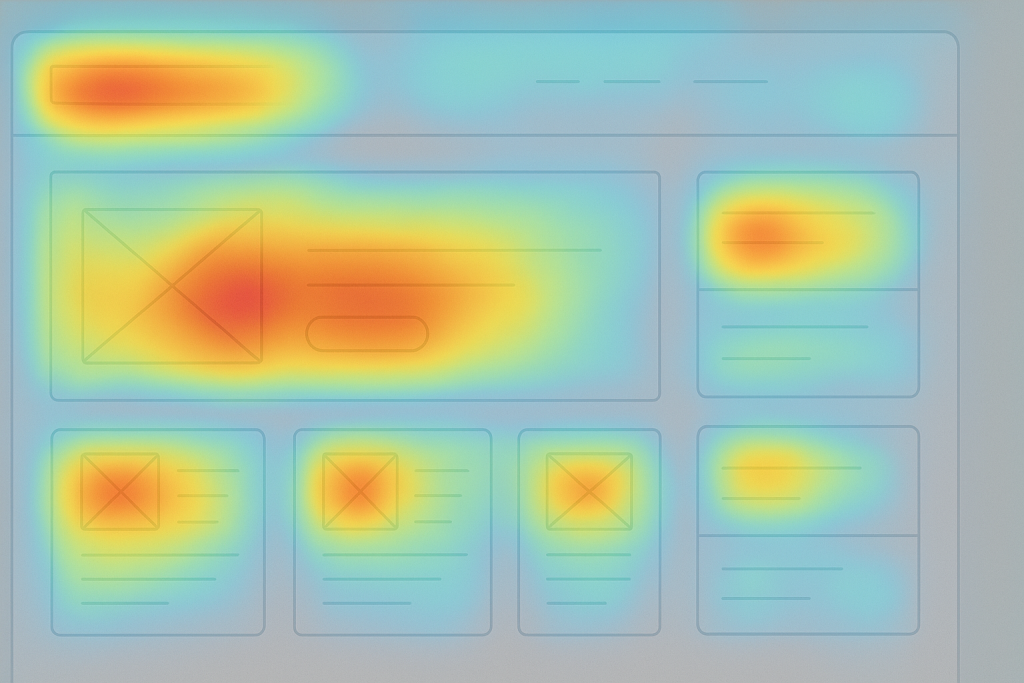
- Behavior Analytics: Hotjar and FullStory visualize friction via heatmaps and session recordings.
- Design Feedback: Maze and UsabilityHub enable quick usability testing and preference validation.
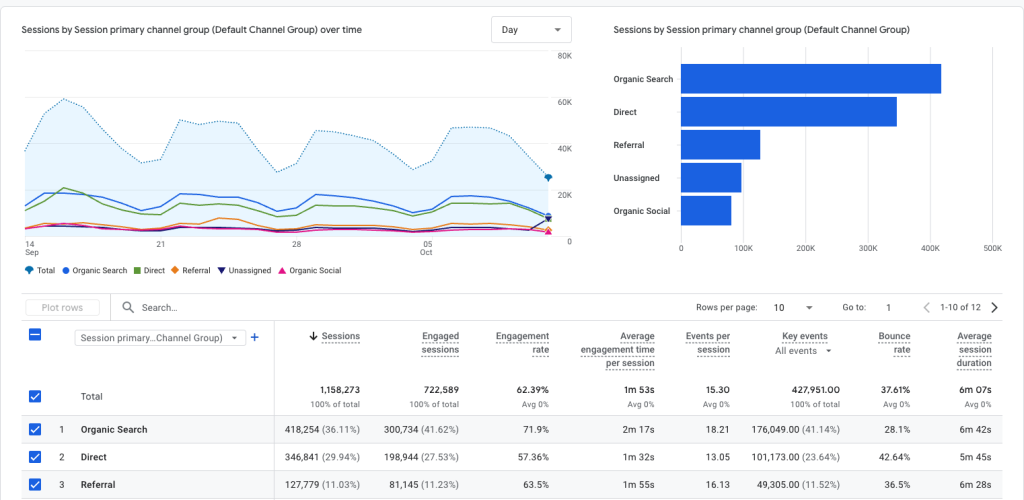
- Measurement: GA4 for quantitative metrics; Foursixty for real-time UGC strategy integration — embedding Shoppable content examples and social validation directly within PDP Optimization.
Together, these tools close the feedback loop, giving eCommerce managers actionable insight into where and why users stall in their sales funnel.
UX KPIs to Track Conversion Impact

Tracking UX performance requires balancing behavioral and emotional metrics:
- Conversion Rate: The ultimate KPI for success, reflecting the efficiency of your user journey.
- Add-to-Cart Rate & Checkout Completion: Reveal friction points in your checkout process.
- Bounce Rate & Time on Page: Indicate whether users find valuable insights or hit dead ends.
- Task Completion Rate: Measures ease of accomplishing desired actions (search, filter, pay).
- Satisfaction Scores (CSAT / NPS): Gauge how much trust and satisfaction your customer experience creates.
These KPIs don’t just measure outcomes — they guide iteration, ensuring every UX strategy evolves through real-world evidence.
Common Pitfalls to Avoid
Even good intentions can sabotage conversion rate optimization when teams over-index on trends. Overly animated interfaces or excessive pop-ups distract from the desired actions that matter. “Dribbblization” — designing for aesthetic likes rather than function — remains a leading cause of poor performance.
Ignoring mobile-first principles is another critical error, as is applying “universal” best practices without testing. Each target audience has unique pain points and expectations, so always validate through controlled A/B testing and user research.
The golden rule: Don’t design for designers — design for users.
Conclusion: Design Decisions That Drive Revenue
Great UX doesn’t just delight users; it pays dividends. Every improvement in usability, messaging, and user interface clarity compounds over time, creating a frictionless sales funnel that converts. By combining behavioral psychology, UX research, and data-driven CRO, eCommerce managers can boost conversion without increasing ad spend.
Foursixty’s integrated UGC strategy demonstrates how social proof in eCommerce and user-centric design coexist — converting casual scrollers into confident buyers. If you’re ready to iterate your way toward higher conversion rates, schedule a UX audit or demo to see real examples from our case studies.
FAQs
1. What is the 80/20 rule in UX design?
The 80/20 principle in UX design means 80 % of results come from 20 % of actions. In practice, focus optimization on the few key areas — like checkout process, cta buttons, and mobile layout — that most influence conversion optimization. Prioritizing these high-impact fixes yields faster improvements in website performance and ROI.
2. Is a 25 % conversion rate good?
For ecommerce, a 25 % conversion rate is extraordinary. Most web pages convert around 2 – 5 %. Such high numbers are typically seen in ultra-qualified saas or returning-customer funnels. The real goal for managers is continuous incremental improvement through UX and CRO.
3. What is an example of conversion optimization?
Adding testimonials and Shoppable content powered by Foursixty is a clear example. This simple change applies the psychology of selling online — reducing doubt and increasing relevance — leading to measurable lifts in both Add-to-cart rate and Product page conversion rate.
4. Is a 30 % conversion rate good?
Thirty percent is exceptionally high, often achievable only for repeat loyalty program examples or gated events. Most ecommerce managers should instead target progressive growth via ongoing UX optimization and CRO strategy refinement.
5. What is conversion optimization?
It’s the systematic process of improving the percentage of website visitors who complete desired actions. Using a/b testing, behavioral data, and UX research, teams identify friction points and refine user experience to increase conversions sustainably.
6. What is CRO in web design?
CRO is the practice of embedding conversion rate optimization directly into web design decisions. That includes structuring landing pages for focus, improving user flow, and designing with persuasive call-to-action logic rooted in human psychology.
7. What is conversion in UX design?
In UX, conversion is when users complete a defined task — purchasing, subscribing, or sharing content. Good ux design removes obstacles and aligns messaging, functionality, and emotion to make those actions feel effortless.
8. What do Conversion Rate Optimizers actually do?
They study user behavior, run A/B tests, and translate findings into better design decisions. Their role blends analytics, digital marketing, and usability testing to find where friction exists and remove it.
9. How does User Experience affect Conversion Rates?
Every aspect of customer experience — from load speed to clarity of messaging — shapes perception and trust. Good UX builds momentum; bad UX breaks it. Optimized flows encourage completion, lifting overall conversion metrics and revenue.
10. What is Conversion Optimization and Why Should You Care?
Because design should serve performance. Conversion optimization ensures every pixel, word, and motion guides users toward meaningful outcomes. It’s how modern ecommerce brands scale without ballooning acquisition costs.
11. What are the Best Metrics to Choose?
Monitor conversion rate, Add-to-cart rate, and checkout completion as primary KPIs. Support them with secondary metrics like bounce rates, session duration, and user engagement. Combined, these show both efficiency and satisfaction.
12. How can UX design improve conversion rates?
By creating clarity and confidence. Simplified user interface, fast web pages, and authentic UGC strategy reduce uncertainty. When users feel understood, build trust, and find what they need quickly, higher conversion rates follow naturally.