For content creators evaluating where to invest their time, creative energy, and personal branding, monetization is no longer a secondary consideration—it’s the strategy. TikTok and Instagram dominate the short-form social media landscape, but they reward creators in very different ways. Understanding those differences is essential for anyone building sustainable revenue streams through video content, brand partnerships, and affiliate marketing.
While both platforms operate as algorithm-driven social media platforms, their monetization models reflect different philosophies: TikTok prioritizes discovery and scale, while Instagram prioritizes retention, commerce, and long-term creator value.
Overview of Instagram and TikTok Monetization
At a high level, both platforms enable monetization through a combination of platform-native payouts and external income sources. However, how creators earn—and how predictable that income becomes—differs significantly.
TikTok monetization is largely volume-driven. Programs like the Creator Fund, newer rewards initiatives, TikTok Shop, live streams, and virtual gifts reward creators who generate high watch time and rapid engagement at scale. This model favors frequent posting, trend participation, and short-form experimentation.
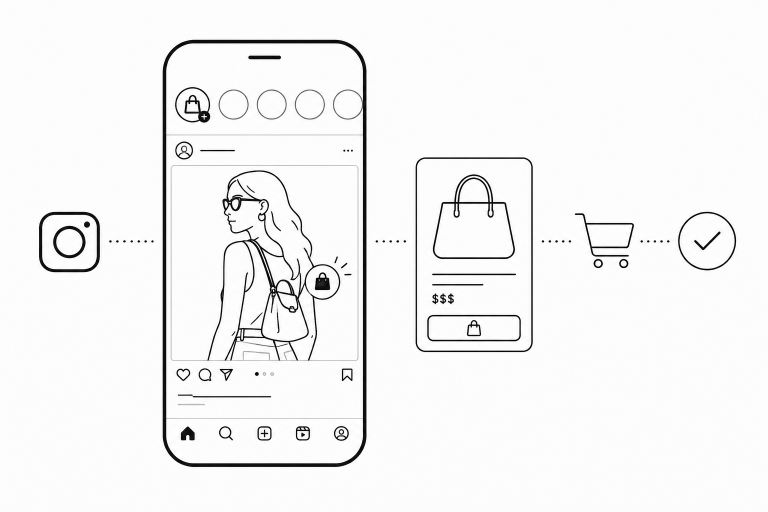
Instagram monetization, by contrast, is relationship-driven. Instagram creators earn primarily through brand deals, sponsorships, affiliate marketing, subscriptions, and shoppable content. Revenue is less tied to raw view counts and more closely tied to audience demographics, engagement metrics, and purchasing intent.
In practice, income on both platforms varies by niche, region, eligibility status, and content type—but the path to reliable monetization is markedly different.
How Instagram Monetization Works
Instagram monetization is best understood as an ecosystem rather than a single payout mechanism. The platform enables creators to monetize trust, influence, and commerce rather than just attention.
Brand Partnerships and Sponsored Content
Instagram’s Branded Content tools formalize brand partnerships and sponsored posts, allowing creators and brands to disclose paid relationships transparently. According to official documentation from Instagram Creators, brands pay creators directly, with pricing influenced by engagement rate, audience quality, and content format rather than follower count alone.
Source
This maturity in influencer marketing is why brand deals on Instagram tend to be more consistent and higher-value than equivalent TikTok sponsorships.
Affiliate Marketing and Product Promotion
Instagram affiliate marketing enables creators to earn commissions by promoting products through links, Stories, Reels, and shopping tags. Case studies like the Lulus & Campbell Pucket partnership show how UGC examples on Instagram can generate measurable engagement and conversion when paired with lifestyle-driven content.
Source
Affiliate income on Instagram benefits from higher buyer intent and longer content lifespan compared to TikTok.
Subscriptions and Exclusive Content
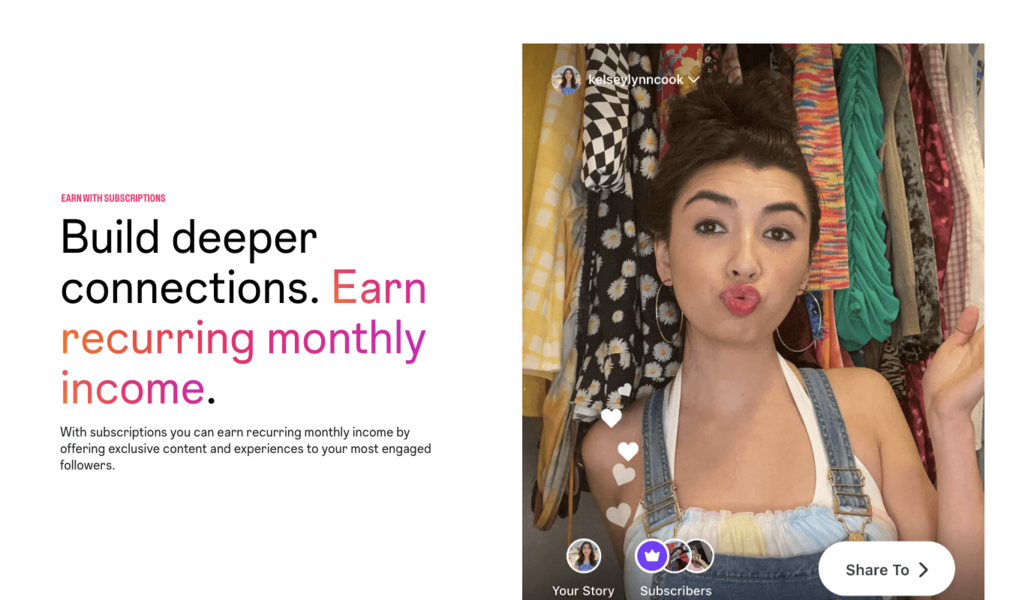
Instagram subscriptions allow creators to offer exclusive content to paying subscribers, creating recurring revenue streams similar to channel memberships on other platforms. This model rewards retention, trust, and niche expertise rather than viral reach.
Shopping Integrations and Shoppable Content
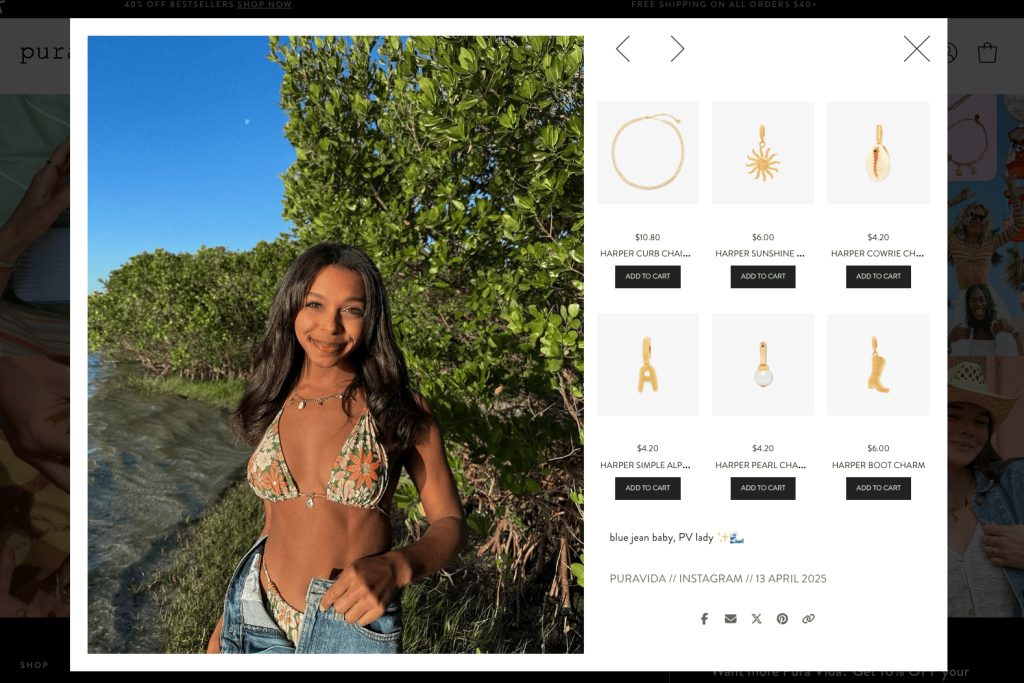
Instagram shopping integrations allow creators and brands to link Shopify to Instagram, tag products, and build shoppable galleries. Platforms like Foursixty extend this functionality by embedding shoppable Instagram posts, shoppable UGC, and shoppable content directly into ecommerce sites—driving traffic back to Instagram while improving conversion.
Foursixty case studies, including Pura Vida, demonstrate how shoppable Instagram galleries can significantly increase revenue per visitor by turning social proof into purchase pathways.
Bonuses and Incentives
Instagram has periodically offered Reels bonuses and cash incentive programs, with reports of payouts reaching up to $50,000 per month for select creators. While not permanent, these programs show Instagram’s willingness to invest directly in creator monetization to compete with TikTok.
How TikTok Monetization Works
TikTok monetization is more centralized and platform-controlled, with earnings tied closely to views, watch time, and real-time engagement.
Creator Fund and Rewards Programs

TikTok’s Creator Fund and subsequent rewards initiatives pay creators based on RPM and CPM models, with reported payouts typically ranging from $0.40 to $1 per 1,000 views. These payouts are influenced by geography, ad revenue availability, and retention.
Source
While these payouts provide transparency, they rarely constitute a full-time income on their own.
TikTok Shop and Affiliate Marketing
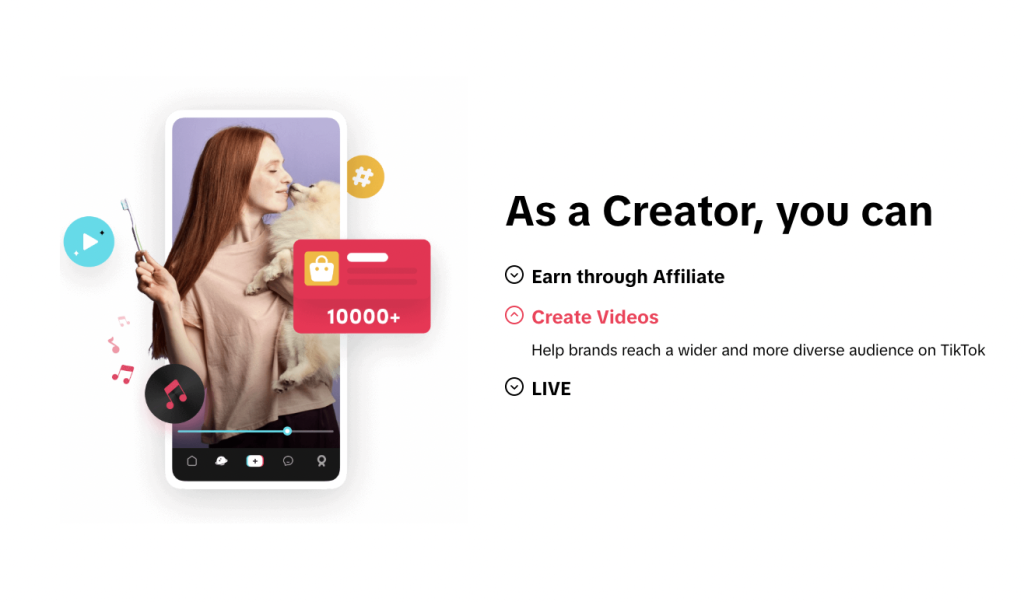
TikTok Shop has emerged as one of the platform’s strongest monetization options. Creators earn commissions by promoting products directly within videos and live streams. Documented examples show creators earning tens of thousands per month through TikTok Shop affiliate marketing.
Sources: (1), (2)
This model thrives on impulse buying and trend-driven discovery.
Live Streams, Live Gifts, and Virtual Gifts
During live streams, creators earn through live gifts and virtual gifts, similar to super chats on YouTube. This model rewards real-time interaction but requires consistent live engagement and audience participation.
Brand Deals and Sponsorships
TikTok brand deals exist, but they are often tied to short campaign cycles and viral moments. Brands may prioritize TikTok for awareness, but many shift conversion-focused budgets to Instagram.
Instagram vs TikTok Monetization Compared
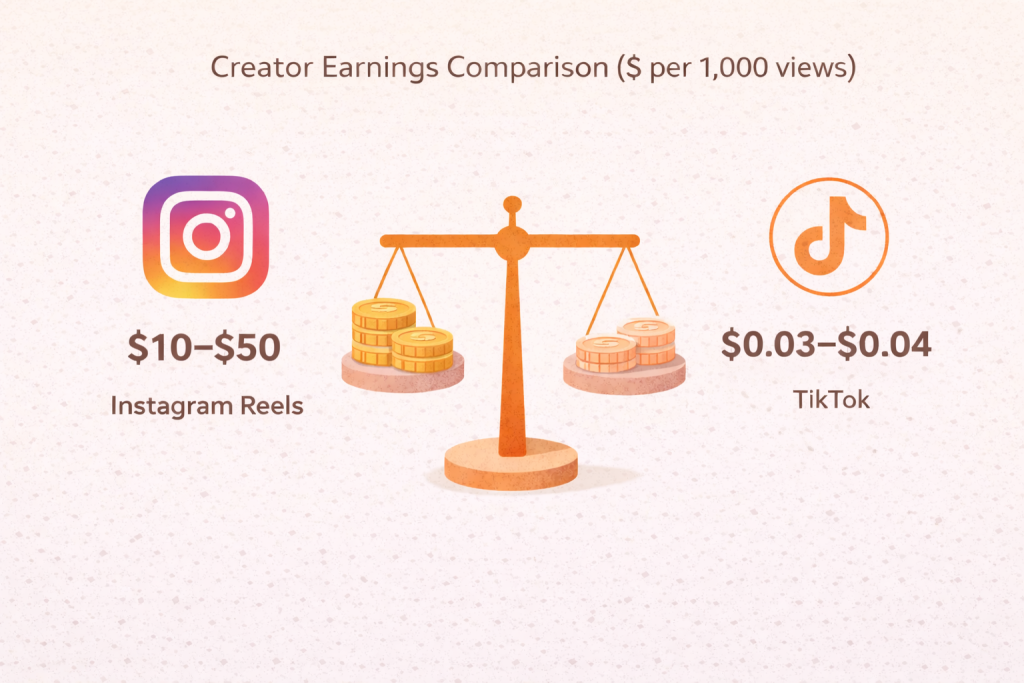
Earnings Potential
TikTok offers faster payouts but lower income stability due to reliance on volume and trends. Instagram offers higher earning potential per post, especially for macro vs. micro influencers on Instagram with defined Instagram niches and strong engagement metrics.
Audience Intent and Buyer Behavior
Instagram users are more purchase-ready, engaging with tutorials, product demos, and shoppable content. TikTok audiences are discovery-first, favoring entertainment and impulse-driven behavior.
Algorithm and Reach Impact on Monetization
TikTok’s algorithm enables rapid reach but inconsistent retention. Instagram’s algorithm emphasizes retention, interaction, and long-term content performance—supporting predictable monetization.
Brand Deal Opportunities
Brands trust Instagram more for long-term influencer marketing due to established norms, demographic targeting, and performance tracking.
Content Longevity
TikTok videos often peak quickly, while Instagram content—feed posts, stories, and reels—can drive engagement and revenue over extended periods, especially when integrated with shoppable galleries.
Instagram vs TikTok Monetization — Pros and Cons
You can place this section after “Instagram vs TikTok Monetization Compared” or before the Final Verdict.
Instagram Monetization — Pros
- Stronger brand partnerships and sponsorships
Instagram has a mature influencer marketing ecosystem, making brand deals on Instagram more predictable and higher value, especially for creators with strong demographics and engagement metrics. - More diversified revenue streams
Instagram monetization includes affiliate marketing, subscriptions, sponsored content, shoppable Instagram features, shopping integrations, and bonuses — reducing reliance on any single income source. - Higher buyer intent
Instagram users are more accustomed to shopping, tutorials, and lifestyle-driven content, which improves conversion rates for shoppable UGC and affiliate links. - Longer content lifespan
Feed posts, Instagram Reels, and Stories can continue driving engagement and revenue weeks or months after posting, especially when embedded in shoppable galleries or evergreen campaigns. - Greater control over monetization
Creators negotiate pricing, choose partnerships, and build subscriber-based income rather than relying solely on platform-set payouts.
Instagram Monetization — Cons
- Slower initial growth
Instagram’s algorithm prioritizes retention and interaction history, making it harder for new creators to scale quickly compared to TikTok. - Less direct platform payouts
Unlike TikTok, Instagram monetization relies more heavily on off-platform income such as sponsorships and affiliate marketing. - Higher production expectations
Brands often expect polished, high-quality content, which can increase time and resource investment.
TikTok Monetization — Pros

- Faster discovery and virality
TikTok’s algorithm makes it easier for new creators to reach large audiences quickly, even without an established follower base. - Direct payouts and platform rewards
Programs like the Creator Fund, rewards initiatives, and live gifts provide measurable payouts tied to views, watch time, and engagement. - Strong live monetization tools
Live streams, virtual gifts, and super chats-style features allow real-time monetization from engaged audiences. - Powerful affiliate and commerce tools
TikTok Shop enables creators to earn commissions through impulse-driven purchases and trend-based content.
TikTok Monetization — Cons
- Lower RPM and CPM stability
Reported payouts per 1,000 views are relatively low and can fluctuate based on region, ad revenue availability, and eligibility. - Short content lifespan
TikTok content often peaks quickly and loses visibility within days, limiting long-term revenue potential. - Revenue volatility
Income is heavily influenced by trends, algorithm shifts, and posting frequency, making earnings less predictable. - Weaker long-term brand trust
Some advertisers still view TikTok primarily as an awareness channel rather than a conversion or retention platform.
Which Platform Is Better for Different Creator Types?
- Beginners: TikTok for exposure and learning content-market fit
- Influencers: Instagram for sponsorships and monetization stability
- Educators and coaches: Instagram for tutorials and retention
- Small businesses: Instagram shopping integrations and UGC
- Digital product sellers: Instagram subscriptions and affiliate funnels
Many successful creators use TikTok for growth and Instagram for monetization depth.
Instagram vs TikTok Monetization — Final Verdict
TikTok monetization excels at speed, experimentation, and discovery. Instagram monetization excels at sustainability, commerce, and brand value. Creators who understand both systems—and connect them strategically—build the most resilient revenue streams in modern social media.
If you’re investing in Instagram or Tiktok monetization, Foursixty helps brands and creators turn high-performing Instagram or Tiktok posts into shoppable experiences that drive traffic back to your site, reinforcing engagement, extending content lifespan, and unlocking more value from every post.
Get started with Foursixty Now!
FAQs
Is it better to post on TikTok or Instagram?
It depends on your goals and monetization strategy. TikTok excels at rapid discovery through short-form video, often delivering high reach quickly due to its algorithm, but that reach can be volatile. Instagram, by contrast, offers stronger retention and more consistent monetization through brand partnerships, Instagram subscriptions, affiliate marketing, and shoppable content that compounds over time.
Which platform pays most to creators?
In practice, Instagram often pays more overall—just not always directly. While TikTok offers platform payouts through the Creator Fund and rewards programs with measurable RPM, Instagram creators tend to earn more via brand deals, sponsored posts, and affiliate marketing, especially once they build a defined target audience and strong personal branding.
Is it better to sell on Instagram or TikTok?
Instagram is generally better for sustained selling because users are more purchase-ready and familiar with shopping integrations like product tagging, shoppable galleries, and Shopify connections. TikTok Shop can drive explosive impulse sales, but those results are often trend-dependent and less predictable. Many brands use TikTok for discovery and Instagram for conversion and retention.
How much does TikTok pay for 1,000 views?
Based on reported data from creator earnings breakdowns, TikTok payouts typically range from approximately $0.40 to $1.00 per 1,000 views, depending on RPM, watch time, geography, and eligibility. These payouts come from programs like the Creator Fund or newer rewards initiatives and should be viewed as supplemental rather than primary revenue.
How much does TikTok pay in 2025?
In 2025, TikTok’s monetization has shifted further toward commerce and affiliate-driven revenue streams such as TikTok Shop, live streams, and sponsored content. While RPM-based payouts remain relatively modest, creators earning meaningful income are increasingly doing so through affiliate marketing, brand deals, and live gifts rather than ad revenue alone.
Which social media platform pays the most in 2025?
For creators with high-quality content and defined demographics, Instagram typically pays more over the long term. Its mature influencer ecosystem, stronger advertiser trust, and multiple monetization options—such as subscriptions, sponsorships, and shoppable Instagram features—provide more stable revenue streams than most other social media platforms.
Which social media platform is worth building?
TikTok is often worth building for growth and visibility, especially early on, because its algorithm can surface new creators quickly. Instagram is worth building for monetization durability, audience retention, and brand value. The strongest strategy is often to build both, using TikTok for reach and Instagram for revenue.
How much do you think influencers make?
Influencer income varies widely based on niche, content type, audience size, and engagement metrics. Some micro creators earn a few thousand dollars per year through affiliate marketing, while established influencers can generate six or even seven figures annually through brand partnerships, sponsored content, and diversified revenue streams.
Is it easier to go viral on TikTok or Instagram for brand deals?
It is generally easier to go viral on TikTok due to its discovery-first algorithm and emphasis on watch time. However, virality alone does not guarantee brand deals; brands often prefer Instagram creators because engagement, audience intent, and content longevity make campaign performance more predictable.
Which platform has the best monetization?
Instagram currently offers the most balanced monetization ecosystem. While TikTok provides more direct platform payouts and experimentation, Instagram’s combination of brand deals, affiliate marketing, subscriptions, and shopping integrations gives creators greater income control and long-term stability.
How do Instagram and TikTok monetization options compare?
Instagram monetization is primarily relationship-driven, relying on brand partnerships, affiliate links, and shoppable content rather than fixed payouts. TikTok monetization includes direct payouts, live gifts, and TikTok Shop commissions, but often requires higher volume and constant output to maintain income.
How do Instagram and TikTok differ in their monetization strategies for creators?
Instagram focuses on helping creators monetize trust, influence, and long-term audience relationships through sponsorships and commerce. TikTok focuses on monetizing attention at scale, rewarding watch time, live engagement, and trend participation through platform-native tools.
What are the key differences in monetization between Instagram and TikTok?
The key difference is income reliability versus speed. TikTok can generate rapid exposure and short-term revenue spikes, while Instagram is better suited for building sustainable monetization through brand deals on Instagram, shoppable UGC, subscriptions, and evergreen content tied to a creator’s personal brand.
[Some of these images were generated using ChatGPT.com]