Quick Summary
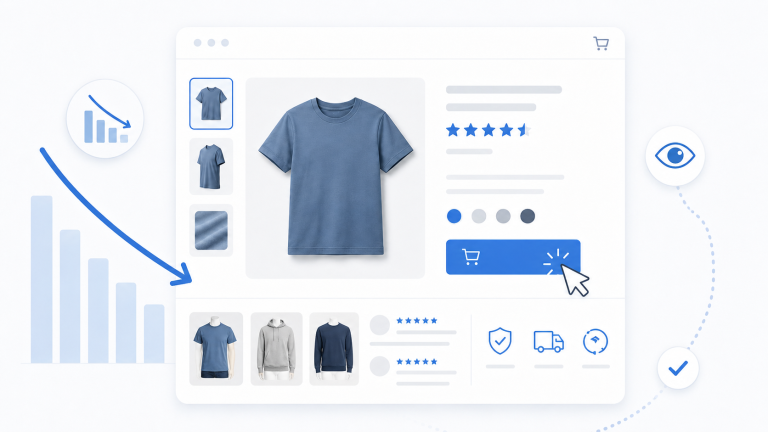
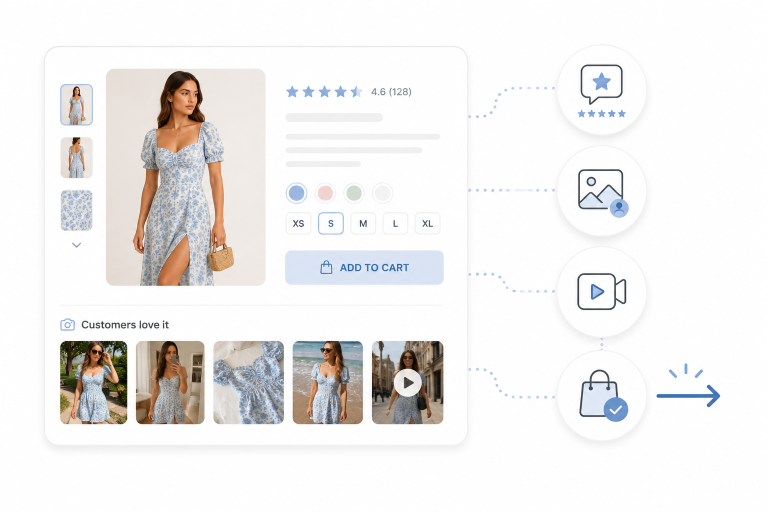
To use UGC on product pages, add verified customer reviews, star ratings, customer photos, customer videos, social media posts, Q&A, testimonials, fit feedback, use-case examples, and before-and-after content where appropriate. The strongest UGC on PDPs appears close to the decisions shoppers are making: near the product title, shoppable image gallery, add-to-cart button, product descriptions, size or variant selectors, and full review section. When done well, user-generated content helps customers see the product through the eyes of real buyers, not just through the lens of brand-controlled merchandising.
UGC works because it lowers uncertainty. A product detail page can tell a shopper what a product is, but UGC shows how that product behaves in real life. Customer photos show fit, scale, colour, styling, and texture. Product reviews explain what buyers loved, what surprised them, and what did not meet expectations. Shoppable UGC videos can demonstrate movement, assembly, unboxing, results, or use in ways that static PDP content often cannot.
For experienced ecommerce and marketing leaders, the strategic question is not simply “Should we add UGC to product pages?” The better question is: “Where does doubt appear in the customer journey, and what kind of customer evidence resolves it?” A shopper may trust the brand but doubt the fit. They may like the product but hesitate because there are not enough customer reviews. They may scroll past polished creative because they want to see customer photos from people who look like them. UGC for PDP conversions works when it answers these doubts before they interrupt the buying decision.
This is why UGC marketing, shoppable content, and shoppable social have become central to modern PDP optimization. Social shopping has changed how people discover products, but discovery alone does not complete the sale. The product page still has to convert interest into confidence. Brands that use UGC well bring social proof, customer engagement, visual UGC, reviews, and shoppable posts directly into the product page experience so shoppers can move from inspiration to action without losing trust.
What Is UGC on PDPs?
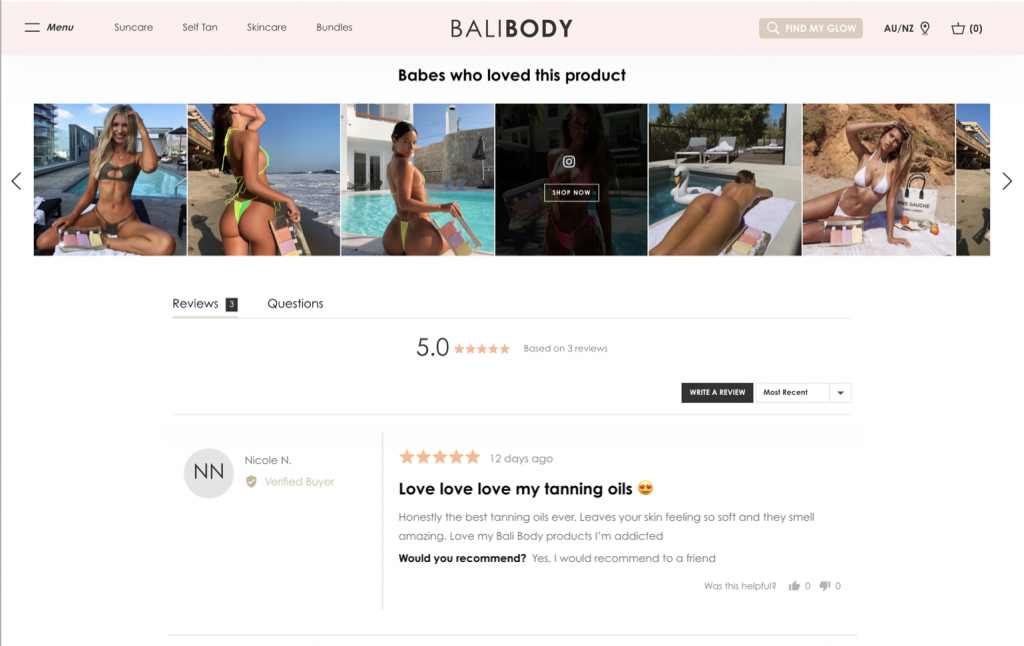
UGC on PDPs means user-generated content displayed on product detail pages. It includes customer reviews, star ratings, customer photos, customer videos, Q&A content, testimonials, social media posts, visual UGC, product reviews, UGC videos, and real-life product usage examples submitted by shoppers, customers, brand ambassadors, micro-influencers, or UGC creators. PDP stands for product detail page, which is the page where a shopper evaluates a specific product before adding it to cart.
The distinction matters because not every piece of user-generated content belongs on a product page. A lifestyle post that creates brand awareness on Instagram may not necessarily help someone choose a size, colour, bundle, or variant on a PDP. The best UGC for product pages is specific enough to help with a purchase decision. It shows the product in use, explains what real customers experienced, and gives shoppers more confidence that the product will meet their expectations.
UGC also carries a different kind of credibility than brand content. Product descriptions are necessary, but they are written by the company. Campaign photography is useful, but it is styled, lit, and curated. Customer photos and customer reviews feel different because they come from people who have already taken the risk of buying. That is why UGC can strengthen brand trust when it is authentic, relevant, and transparently moderated.
For ecommerce teams, UGC should be treated as conversion content. It is not just a social media strategy, a community tactic, or a brand awareness asset. It is PDP content that can influence customer confidence, add-to-cart rate, product page conversion rate, review interaction, and average order value. When UGC is connected to shoppable content and product tagging, it can also shorten the distance between social discovery and purchase.
Why UGC Matters for Product Page Trust

UGC matters because product pages are where brand promise meets purchase anxiety. A customer may arrive on a product page after seeing an Instagram Reel, a TikTok shop post, a paid ad, a creator campaign, a search result, or a recommendation from a friend. At that point, they are not only asking whether the product looks good. They are asking whether it will work for them. That is where UGC becomes useful.
A strong PDP usually needs to answer several questions at once:
- Does this product look the same outside studio photography?
- Have real customers bought it and liked it?
- How does it fit, feel, perform, or hold up over time?
- Are there customer photos or UGC videos that show scale or usage?
- Are the reviews recent, verified, and specific?
- Are there enough product reviews to create confidence?
- Does the product page show both positive and critical feedback?
- Can I trust the brand, checkout experience, and return process?
Baymard’s ecommerce UX research is useful here because it shows that many product pages still underperform on core decision-support content. A product page can look modern while still failing to answer shopper questions. If the PDP lacks detail, proof, review depth, or real-world imagery, customers are forced to keep researching elsewhere.
UGC helps keep more of that research on your own ecommerce website. Instead of sending shoppers to Reddit, TikTok, YouTube, Trustpilot, or competitor pages to validate the product, you bring customer evidence into the PDP itself. This does not mean hiding criticism or over-curating praise. It means giving shoppers enough authentic evidence to make an informed decision.
What breaks when UGC is done incorrectly is trust. If a brand only shows five-star testimonials, uses fake-looking reviews, hides review dates, or publishes social media posts without usage rights, the page can feel less credible. The FTC’s consumer review and testimonial guidance is important because review authenticity is not just a UX conversion issue. It is also a compliance and brand safety issue.
Quick Checklist: What UGC to Add to Product Pages
UGC should support the customer’s buying decision, not simply decorate the page. The most useful types of UGC depend on the category, purchase risk, product complexity, and how customers evaluate quality. Apparel shoppers may need fit photos and body-type feedback. Beauty shoppers may need shade references, skin type filters, and realistic before-and-after content. Home shoppers may need customer room photos, dimensions in context, and assembly feedback.
A practical PDP UGC checklist looks like this:
| UGC Type | Best Use on PDPs | Trust Benefit |
| Star ratings | Near product title and price | Fast social proof |
| Verified reviews | Below product summary and in review section | Real buyer experience |
| Customer photos | Image gallery and review area | Shows product in real life |
| Customer videos | Gallery, carousel, or review section | Demonstrates usage and scale |
| Q&A content | Below product details | Answers buying objections |
| Social media posts | Lifestyle or inspiration section | Shows broader customer adoption |
| Fit or sizing feedback | Apparel, footwear, accessories | Reduces return risk |
| Before-and-after content | Beauty, home, fitness, cleaning products | Shows product outcome |
| Use-case stories | Complex or higher-ticket products | Helps shoppers imagine ownership |
| Shoppable posts | Product gallery or social proof module | Turns inspiration into action |
This checklist works because each format solves a different problem. Star ratings create quick confidence. Customer reviews provide depth. Customer photos help with visual expectation. UGC videos explain motion, texture, scale, or assembly. Q&A reduces unanswered objections. Shoppable instagram feeds and shoppable posts connect social discovery to product-level evaluation.
The tradeoff is that more UGC is not always better. If the content is irrelevant, stale, low-quality, or mismatched to the product, it can create noise. A customer viewing a black dress does not need a generic Instagram gallery showing unrelated accessories. A shopper evaluating a sofa does not need lifestyle content if they are looking for fabric, dimensions, colour accuracy, and room-scale examples. Good UGC strategy is selective, not indiscriminate.
Customer Reviews and Ratings: The Foundation of PDP Trust
Customer reviews are usually the most important form of UGC on product pages because they give shoppers a first-hand account of product experience. A brand can describe a product as premium, flattering, durable, soft, effective, or easy to use, but shoppers often want to know whether customers agree. Product reviews create a layer of accountability that brand copy cannot replicate. They help shoppers understand what people liked, what disappointed them, and what patterns appear across many buyers.
A strong review implementation should include:
- Average star rating
- Total review count
- Verified buyer labels
- Review dates
- Review filtering
- Helpful votes
- Review photos and videos
- A mix of positive and critical feedback
- Clear disclosure for incentivized reviews
- Product variant, size, or use-case context where relevant
The difference between weak and strong review content is specificity. “Customers love this product” is a weak claim because it is vague and brand-controlled. “Rated 4.8 stars from 1,247 verified buyers” is stronger because it provides rating, review volume, and proof of purchase. A better implementation goes further by summarizing review themes, such as “customers frequently mention soft fabric, accurate sizing, and colour matching the photos.”
Review volume also matters. A product with three five-star reviews may technically look perfect, but it may not feel reliable. A product with hundreds of reviews, visible dates, media uploads, and some reasonable criticism often feels more trustworthy. The presence of some negative reviews can help customers self-select and understand tradeoffs. Removing all criticism may protect the short-term look of the PDP, but it can damage long-term brand trust.
PowerReviews has published analysis on how UGC interaction affects conversion, including data from a large set of product pages. The broader lesson is useful for ecommerce leaders: UGC is not only valuable because it exists on a page. It is most valuable when shoppers interact with it during evaluation.
Customer Photos: The Proof That Studio Photography Cannot Provide
Customer photos help shoppers see how the product looks outside polished brand photography. This is especially important for categories where visual expectation drives satisfaction: apparel, swimwear, footwear, beauty, furniture, home decor, jewellery, accessories, and lifestyle products. Studio photography gives shoppers a controlled view of the product, but customer photos show how the product behaves in ordinary environments. They reveal fit, scale, colour, styling, lighting, proportion, and real-world use.

For fashion pdps, customer photos can answer questions that size charts cannot. A shopper may want to know how a dress fits on different heights, how a bikini looks on different body types, or whether a jacket falls oversized or true to size. For furniture, customer photos show how a sofa looks in a real living room instead of a showroom. For beauty, customer photos can show shade, texture, finish, and realistic outcomes across different skin tones or skin types.
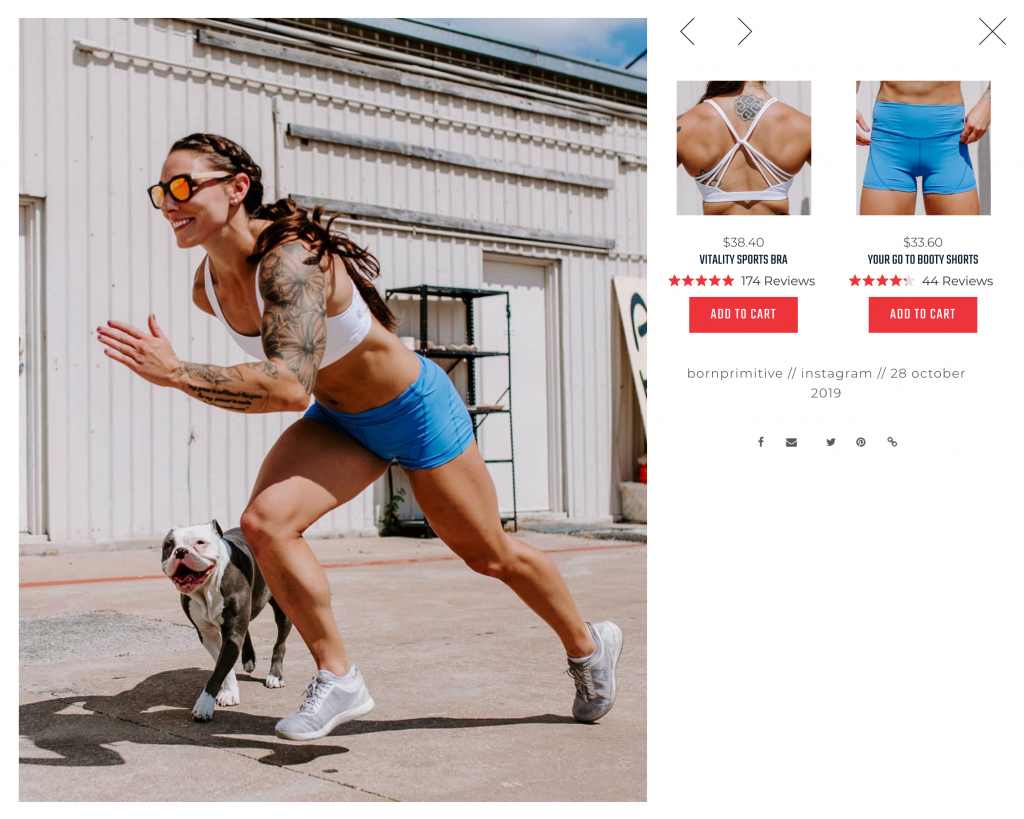
Customer photos should appear in more than one place. If they are hidden only at the bottom of the page, they may help late-stage evaluators but miss shoppers who are still deciding whether to keep scrolling. The strongest placements are usually the image gallery, the review section, and product-specific UGC modules near the product details. This allows customer photos to support both fast visual confidence and deeper evaluation.
The mistake is using customer photos as generic lifestyle decoration. UGC should match the product being viewed. A customer photo of a blue sofa should appear on the blue sofa variant. A product-tagged image of a black dress should not be used only in a generic homepage gallery. Relevance is what turns visual UGC into conversion content.
Customer Videos: When Shoppers Need Movement, Texture, Scale, or Proof
Customer videos are especially valuable when static images cannot answer the buyer’s question. A video can show how fabric moves, how a product is assembled, how packaging arrives, how a device is installed, how makeup applies, or how a product performs over time. UGC videos can also show scale more naturally than photos. A product may look one way in a studio image and very different when held, worn, opened, assembled, or used by a real customer.
Useful customer video formats include:
- Product demos
- Unboxing videos
- Styling ideas
- Assembly examples
- Installation walkthroughs
- Before-and-after results
- Durability or performance demonstrations
- Instagram Reels and TikTok-style usage clips
- User-generated videos from customers or creators
The strategic value of UGC videos is that they reduce interpretation work. Instead of asking the shopper to imagine how the product behaves, the video shows it. This is particularly important for higher-consideration products, products with tactile qualities, or products where use is part of the value proposition. If shoppers need to understand motion, size, texture, sequence, or effort, video can reduce hesitation faster than copy.
The tradeoff is authenticity. Highly polished influencer-style videos can help brand perception, but if every video feels scripted, shoppers may interpret it as advertising rather than customer proof. A balanced approach often works better: polished brand assets for clarity, micro-influencers and UGC creators for creative range, and real customer videos for trust. The mix matters because each type of content plays a different role in the customer journey.
Customer Q&A: The Objection Layer Product Descriptions Often Miss
Customer Q&A content helps product pages answer questions that product descriptions may miss. Even strong PDP content cannot anticipate every shopper’s situation. Customers may ask whether a product works with a specific device, whether a shade matches a particular undertone, whether an item runs small, whether assembly requires tools, or whether the product can be used in a certain environment. A Q&A section turns these questions into reusable conversion content.
Good Q&A topics include:
- Sizing
- Compatibility
- Shipping
- Materials
- Installation
- Care instructions
- Product dimensions
- What is included
- Variant differences
- Assembly requirements
- Ingredients or allergens
- Product use by scenario
The value of Q&A is not only the answer itself. It shows future shoppers that the brand understands real buying objections. A customer may not have the same exact question, but seeing specific answers can increase confidence that the brand is transparent and responsive. It also gives merchandising, product, and support teams a feedback loop. If the same questions appear repeatedly, the PDP content needs to be improved.
The implementation needs clear labeling. Answers should be marked as coming from the brand, support team, verified buyers, or customers. This helps shoppers evaluate authority and experience. A customer answer may be valuable for lived experience, while a brand answer may be necessary for policy, safety, compatibility, or technical accuracy.
Social UGC: Bringing Social Discovery Into the PDP
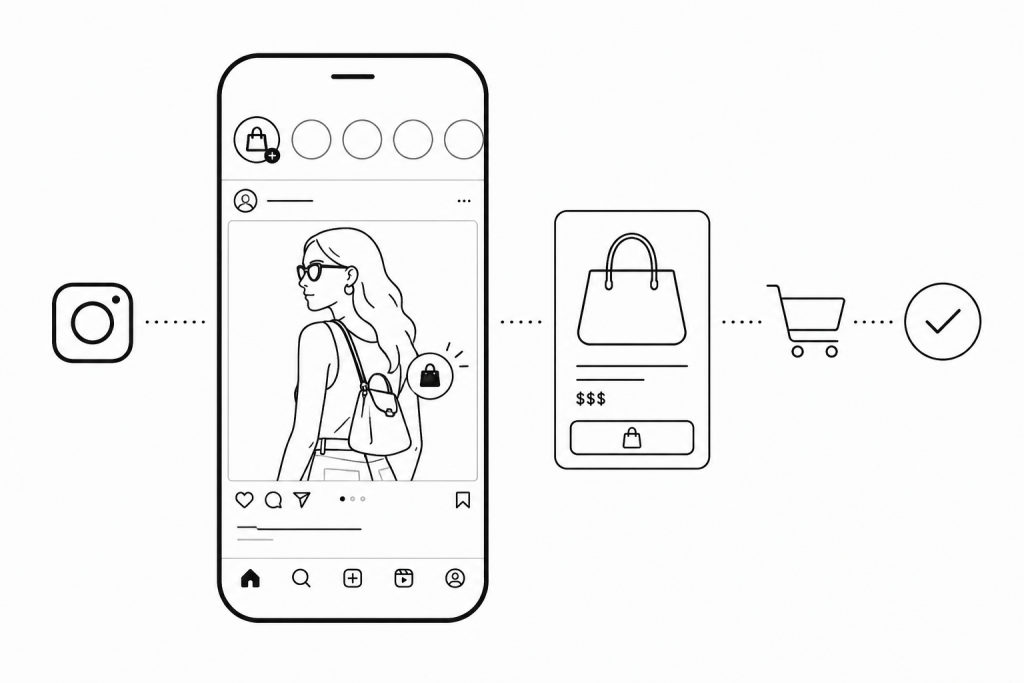
Social UGC includes social media posts, Instagram Reels, TikTok videos, creator content, tagged customer photos, and brand community content that can be displayed on product pages. It works because many shoppers now discover products socially before they evaluate them commercially. They see outfits, routines, rooms, recipes, hauls, unboxings, reviews, and creator recommendations before they ever land on the PDP. If the product page loses that context, the customer journey becomes fragmented.
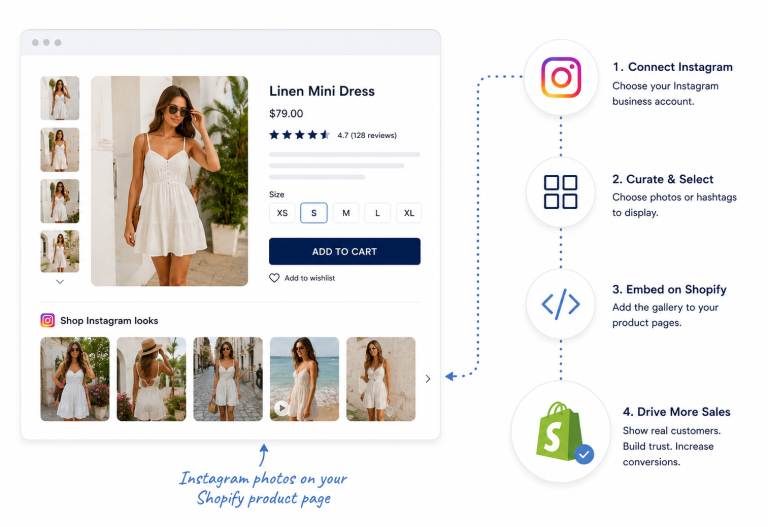
Shopify’s social commerce documentation reflects this shift by describing selling across social platforms and immersive digital environments. Shopify also provides guidance for setting up Facebook and Instagram by Meta, which is relevant for brands searching “how to add instagram photos to shopify” or “link shopify to Instagram“.
However, the technical setup is only the first layer. Linking Shopify to Instagram or enabling a sales channel does not automatically create a strong UGC strategy. Brands still need to decide which social media posts belong on which product pages, how rights management will work, how UGC campaigns will be moderated, and how shoppable content will be measured. The question is not simply whether a brand can display Instagram content. The question is whether that content helps shoppers buy with more confidence.
This is where platforms like Foursixty have become important in shoppable commerce. Foursixty helps brands turn social content into shoppable product experiences by connecting UGC, product tagging, social galleries, shoppable instagram feeds, and commerce measurement. The platform sits in a different strategic role than a basic review app because it helps bridge social discovery and PDP conversion. For teams evaluating Foursixty Alternatives, Yotpo, or another UGC platform, the decision should come down to use case: review collection, visual UGC, rights management, shoppable content, or full social commerce integration.
Where to Place UGC on a PDP
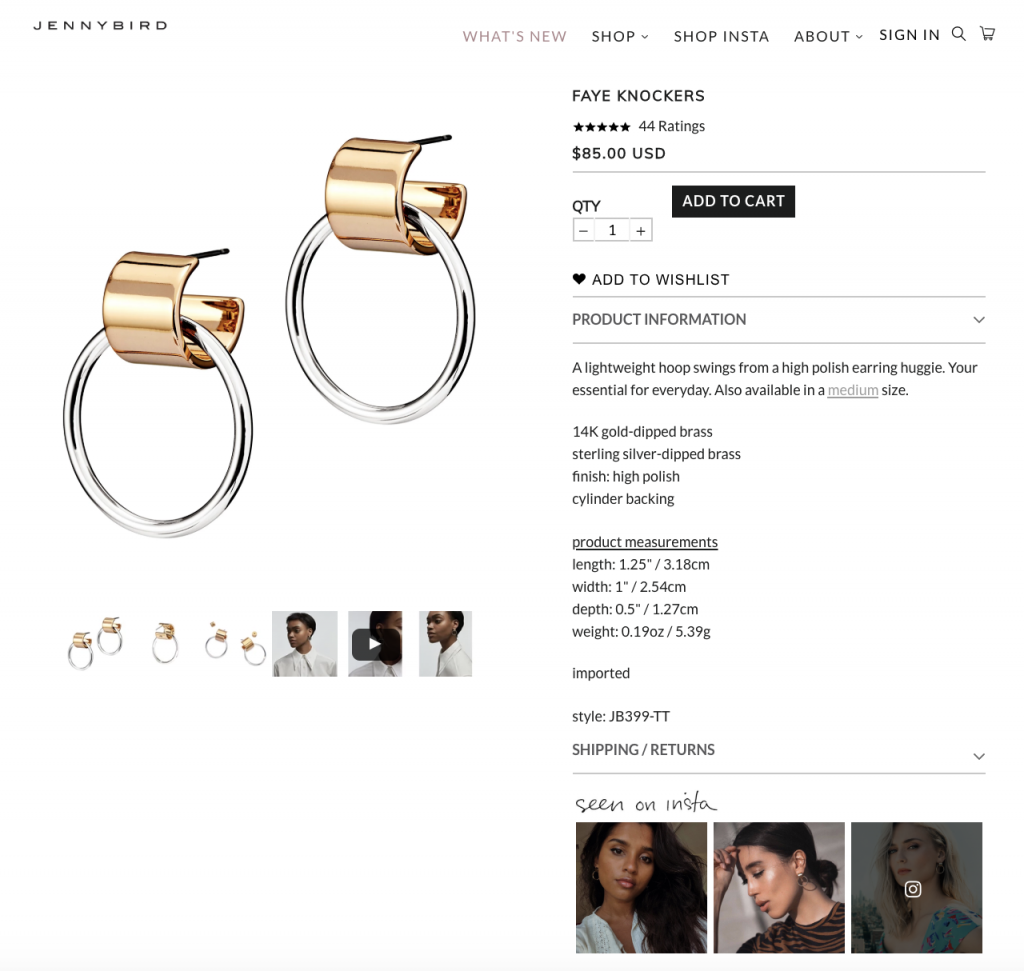
UGC should not be hidden at the bottom of the product page. If the best proof appears only after a customer has already lost interest, it is underused. The strongest PDPs distribute UGC throughout the page based on where customers need reassurance. A shopper needs quick proof near the title, visual proof near the image gallery, risk reduction near add-to-cart, and deeper evidence in the review section.
A useful PDP placement model looks like this:
| PDP Area | UGC to Use | Why It Works |
| Product title area | Star rating and review count | Gives immediate trust signal |
| Image gallery | Customer photos and videos | Shows real-life product appearance |
| Near add-to-cart button | Review summary, guarantee, top review quote | Reduces hesitation at decision point |
| Product description | Use-case quotes and customer outcomes | Supports claims with experience |
| Size or variant area | Fit feedback and customer photos by variant | Helps shoppers choose correctly |
| Below description | Q&A and review highlights | Answers objections |
| Review section | Full reviews, filters, media, ratings breakdown | Supports deeper evaluation |
| Related products area | UGC-backed recommendations | Helps comparison shopping |
This placement strategy works because UGC does different jobs at different moments. Star ratings near the product title help customers decide whether the product is worth evaluating. Customer photos in the gallery help them judge appearance. Fit feedback near the size selector reduces return risk. Review themes near add-to-cart can reduce last-second hesitation.
What breaks when placement is wrong is momentum. If a shopper has to scroll too far to find reviews, they may leave before reaching them. If UGC is visible but not tied to the exact product or variant, it may create confusion. If social posts appear as a generic carousel with no shoppable connection, they may increase interest without increasing add-to-cart rate. PDP optimization requires putting proof where proof is needed.
Weak vs Strong UGC Implementation
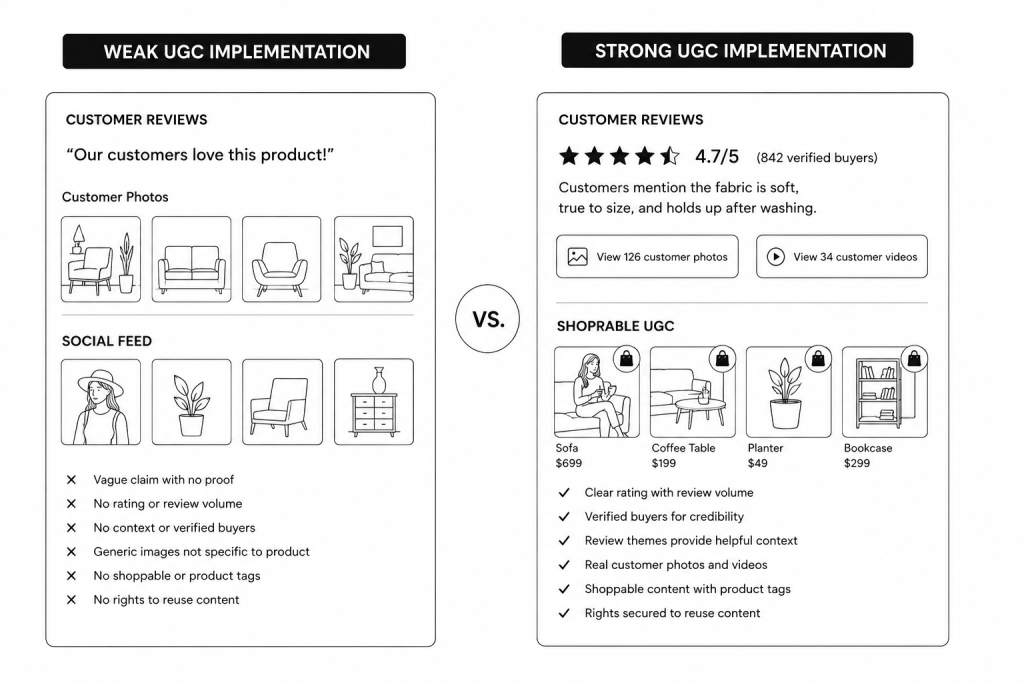
Weak UGC implementation usually relies on vague claims, generic galleries, or disconnected social content. A page that says “Our customers love this product” is not giving the shopper much to work with. The claim may be true, but it is not verifiable. It lacks review volume, rating detail, buyer context, and visual evidence.
A stronger implementation would say:
“Rated 4.7/5 by 842 verified buyers. Customers mention the fabric is soft, true to size, and holds up after washing. View 126 customer photos and 34 customer videos.”
This version is stronger because it includes star ratings, review volume, verified experience, review themes, and visual proof. It helps the shopper make a decision instead of asking them to accept a brand claim. It also creates a path into deeper engagement for customers who want to inspect photos, videos, or critical reviews.
The same principle applies to shoppable posts. A weak implementation embeds a feed of attractive social content that may or may not relate to the product. A strong implementation shows product-specific social media posts, tags the items in the content, secures rights to reuse it, and lets the shopper move from inspiration to purchase. That is the difference between UGC as decoration and UGC as conversion content.
How to Use UGC on Product Pages
Step 1: Collect UGC After Purchase
The best UGC systems begin after the customer has had time to experience the product. Asking too early can create shallow reviews because the customer has not yet used the item. Asking too late can reduce participation because the purchase is no longer top of mind. The timing should match the category: apparel may need only a few days after delivery, while skincare, fitness, electronics, or home products may need more time.
Good collection methods include:
- Post-purchase review emails
- SMS review requests
- QR codes in packaging
- Loyalty rewards
- Review prompts inside customer accounts
- Social media hashtag campaigns
- Community prompts
- Post-purchase surveys
- Creator seeding programs
The request should be specific. Instead of asking only “Leave a review,” ask for details that help future shoppers: fit, quality, size purchased, skin type, room type, setup time, use case, or what surprised the customer. Specific prompts produce more useful PDP content. They also make review filtering and theme summaries more valuable.
Step 2: Get Permission to Reuse Content
For customer photos, videos, Instagram Reels, TikTok posts, and other social UGC, brands should obtain permission before using the content on product pages or in marketing campaigns. Rights management is part of trustworthy UGC strategy. It protects the brand legally, but it also respects the customer relationship. People may be happy to share content socially but still want control over how a brand uses it.
A responsible rights process should include:
- Clear consent language
- A documented rights request process
- Attribution preferences
- Usage scope
- Removal request process
- Disclosure where content is incentivized
- Internal tracking of approved assets
This is where an organized UGC platform becomes useful. As UGC campaigns scale, rights management becomes harder to handle manually. A spreadsheet may work for a few assets, but it does not scale across thousands of customer photos, social media posts, product variants, and markets. Brand safety depends on having systems that prevent unapproved or misleading content from going live.
Step 3: Moderate for Quality and Relevance
Moderation should remove spam, abusive content, irrelevant content, personally sensitive information, and content that creates legal or safety risks. But moderation should not become review sanitization. Removing legitimate criticism simply because it is negative can make the review profile less trustworthy. A page with only glowing reviews may look less credible than one with a realistic mix of praise, tradeoffs, and brand responses.
The FTC’s review guidance is important here because brands need to avoid misleading review practices. Incentivized reviews should not imply that only positive reviews qualify for rewards, and fake or manipulated testimonials create serious trust and compliance risk.
Good moderation protects the usefulness of the PDP. It keeps the content relevant to the product, safe for the brand, and honest enough to remain believable. The goal is not to create a perfect review profile. The goal is to create a trustworthy one.
Step 4: Match UGC to the Right Product Variant
Variant-level matching is one of the most important details in UGC implementation. If a customer uploads a photo of the blue version of a sofa, that photo should appear on the blue variant. If someone posts a video wearing a size medium in a specific dress, that context should be captured. If a skincare customer submits feedback for oily skin, that detail should be filterable.
This matters because shoppers are often deciding between options, not simply deciding whether to buy. Colour, size, fit, finish, fabric, bundle, shade, flavour, and style can all change the purchase decision. Product-matched UGC helps customers choose correctly, which can improve customer satisfaction and reduce returns.
When variant matching is ignored, UGC can create confusion. A shopper may see a customer photo and assume it represents the variant they selected when it actually does not. That creates expectation mismatch. The more visual or fit-sensitive the category, the more important variant-level tagging becomes.
Step 5: Highlight Review Themes
Review themes help shoppers understand patterns quickly. Instead of forcing customers to read dozens of reviews, the PDP can summarize what buyers consistently mention. This can include fit, softness, durability, ease of setup, colour accuracy, packaging, delivery experience, or product quality. The goal is not to replace reviews, but to make the review profile easier to interpret.
For example:
“Customers frequently mention: true-to-size fit, soft fabric, accurate colour, and fast delivery.”
This kind of summary is valuable because it turns scattered customer feedback into decision-support content. It also helps ecommerce teams understand what customers actually value. If review themes differ from the brand’s intended positioning, that is useful information. Customers may be buying for reasons the brand is not emphasizing enough.
AI for PDPs can help identify recurring review themes, but human oversight is important. Automated summaries should not exaggerate, hide important criticism, or overstate outcomes. The best AI use cases are pattern detection, tagging, and content organization, not manufacturing social proof.
Step 6: Make UGC Filterable
Filtering helps shoppers find the UGC most relevant to their situation. A customer buying jeans may want reviews from people with similar height or body type. A skincare shopper may want feedback from people with dry, oily, sensitive, or acne-prone skin. A furniture shopper may want photos from apartments, small rooms, or homes with pets. Without filters, review volume can become overwhelming.
Useful filters include:
- Rating
- Verified buyer
- Most recent
- Most helpful
- Photos/videos
- Size purchased
- Body type
- Skin type
- Room type
- Use case
- Product variant
- Experience level
- Age range where relevant and appropriate
The best filters depend on the category. Apparel, beauty, home, electronics, food, and fitness products each require different decision attributes. A generic review filter may technically work, but category-specific filters create better customer experience. They help shoppers find people like them, which is one of the strongest psychological benefits of UGC.
Step 7: Measure UGC Performance
UGC should be measured as part of PDP performance, not only as social engagement. Likes, comments, and shares matter for brand awareness, but product pages need commerce metrics. Ecommerce leaders should track how UGC affects add-to-cart rate, product page conversion rate, review interaction, media engagement, scroll depth, return rate, and revenue per visitor. If shoppable content examples are involved, influenced revenue and click-through to point of sale also matter.
Useful metrics include:
- Add-to-cart rate
- Conversion rate
- Product page conversion rate
- Review interaction rate
- Photo and video engagement
- Shoppable content click-through
- Scroll depth
- Return rate
- Review submission rate
- Revenue per visitor
- Average order value
- Revenue influenced by UGC engagement
A/B testing can help, but teams need to test thoughtfully. Testing one UGC module may not reveal much if the content is generic or poorly placed. Testing product-specific UGC near the image gallery, review summary near add-to-cart, and filterable reviews lower on the page gives a better read on how UGC supports the full customer journey. The goal is not to prove that UGC exists. The goal is to understand where it changes behaviour.
Product-Specific UGC Examples by Ecommerce Category
Apparel and Fashion
Apparel is one of the clearest use cases for UGC because customers are evaluating fit, styling, fabric, body context, and confidence. Product photos on models are useful, but they rarely represent the full range of customers. UGC gives shoppers more ways to see themselves in the product. This is especially important for fashion pdps, where product confidence often depends on real-life styling.
Apparel PDPs should use:
- Fit reviews
- Customer photos by size
- Height and body-type filters
- “Runs small / true to size / runs large” summaries
- Customer videos showing movement
- Shoppable posts showing full outfits
- UGC from micro-influencers or brand ambassadors
The strategic opportunity is to connect individual products to complete looks. Babyboo’s “Shop The Look” approach is a strong example because it recognized that customers were not always buying single products. They were building outfits. By making entire looks shoppable from campaign imagery and blending brand content with Foursixty UGC, Babyboo created a more immersive path from inspiration to purchase. The app generated a 11% increase in average order value, more than 250,000 downloads, and 15% of total revenue.
Beauty and Skincare
Beauty and skincare shoppers often need evidence of shade, texture, usage experience, skin compatibility, and realistic outcomes. Brand claims can introduce the product, but customer reviews and visual UGC help shoppers evaluate whether the product works for people like them. Before-and-after content can be powerful, but it must be realistic, compliant, and not misleading. This is especially important in categories where claims can affect customer expectations or well-being.
Beauty PDPs should use:
- Skin type filters
- Shade photos
- Customer photos in natural light
- Before-and-after images where appropriate and compliant
- Usage duration
- Sensitivity feedback
- Texture and finish videos
- Routine integration examples
The mistake is using only polished creator content. Influencer marketing can generate awareness and aspiration, but shoppers may still want evidence from ordinary customers. A balanced beauty PDP uses product education, customer reviews, UGC videos, and clear disclosure when content is gifted, paid, or incentivized. That balance protects both conversion and trust.
Furniture and Home Decor
Furniture and home decor customers need help visualizing scale, colour, material, and fit inside real spaces. Studio images rarely show enough context. A sofa that looks compact in a large studio may dominate a small apartment. A rug may look warmer or cooler depending on lighting. Customer room photos help shoppers calibrate expectations.
Furniture and home PDPs should use:
- Customer room photos
- Dimensions in context
- Assembly feedback
- Delivery experience
- Material and colour accuracy comments
- Pet or family use cases
- Long-term durability reviews
- Video walkthroughs
The trust benefit is expectation alignment. When shoppers understand scale and real-world appearance, they are more likely to choose correctly. That can reduce return risk and improve customer satisfaction. UGC is especially useful when the cost of a wrong purchase is high.
Electronics
Electronics shoppers often need proof of setup ease, compatibility, durability, and performance. A product description can list technical specifications, but customers want to know whether the product actually works in their environment. Q&A content becomes especially valuable because compatibility questions tend to be specific. UGC videos can also show setup, installation, and everyday use.
Electronics PDPs should use:
- Setup experience reviews
- Compatibility Q&A
- Durability feedback
- Video demos
- Use-case reviews
- Troubleshooting notes
- Long-term performance reviews
The mistake is relying only on technical copy. Specifications matter, but they may not answer practical concerns. Customers want to know whether the product works with their device, how hard setup is, and whether other buyers had problems. UGC fills that gap.
Food and Beverage
Food and beverage PDPs rely on sensory expectation, which is difficult to communicate online. Customers want to understand taste, freshness, packaging, serving ideas, dietary fit, and how the product arrives. Reviews and customer photos can help, especially when shoppers are buying online without sampling first. Recipe content and serving photos can also increase product imagination.
Food and beverage PDPs should use:
- Taste reviews
- Recipe or serving photos
- Dietary preference tags
- Packaging and freshness feedback
- Subscription feedback
- Customer photos of preparation
- Occasion-based use cases
The key is specificity. “Delicious” is less useful than “not too sweet, mixes well with oat milk, and arrived cold.” Customer feedback becomes more persuasive when it helps shoppers understand what the experience will actually be like.
How Shoppable Content Changes the Role of UGC
Shoppable content changes UGC from passive proof into an active buying path. A customer can see a product in a customer photo, tap the image, view tagged products, and move toward purchase. This is especially important in social commerce because shoppers often discover products through visual inspiration rather than structured product search. Shoppable social makes that discovery more actionable.
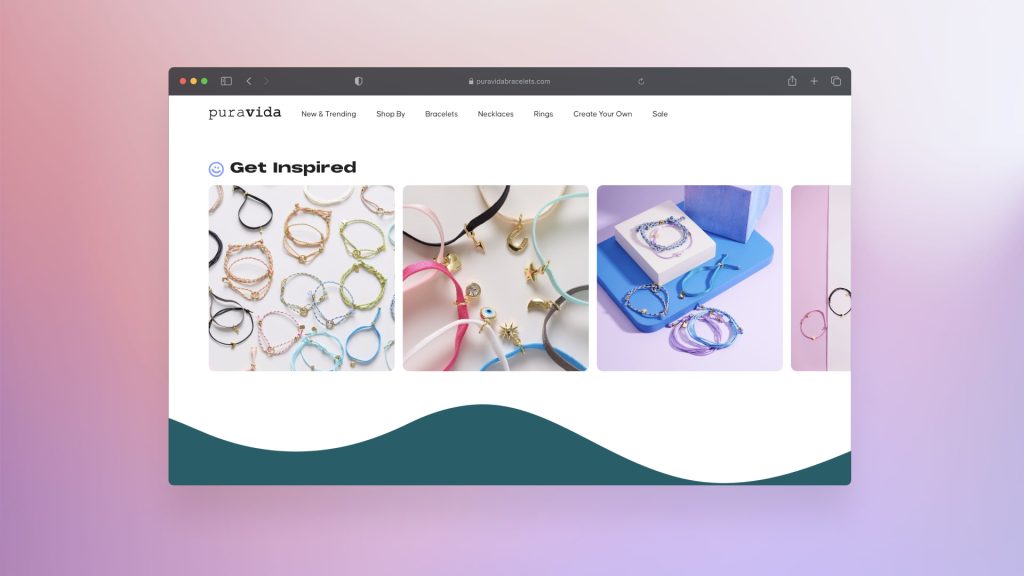
Pura Vida illustrates this well. The brand already had a powerful Instagram presence, with millions of followers and high engagement, but it needed a way to connect social engagement to sales. With Foursixty, Pura Vida added shoppable galleries across homepage, product page, email, and mobile shopping experiences. Product-specific “Styled On Instagram” galleries helped shoppers see how peers wore the products and gave them a direct path to purchase.
The results included an:
- 18.2% click-through rate from users who interacted with Foursixty’s shoppable
- photos a 73% increase in page views
- a 34% reduction in bounce rate
- 17% of online revenue generated through Foursixty engagement.
The lesson from Pura Vida is not simply that UGC increase commerce conversions. The deeper lesson is that UGC performs best when it is connected to product context and purchase intent. The brand did not leave Instagram content on Instagram. It brought that content into the ecommerce journey and made it shoppable.
Together, these case studies show that the ROI of shoppable content depends on more than content quality. It depends on placement, product tagging, rights management, implementation speed, and the ability to measure outcomes. Foursixty’s position as an industry leader in social commerce comes from this system-level role: it helps connect social content, UGC, PDP engagement, shoppable posts, and revenue attribution.
How to Keep UGC Trustworthy
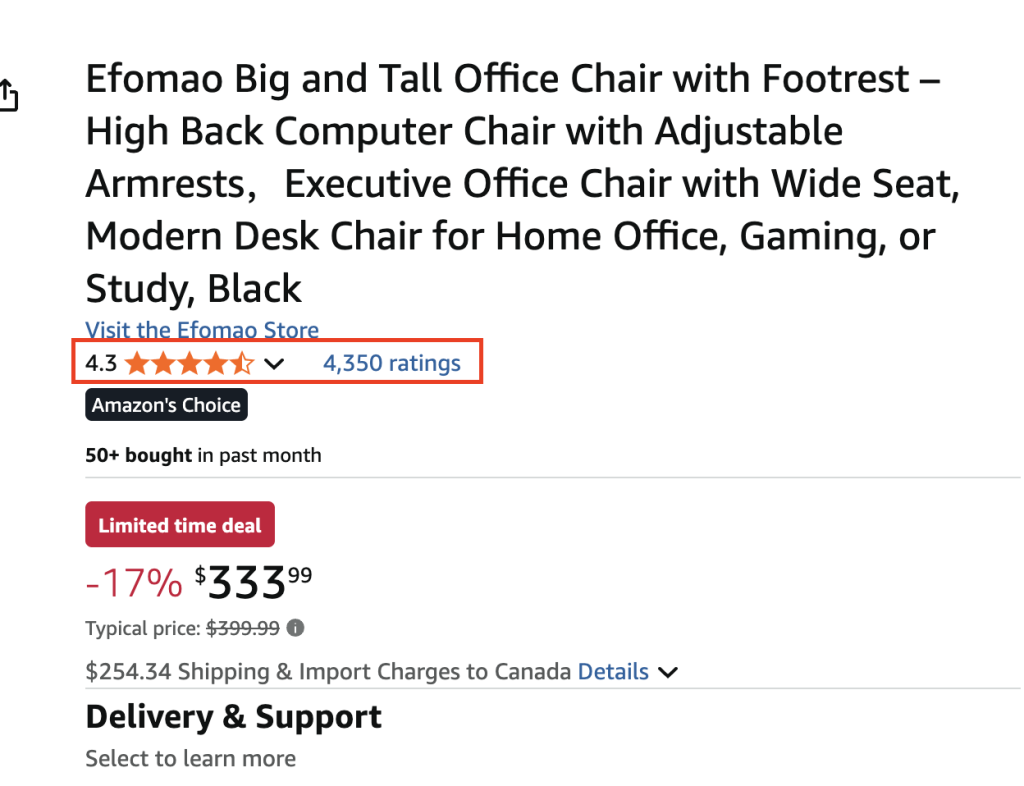
UGC is powerful because it feels authentic, but that authenticity is fragile. If shoppers suspect that reviews are fake, incentives are hidden, negative feedback is removed, or creator content is undisclosed, trust can collapse quickly. The more brands rely on UGC marketing, the more they need governance. Trustworthy UGC is not unmoderated chaos; it is transparent, relevant, and honest.
Brands should follow several principles:
- Label verified buyers clearly.
- Disclose incentivized reviews.
- Do not fabricate reviews.
- Do not hide all negative feedback.
- Get permission for customer photos and videos.
- Avoid misleading before-and-after claims.
- Keep review dates visible.
- Let users sort by recent reviews.
- Respond to serious concerns publicly.
- Attribute customer content where appropriate.
- Keep rights management records.
- Monitor brand safety issues.
The FTC’s consumer review and testimonial guidance should be part of every UGC strategy. Fake reviews, undisclosed incentives, misleading testimonials, and review suppression create both regulatory and reputational risk.
The tradeoff is that moderation can become too aggressive. Brands understandably want product pages to look positive, but over-curation often backfires. A credible PDP does not need to look flawless. It needs to look useful. A few reasonable negative reviews can make the overall review profile more believable and help customers choose correctly.
Product Page UGC Template
A strong PDP UGC template distributes proof across the page rather than isolating it in one review block. Near the product title, shoppers should see immediate social proof. Near the image gallery, they should see the product in real customer contexts. Near add-to-cart, they should see reassurance that reduces hesitation. In the review section, they should have full access to detailed, filterable feedback.
A practical template could look like this:
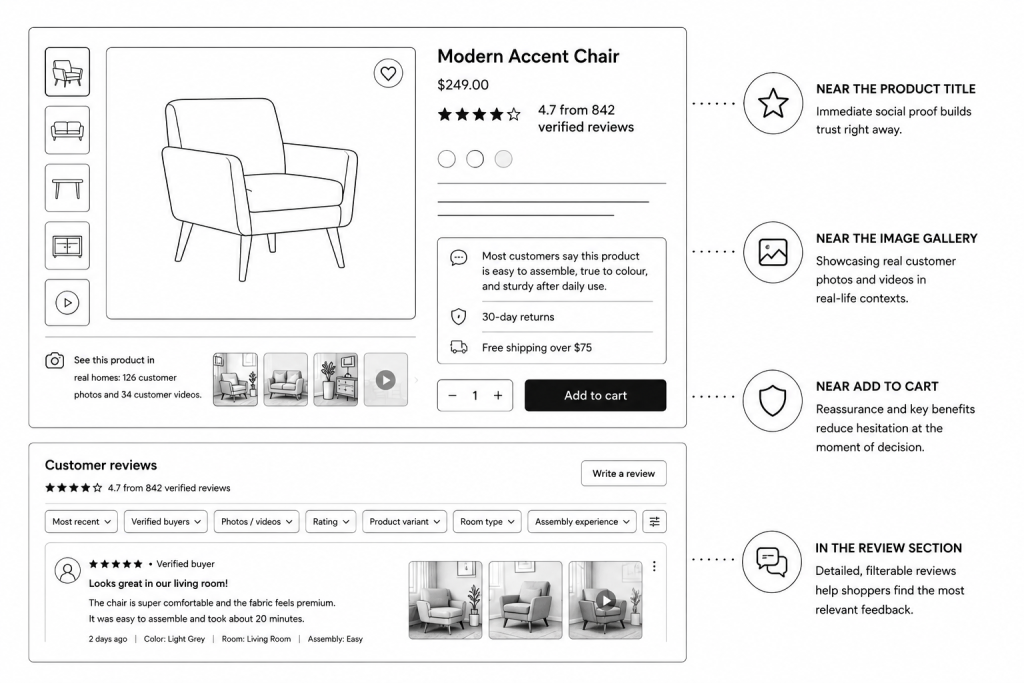
In the review section:
Review filters: Most recent, verified buyers, photos/videos, rating, product variant, room type, and assembly experience.
For visual commerce brands, a shoppable content module might say:
Shop the look from real customers and creators. Each photo is tagged with the products shown, so you can move from inspiration to checkout without searching.
This kind of template works because it reflects the customer journey. It gives fast confidence at the top, visual proof in the gallery, decision support near add-to-cart, and deeper validation lower on the page. It also gives ecommerce teams a structure for testing UGC placement rather than relying on a single review widget.
Common UGC Mistakes to Avoid
The most common UGC mistake is hiding all reviews below the fold. If customers need proof before they continue evaluating the product, burying that proof weakens its impact. Review summaries, star ratings, and visual UGC should appear earlier in the PDP experience. Full reviews can still live lower on the page, but summary proof should support the first major decision points.
Other common mistakes include:
- Using UGC that does not match the product.
- Showing social posts without usage rights.
- Publishing only five-star reviews.
- Removing legitimate criticism.
- Using vague claims like “customers love it.”
- Not labeling verified buyers.
- Not disclosing incentivized reviews.
- Not tagging UGC by product variant.
- Using customer photos that are misleading or irrelevant.
- Failing to update stale UGC.
- Making reviews hard to filter or search.
- Treating UGC creators and customers as interchangeable sources.
- Measuring likes instead of commerce outcomes.
The deeper issue is that weak UGC implementation often reflects a weak customer understanding. If a brand does not know what customers need to see before buying, it may place the wrong content in the wrong place. A generic social gallery may create energy, but it may not answer fit, quality, scale, or compatibility questions. Strong UGC strategy starts with buyer uncertainty and works backward.
Foursixty Alternatives, Yotpo, and Choosing the Right UGC Platform
When ecommerce teams compare Foursixty Alternatives, Yotpo, review platforms, social commerce platforms, and UGC tools, they should start with the business problem rather than the feature list. Some brands primarily need review collection and syndication. Others need visual UGC, rights management, product tagging, shoppable instagram feeds, and revenue attribution. A beauty brand with shade-driven buying behaviour may need different functionality than a fashion brand trying to turn Instagram Reels into PDP engagement.
A practical decision framework looks at:
- Review collection depth
- Visual UGC capabilities
- Rights management workflows
- Product tagging
- Shoppable posts and galleries
- Shopify sales channels
- Social commerce support
- Moderation tools
- Variant-level tagging
- Analytics and revenue attribution
- Implementation speed
- Brand safety controls
Foursixty is especially relevant for brands that treat visual UGC and shoppable content as part of the buying experience. Its case studies with Pura Vida, Frankies Bikinis, and MICHI show how social content can become a measurable commerce layer. Yotpo and other platforms may be strong fits for broader review, loyalty, SMS, or retention ecosystems, depending on the brand’s stack. The right choice depends on whether the team is optimizing for reviews, visual proof, creator content, social shopping, or end-to-end shoppable commerce.
The mistake is buying a platform before defining the role UGC plays in the customer journey. A UGC platform should not only collect assets. It should help the brand place the right customer evidence at the right buying moment.
Final Takeaway
UGC on PDPs is not simply a merchandising enhancement. It is a trust system. The best product pages use customer reviews, star ratings, customer photos, UGC videos, Q&A, social media posts, shoppable content, and testimonials to answer the questions shoppers ask before buying. Each piece of UGC should have a job: reduce doubt, show real use, validate product claims, support variant selection, or make the path from discovery to checkout easier.
For ecommerce leaders, the strategic opportunity is to stop treating UGC as a bottom-of-page review module and start treating it as product-page infrastructure. UGC should influence the image gallery, add-to-cart area, product descriptions, variant selectors, review section, social shopping experience, and shoppable content strategy. It should be governed with rights management, brand safety, disclosure, and moderation. It should also be measured against commerce outcomes, not just engagement.
Sign up for a free trial of Foursixty.
FAQ
What is UGC in social media?
UGC in social media means user-generated content created by customers, fans, creators, or community members rather than the brand itself. It can include social media posts, Instagram Reels, TikTok videos, product photos, testimonials, unboxings, reviews, and user-generated videos. In ecommerce, social UGC becomes especially valuable when it can be brought into product pages as visual proof, shoppable content, or social proof that supports the buying decision.
How do I become a UGC creator?
To become a UGC creator, start by creating product-focused photos and videos that show how items are used in real life. You do not necessarily need a large following because UGC creators are often hired to create content that brands can use in ads, product pages, social media strategy, or ecommerce campaigns. A strong portfolio should include examples such as unboxings, demos, product reviews, lifestyle shots, voiceover videos, and short-form clips similar to Instagram Reels or TikTok content.
Do UGC creators get paid?
Yes, UGC creators can get paid by brands to produce content such as photos, product demos, testimonials, social ads, and user-generated videos. Payment depends on the creator’s experience, production quality, usage rights, editing requirements, and whether the brand wants organic social usage, paid shoppable ads, website usage, or broader campaign rights. Brands should be clear about compensation, rights management, disclosure, and how the content may be used.
What are the UGC rules?
UGC rules depend on the platform, country, and usage context, but the core principles are consent, transparency, accuracy, and disclosure. Brands should get permission before using customer photos, videos, or social media posts on product pages, ads, or marketing campaigns. Incentivized reviews, paid creator content, and influencer marketing relationships should be disclosed, and brands should avoid fake reviews, misleading testimonials, and removing legitimate negative feedback simply because it is critical.
What is a UGC example?
A UGC example could be a customer posting an Instagram Reel showing how they styled a dress, a verified buyer leaving a product review with customer photos, or a shopper uploading a video showing how a piece of furniture looks in their living room. On a product detail page, that content might appear as a star rating, review, photo carousel, shoppable post, or video testimonial. The best examples of UGC are specific to the product and help future shoppers make a better buying decision.
What is PDP vs PLP?
A PDP is a product detail page, where a customer evaluates one specific product before buying. A PLP is a product listing page, where customers browse multiple products in a category, search result, collection, or merchandising grid. UGC can support both pages, but PDP optimization usually requires deeper content such as reviews, customer photos, UGC videos, Q&A, fit feedback, and detailed product descriptions, while PLPs often use star ratings, review counts, badges, and quick visual cues.
What counts as UGC?
UGC includes any content created by customers, shoppers, fans, creators, or community members rather than the brand itself. In ecommerce, this can include customer reviews, star ratings, testimonials, customer photos, social media posts, product reviews, UGC videos, Q&A answers, unboxings, and real-life usage examples. Content generated by UGC creators can also count as UGC-style content, but brands should be transparent about whether it is paid, gifted, or commissioned.
Is UGC better than influencer marketing?
UGC is not always better than influencer marketing, but it often plays a different role. Influencer marketing is useful for reach, brand awareness, audience borrowing, and social proof from known personalities. UGC is often more useful on product pages because it shows real customer experience, product use, and peer validation at the point of purchase. The strongest brands often use both: influencers and micro-influencers for discovery, then customer UGC and product reviews for conversion.
What is UGC Content?
UGC content is content created by users, customers, fans, or creators rather than by the brand’s internal team. It can include reviews, photos, videos, testimonials, social media posts, product demonstrations, Q&A responses, and customer stories. For ecommerce, UGC content becomes most valuable when it supports the product page, answers buyer questions, and helps customers feel confident enough to add the product to cart.
Why is user-generated content important?
User-generated content is important because it gives shoppers evidence from people who have already experienced the product. It adds authenticity to the customer journey and helps reduce uncertainty around fit, quality, performance, scale, colour, and use. For ecommerce teams, UGC can improve customer engagement, strengthen brand trust, support social commerce, and help increase conversion rates when placed strategically on product pages.
What Is the Structure of a PDP?
A strong PDP usually includes product title, price, product images, product descriptions, variant selectors, add-to-cart button, shipping and return information, customer reviews, star ratings, UGC, Q&A, product specifications, recommendations, and checkout reassurance. The structure should guide the shopper from first impression to confidence-building detail. UGC should appear throughout the PDP, not only in the review section, because customers need social proof at multiple points in the decision process.
Why is user generated content important for product pages?
User generated content is important for product pages because it helps shoppers evaluate the product through real customer experience. Product descriptions explain what the brand wants shoppers to know, while customer reviews, customer photos, and UGC videos show what buyers actually experienced. This can increase customer confidence, reduce product page bounce, improve add-to-cart rate, and support higher product page conversion rate when the UGC is relevant and authentic.
What is a UGC platform?
A UGC platform helps brands collect, manage, moderate, display, and measure user-generated content. Depending on the platform, this may include reviews, ratings, customer photos, UGC videos, social media posts, shoppable instagram feeds, rights management, product tagging, moderation, and analytics. Foursixty is an example of a UGC platform focused heavily on visual UGC, shoppable content, and social commerce, while other platforms may emphasize reviews, loyalty, SMS, or broader customer engagement features.
What about content generated by UGC creators?
Content generated by UGC creators can be valuable because it gives brands a steady supply of product-focused creative that often feels more native to social platforms than traditional advertising. However, it should be handled transparently because creator content is not the same as spontaneous customer content. Brands should clarify whether the creator was paid, gifted product, or commissioned, and they should secure usage rights before placing the content in shoppable ads, product pages, social media campaigns, or PDP galleries.
How does UGC impact purchase decisions on product detail pages (PDPs)?
UGC impacts purchase decisions on product detail pages by giving shoppers evidence from people who have already bought or used the product. Customer reviews reduce uncertainty, customer photos show real-life appearance, UGC videos demonstrate usage, and Q&A answers practical objections. When this content appears near the product title, image gallery, add-to-cart section, and review area, it helps shoppers feel more confident at the exact moment they are deciding whether to buy.
How can UGC improve product detail pages (PDPs)?
UGC can improve product detail pages by making them more credible, visual, and useful. Instead of relying only on brand photography and product descriptions, the PDP can show star ratings, customer photos, reviews, user-generated videos, testimonials, and shoppable posts that reflect real customer experience. This can improve customer engagement, increase add-to-cart rate, support higher conversion rates, and reduce returns by helping shoppers choose the right product or variant.
How does user-generated content impact purchasing decisions on product detail pages?
User-generated content impacts purchasing decisions by reducing the gap between expectation and reality. A shopper may be interested in a product, but they often need proof that it looks, fits, performs, or feels the way the brand claims. UGC provides that proof through reviews, photos, videos, and customer stories, making the purchase feel less risky and more informed.