Choosing the right niche on Instagram matters far more than growing a large follower count. While many brands chase reach, the truth is that monetization happens when a brand aligns its product category, visual storytelling, and community behavior with how shoppers move from discovery to checkout. In 2025, 41% of brands worked proactively to market on influencer profiles like instagram and Tiktok.
Across thousands of merchants using Foursixty, we’ve seen that certain instagram niches consistently outperform others in revenue influence, conversion lift, and UGC-driven discovery. These patterns hold across highly visual industries such as accessories, swimwear, activewear, skincare, and fashion brands that rely heavily on social media engagement to reach high-intent audiences.
To provide transparency and trust, this analysis draws on anonymized data from apparel, beauty, accessories, and home-interior merchants, along with case studies from Pura Vida, Frankies Bikinis, and Michi. We also reference authoritative external sources such as the Facebook Business Help Center and HubSpot’s Instagram Marketing Guides to reinforce platform-level expertise and evolving best practices in content distribution and creator monetization.
Why Instagram Niches Matter More Than Follower Count
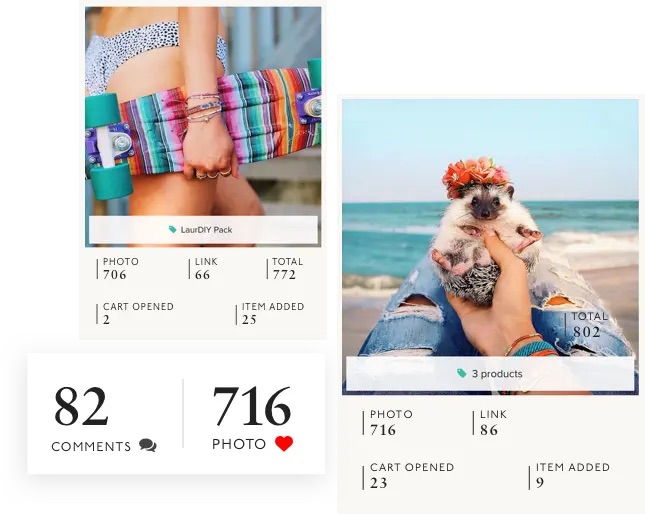
An Instagram niche is simply the thematic or category focus that defines your target audience, shapes your content creation, and determines how easily you can connect content to commerce. Not every category monetizes equally. Visual-first categories—like fashion, beauty, travel, accessories, or diy—perform best because they allow creators and brands to transform inspiration into shoppable moments. Even with similar follower counts, some brands generate stronger revenue because they exist in niches where customers expect to interact with visuals, compare products, and purchase quickly.
This is especially true in categories with high active users, where engagement rates and UGC consistency help brands make money online at scale. These behaviors are reinforced by the instagram algorithm, which rewards topical relevance and community depth over raw follower size. For startups, creators, and small business owners, choosing the most monetizable niche is the difference between steady sales and stalled growth.
Methodology: How We Evaluated Monetizable Instagram Niches
To ensure this guide remains grounded in real practice, our insights come from:
Foursixty’s Customer Data
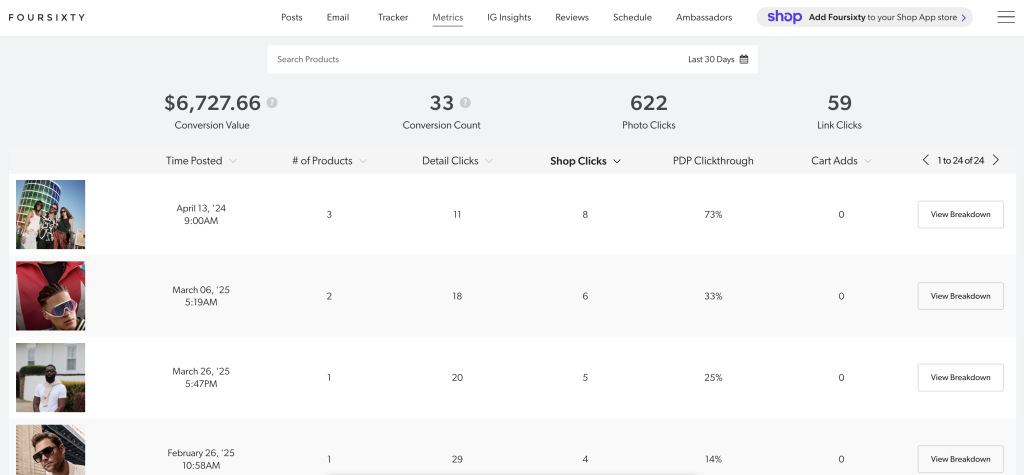
We evaluated engagement, conversion behavior, UGC interactions, PDP clicks, and revenue attribution across industries including:
- Women’s apparel & activewear
- Swimwear
- Skincare & the beauty industry
- Men’s apparel
- Home decor and furniture
- Accessories, watches, eyewear, and bags
This dataset spans millions of shopper events and thousands of catalog-to-checkout journeys.
Case Studies
These brands demonstrate how real UGC, creator partnerships, and shoppable galleries close the gap between discovery and checkout.
Performance Metrics
We reviewed shifts in:
- Conversion rate influenced by UGC
- Add-to-cart behavior after viewing galleries
- Revenue attributed to IG-powered sessions
- PDP interaction depth
- Impact of featuring user generated content instagram examples
Together, this methodology provides a reliable foundation for understanding which categories monetize best.
What Makes an Instagram Niche Monetizable?
Visual Storytelling Strength
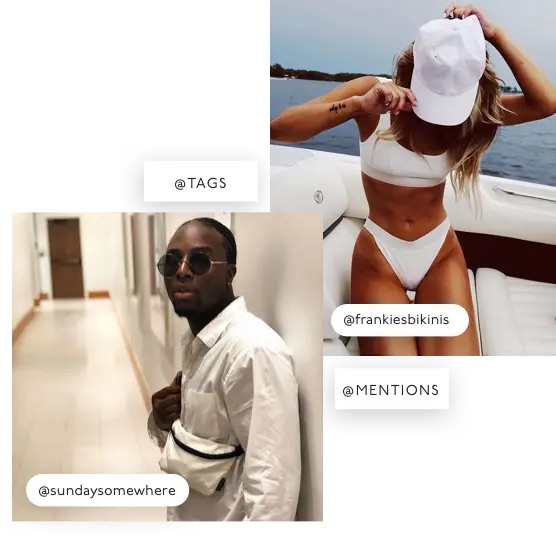
Niches that perform best are those where customers rely on visual validation. Categories like accessories, swimwear, skincare, and activewear convert well because shoppers want to see how items fit, feel, or are styled before they purchase.
UGC Density
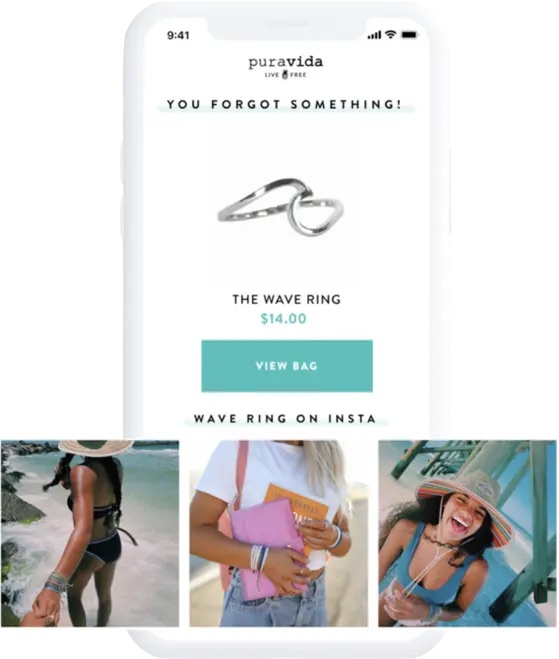
Monetizable niches generate frequent customer posts, enabling creators and merchants to build a reliable UGC strategy and create shoppable galleries that increase trust, showcase social proof, and reduce friction.
Community Behavior
Some niches have highly connected groups—like millennials, wellness buyers, or fitness communities—where people actively share experiences and influence one another’s decisions.
Commerce Readiness

The most profitable categories tend to have affordable or mid-high price points and clear, expressive value propositions. They’re easy to demonstrate through short clips, tutorials, or instagram reels.
The Most Profitable Instagram Niches Backed by Real Foursixty Data
Accessories & Jewelry (Pura Vida)

Accessories perform exceptionally well because they’re expressive, mix-and-match friendly, and visually appealing. Pura Vida-style brands thrive because shoppers often discover them through creators or lifestyle content. UGC showing stacks, textures, or color combinations increases PDP interaction depth, raising both conversion rate and onsite revenue.
Metrics:
- 18.2% increase in CTR
- 73% more pageviews
- -34% bounce rate on PDPs.
Review the case study to get full details to see how Foursixty helped Puravida
Swimwear (Frankies Bikinis)
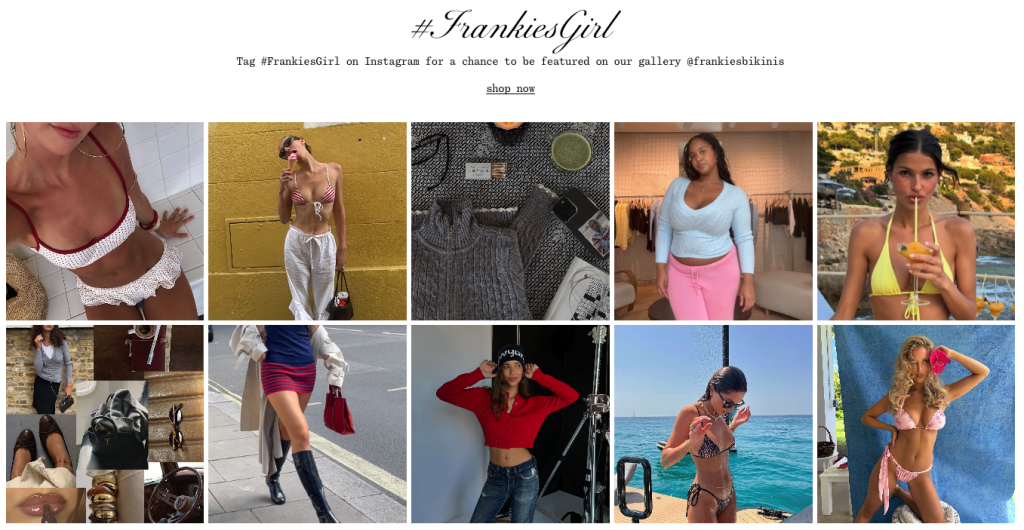
Swimwear is one of the most monetizable categories for a reason: it’s aspirational, highly visual, and tied to seasonal behavior. During travel periods and summer launches, swimwear brands see surges in PDP clicks and add-to-cart volume. Frankies leveraged creator content, lookbooks, and Foursixty galleries to translate inspiration into commerce outcomes.
Metrics:
Share of voice ownership, 19% of total orders and 23% of their online revenue is driven by Foursixty.
Review the case study to get full details to see how Foursixty helped Frankies
Activewear (Michi)
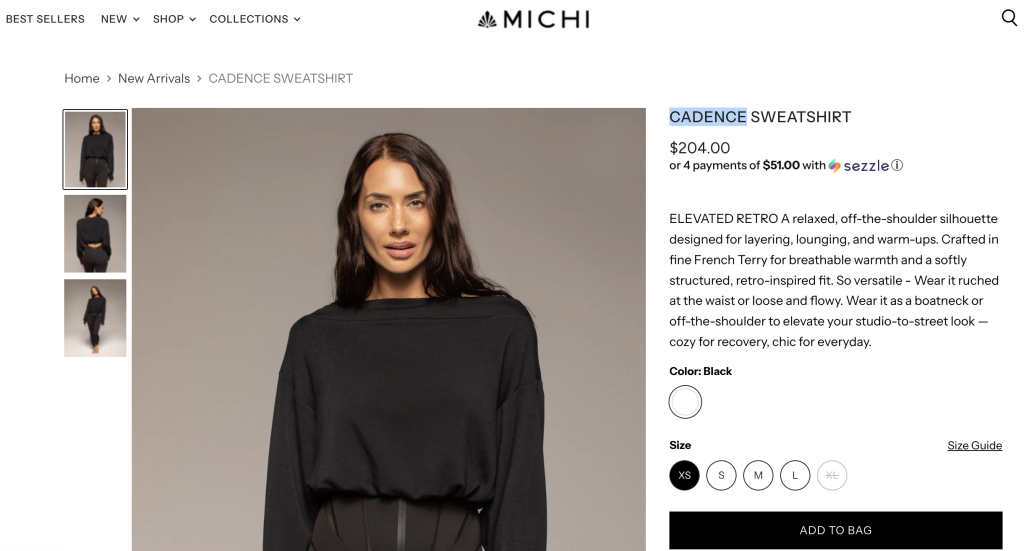
Premium activewear brands monetize effectively because buyers rely on movement, fit, and performance validation. Showing real customers wearing products removed friction for Michi, helping justify premium pricing and boosting conversion rate through improved PDP clarity.
Metrics:
In 30 days, Michi saw a 51 x ROI.
Review the case study to get full details to see how Foursixty helped Michi
Skincare, Men’s Apparel & Home-Interior Niches
Across these categories, monetization strength comes from:
- Skincare: before/after UGC and ingredient education
- Men’s apparel: fit confidence and quick decision-making behavior
- Home-interior: room scenes and detail validation
Each niche benefits from visual or educational depth, making UGC and shoppable galleries natural revenue drivers.
How to Monetize These Niches: The Proven Path from Instagram to Checkout
Shoppable UGC
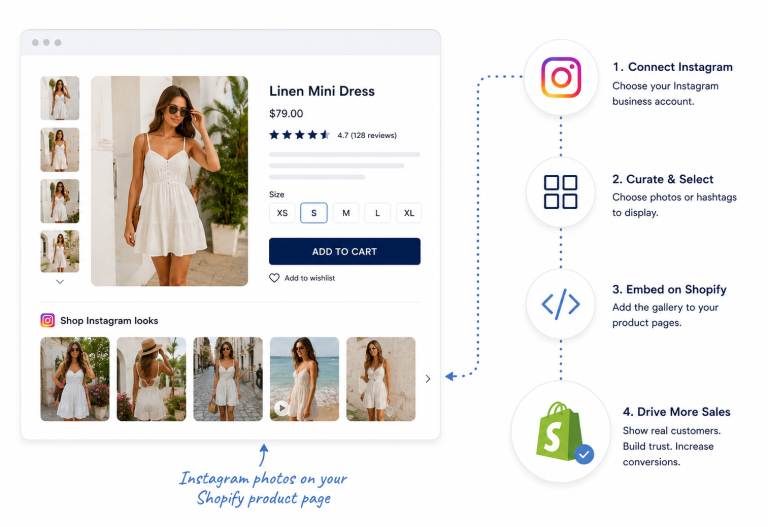
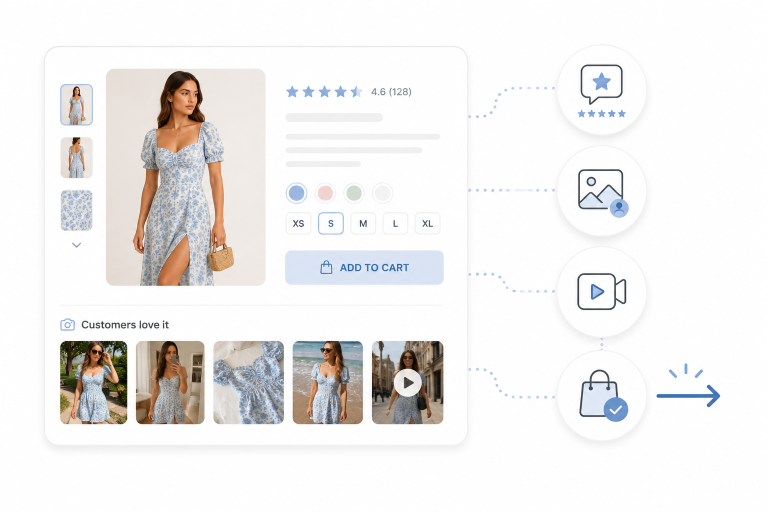
Foursixty allows brands to transform UGC into:
- Product-linked galleries
- PDP UGC modules
- Lookbooks connected directly to products
- Creator-level performance tracking
This reduces friction from inspiration to purchase and increases user engagement at critical buying moments.
Content Formats That Convert Best
Each niche has winning formats:
- Accessories: close-ups & lifestyle shots
- Swimwear: travel context, creator photos
- Activewear: movement clips & mirror selfies
- Skincare: step-by-step routines & results
These formats are also favored by the platform, improving discoverability.
Additional Monetization Levers
Integrating:
- Instagram shopping integrations
- Brand deals on instagram
- Affiliate marketing and affiliate products
- Shoppable posts
- Instagram monetization and policy compliance
- Smart PDP tactics such as PDP optimization and improved PDP content
creates an ecosystem where every surface contributes to revenue.
Where Foursixty Fits in the Instagram Monetization Stack
Foursixty acts as the connective layer between creators, UGC, and commerce. Brands use it to:
- Attribute revenue to content
- Build shoppable content
- Improve conversion and AOV
- Deliver AI in PDPs enhancements that personalize experiences
As platforms evolve features like instagram subscriptions, instagram live badges, instagram monetization criteria / policies, and Instagram vs Tiktok monetization, the need for accurate attribution and on-site shoppability only grows.
The Future of Monetizable Instagram Niches
Looking ahead, niches will be shaped by personalization, automation, and platform convergence. The rise of GEN AI for UGC, deeper integrations such as Link instagram to shopify, and advanced personalization frameworks will make shoppable surfaces more efficient. Newer tools will strengthen conversion content, optimize add-to-cart rate, and support Black Friday scale-ups with refined CRO checklist strategies.
Meanwhile, creators and brands will experiment with hybrid niche formats that merge lifestyle, wellness, and commerce, resulting in new monetization paths for both creators and emerging startup brands.
Ready to stop leaving revenue on the table?
FAQs About Instagram Niches
Which niche is best for Instagram?
The strongest monetization potential exists in visually rich categories like fashion, beauty, accessories, fitness, and home-interior styling. These niches convert well because customers want to see real-world context before purchasing, and they tend to produce UGC organically. Brands that operate in these categories can scale quickly through creator partnerships and strong visual identity.
How to pick a niche on Instagram?
Choosing a niche requires understanding your audience, product alignment, visual capabilities, and long-term growth goals. A niche must be large enough to sustain your brand yet focused enough to create differentiation. Look for areas where UGC naturally emerges, where customers regularly share reviews or styling ideas, and where community dialogue influences purchasing decisions.
What Instagram niches make the most money?
Swimwear, accessories, activewear, skincare, and home decor are historically strong performers. These categories benefit from highly expressive content, rapid shopper journeys, and built-in search demand. Monetization also strengthens when creators in these niches produce tutorials, styling guides, or routine breakdowns that guide discovery.
What is the 5-3-1 rule on Instagram?
This growth concept encourages meaningful interaction: engage with 5 posts, leave thoughtful comments on 3, and DM 1 person daily. It strengthens community presence and helps creators, influencers, and brands increase visibility through consistent engagement.
How do you promote your Instagram account?
Promotion involves consistent storytelling, creator collaborations, platform-native features like reels, live sessions, and shoppable integrations, plus using niches and community hashtags strategically. Adding UGC to your website further amplifies traffic by converting social interest into on-site revenue.
How can I find a profitable niche for my Instagram account?
Look for categories with strong UGC ecosystems, clear visual expression, active communities, and creators who regularly inspire product discovery. If the niche aligns with your brand values and customer expectations, it becomes easier to convert followers into buyers. For creators, analyzing audience demographics—such as growth among millennials—can guide niche refinement.
How do you actually grow an Instagram page and make money without being a professional marketer?
Focus on consistent, visually strong content, collaboration with a content creator or influencers, and building trust with your audience. Even beginners can grow by using a step-by-step content routine, leaning into social proof, and integrating shoppable surfaces that turn passive browsers into customers.
Which niche is best for Instagram?
The best instagram niches are typically the ones with strong visual storytelling, fast discovery cycles, and high community participation. Categories like accessories, skincare, and beauty products perform extremely well because customers want to see texture, color, and real-world use before making a purchase. These categories are also popular among creators, bloggers, and instagrammers, who rely heavily on visual inspiration, audience feedback, and product reviews to guide purchasing decisions.
Other top-performing niches include the fashion niche, fitness niche, and lifestyle niche, all of which thrive on expressive imagery and trend cycles. Fashion is driven by rapid fashion trends, while fitness benefits from routine-based motivation. Many entrepreneurs in these spaces use Instagram as their primary channel to build brand identity and attract instagram users who are already primed to explore new products and creators.
What is the 5-3-1 rule on Instagram?
The 5-3-1 rule is a community-growth method that helps creators earn loyal followers and strengthens algorithmic favorability. It encourages accounts to engage with five posts, leave comments on three, and send one DM per day. This approach increases visibility because the Instagram feed rewards authentic connection and repeated engagement.
Used effectively, the 5-3-1 method helps creators produce more engaging content, understand what their audience wants, and refine their content strategy around themes that naturally invite conversation. Many creators combine this rule with small hacks—such as strategic timing, story polls, and interactive prompts—to deepen community ties and stand out in crowded markets.
How to pick a niche on Instagram?
Choosing the right niche requires a blend of self-awareness, audience insight, and product-market fit. Creators should explore niche ideas that align with their personality, expertise, and ability to deliver high-quality visuals consistently. The strongest niches are those where content can be expressed visually, frequently, and creatively—like skincare routines, interior aesthetics, crafting, or wellness-driven storytelling.
Brands and ecommerce founders should also assess whether their category has strong UGC potential. For example, accessories and home décor produce tons of organic content, while the pet industry generates emotional, highly shareable moments. If your niche allows you to explore sub-niches—like athleisure inside the broader fitness category or sustainable clothing inside fashion—you’re more likely to grow long-term.
What are the big 3 niches?
Historically, the most enduring and lucrative categories on Instagram have been fashion, beauty, and fitness. The fashion niche succeeds due to its rapid trend cycles and natural emphasis on outfit inspiration, seasonal styling, and personal identity expression. Beauty is fueled by tutorials, before-and-after transformations, and ingredient education. The fitness niche thrives because it blends routine, aspiration, and community-driven motivation.
Within these three macro areas, there are countless niche ideas—from sustainable fashion to clean beauty to micro-training routines—that creators can explore to carve out a distinctive voice. These niches tend to attract brands, collaborators, and referral traffic that feeds back into growth.
What Instagram niches make the most money?
Monetization potential depends on how easily followers can transition from discovery to purchase. Accessories, beauty, skincare, home décor, and athleisure remain top-performers. These niches convert well because customers look to Instagram for inspiration, validation, and authentic UGC before buying.
Creators also earn strong revenue in travel, parenting, and the pet industry, each of which has deep emotional resonance and daily storytelling built in. Brands in these spaces benefit from large communities, visual depth, and repeat storytelling opportunities through reels, posts, and instagram stories. Combined with the right shoppable integrations, these niches generate consistent revenue for creators and merchants alike.
What Are Instagram Niches?
Instagram niches are focused thematic categories that help creators and brands attract the right audience through purposeful storytelling. A niche helps you determine what to post, who you’re trying to reach, and which monetization opportunities make sense for your brand. Unlike broad topics, a niche gives you clarity—a predictable set of content angles, audience expectations, and community values.
Today’s platform rewards specificity. A niche helps content creator accounts find their voice more quickly, while brands can better match products to the behaviors of instagram users. Whether you operate in fashion, food, pets, wellness, or home décor, selecting a niche ensures your content meets the expectations of the people most likely to buy from you.
How are you making money from Instagram?
Creators monetize through brand partnerships, affiliate links, creator programs, subscriptions, and shoppable UGC. The key is building trust through consistency and providing authentic storytelling that resonates emotionally. By focusing on engaging content, creators convert viewers into customers through product recommendations, reviews, or lifestyle integration.
Brands, meanwhile, earn revenue by turning UGC into shoppable commerce. Using strategic business tips, consistent posting, and strong creator alignment, brands can create a flywheel of discovery → inspiration → purchase. Monetization becomes easier when your niche aligns with high-intent communities and your content naturally invites clicks.
How do you promote your Instagram account?
Promotion begins with posting consistently, engaging with your community, and refining your message across your niche. Collaborations with creators, partnering with brands in related niches, and optimizing reels and stories all improve reach. Using storytelling methods that tap into emotional triggers—like transformations, behind-the-scenes insights, and personal milestones—helps build credibility and momentum.
To grow faster, creators and brands often rely on clever hacks, optimized posting schedules, and algorithms that reward content with higher dwell time. When your content resonates, it earns shares, saves, and comments naturally, improving long-term discoverability.
How many hashtags should I use to test my niche effectively?
Instagram recommends using 3–5 hashtags per post, chosen based on relevance, audience behavior, and the discoverability of your niche. Hashtags help categorize your content so the algorithm can understand the topic, but they should be used carefully and only when they reinforce your message.
To test your niche, use a combination of broad and narrow hashtags to evaluate interest levels. Broader tags help measure reach, while niche-specific tags reveal how your ideal audience interacts. Over time, this helps refine your content strategy and reveals patterns in who is responding and why.
What are the best-performing monetization strategies for trending niches?
Top strategies include shoppable UGC, influencer partnerships, affiliate recommendations, and creator-led tutorials. Niches with strong visual identities—like beauty, fashion, or home décor—perform well with product walk-throughs, styling ideas, and result-driven storytelling. Niche creators who specialize in wellness, organization, cooking, or interior design grow quickly because they provide both value and inspiration to viewers.
Merchants can maximize earnings by connecting UGC galleries to product pages and using data to measure which creators or posts drive revenue. Combined with effective ecommerce tools, brands can optimize conversion and discoverability simultaneously.
How You Grow an Instagram Page and Make Money (Without Being a Social Media Pro)
Growth stems from consistency, authenticity, and understanding what your audience cares about in your niche. You don’t need professional equipment or a production studio—just a strong identity, a clear message, and visuals your viewers want to save or share. Being authentic helps build loyal communities who trust your recommendations.
Creators who succeed typically follow simple frameworks: share value daily, invite interaction, analyze what resonates, and expand gradually into sub-niches. When your audience trusts you, even small product mentions can influence buying behavior. Shoppable UGC and creator tools make monetization easier than ever.
How can I find a profitable niche for my Instagram account?
Start by identifying topics you naturally enjoy, where there is strong audience interest and where you can consistently produce content. Profitability comes from niches where buyers look to Instagram for guidance, such as beauty, fashion, fitness, home décor, or pets. These categories attract brands, creators, and loyal fans who want curated discovery.
Look for areas where you can add a unique voice—through tutorials, storytelling, or transformation moments. Profitability grows when you can explore niche ideas that branch into sub-niches, giving you room to differentiate as trends evolve and the platform changes.