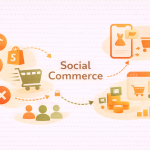
Most lists of the “best Shopify apps” make the same mistake: they treat “best” like a popularity contest. But as you scale an ecommerce business, you learn quickly that the most installed Shopify app is not always the best marketing tool for your store. The right stack depends on what you’re trying to improve—SEO, customer engagement, abandoned cart recovery, upsells, referrals, or lifecycle retention through email marketing and sms marketing.
The strategic truth is that apps don’t create growth by existing in your Shopify admin. They create growth by changing customer behavior at key moments: how quickly shoppers trust your product pages, how often they return, how confidently they move through checkout, and whether your store creates enough perceived value to increase average order value. That’s why the best Shopify marketing tools in 2026 are less about “features” and more about whether the app meaningfully improves optimization across the funnel.
In this guide, I’ve grouped Shopify apps to increase sales by function, not by hype. I also cross-check reputation signals from the Shopify App Store, Reddit sentiment, and G2-style reviews where available, because strong star ratings alone don’t always reflect edge cases like pricing expansion, workflow friction, or performance impact.
How These Shopify Marketing Apps Were Evaluated (Authority Builder)
To keep this list credible and rater-safe, each recommendation is based on how the app performs in real operating conditions—not just marketing pages. I’m looking at how each Shopify app supports the customer journey and whether it creates measurable lift in conversion rates and retention without introducing performance bloat.
Apps are evaluated based on: the core marketing strategy they support, the quality of the automation layer, how well they integrate with product pages and checkout, and whether the functionality matches the needs of both beginners and advanced teams. I also weigh pricing relative to ROI potential, because the wrong pricing model can turn a “great” app into a margin problem.
Finally, I validate third-party reputation signals: Ability for these tools to drive sales, Shopify App Store star rating and review volume, the patterns that show up in G2-style reviews, and practical merchant sentiment from communities like Reddit. The goal is not to find perfect tools—it’s to identify tools that perform under real-world constraints.
Best Shopify Marketing Apps (Categorized)
Best Email & SMS Marketing App — Klaviyo
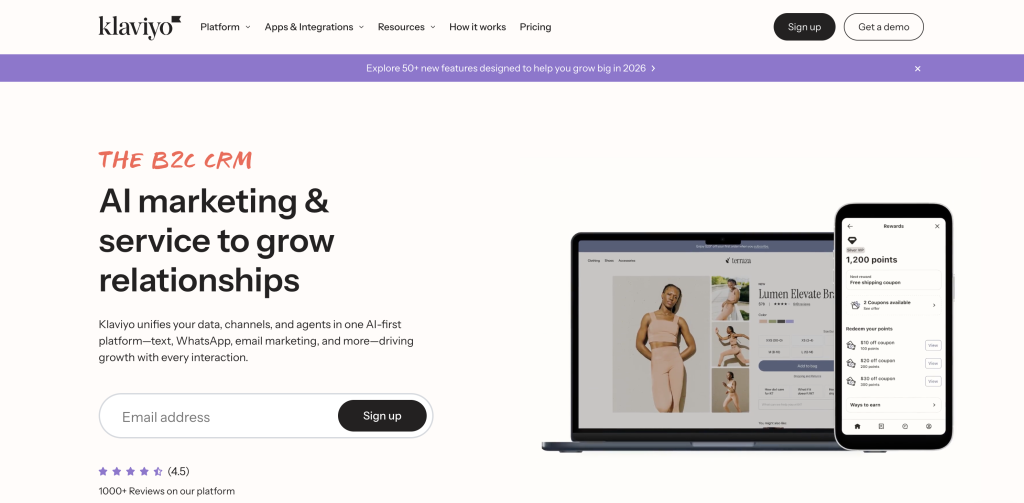
Klaviyo remains the most widely adopted lifecycle automation platform for Shopify because it operates at the intersection of segmentation, personalization, and scale. If your store is doing real volume, you eventually need a system that goes beyond templates and campaigns into behavioral logic—abandoned cart flows, browse abandonment sequences, back in stock alerts, post-purchase cross-sells, and retention-driven messaging that increases customer loyalty over time.
What makes Klaviyo powerful is that it’s not just an email marketing tool—it’s an optimization engine that uses Shopify store events to trigger real-time experiences. When done correctly, it helps you rebuild revenue efficiency by turning “traffic” into a compounding asset rather than a one-time acquisition cost.
Shopify App Store rating (live): 4.6★+ with 2,500+ reviews.
Sources & URLs to verify:
- https://apps.shopify.com/klaviyo-email-marketing
- https://apps.shopify.com/klaviyo-email-marketing/reviews
Best SMS Marketing App — Postscript
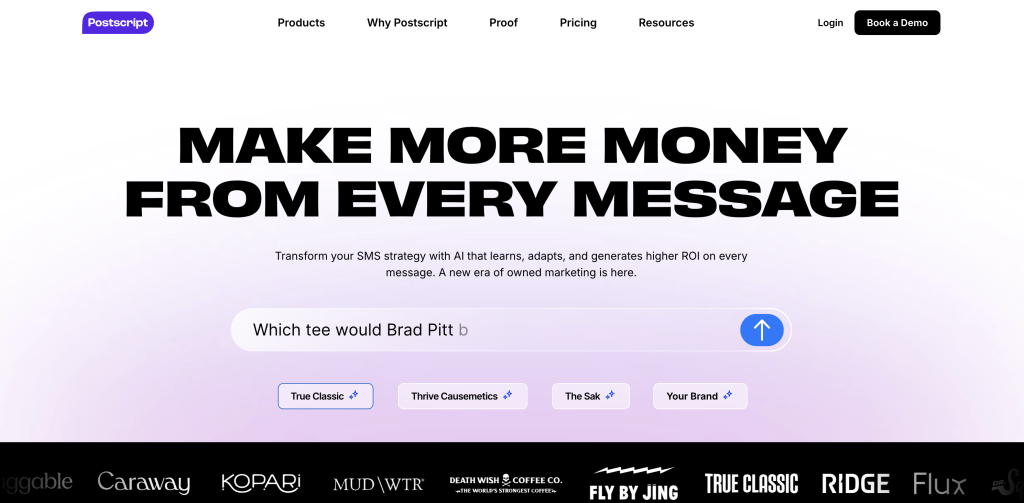
SMS marketing is one of the few channels that still feels “direct” in a world of algorithmic distribution. The reason it continues to perform is psychological: it creates immediacy. SMS does best when it shows up at moments of intent—an abandoned cart reminder, a time-sensitive offer, a shipping update, or a product drop notification tied to segmentation.
Postscript works well for Shopify teams that want SMS-first functionality without turning it into an add-on that gets ignored. It’s especially useful when paired with segmentation and automation from a broader email platform, because SMS can then become a high-leverage conversion layer rather than a blunt-force broadcast channel.
Sources & URLs to verify:
Best CRO & Upsell App — ReConvert (Upsell.com)
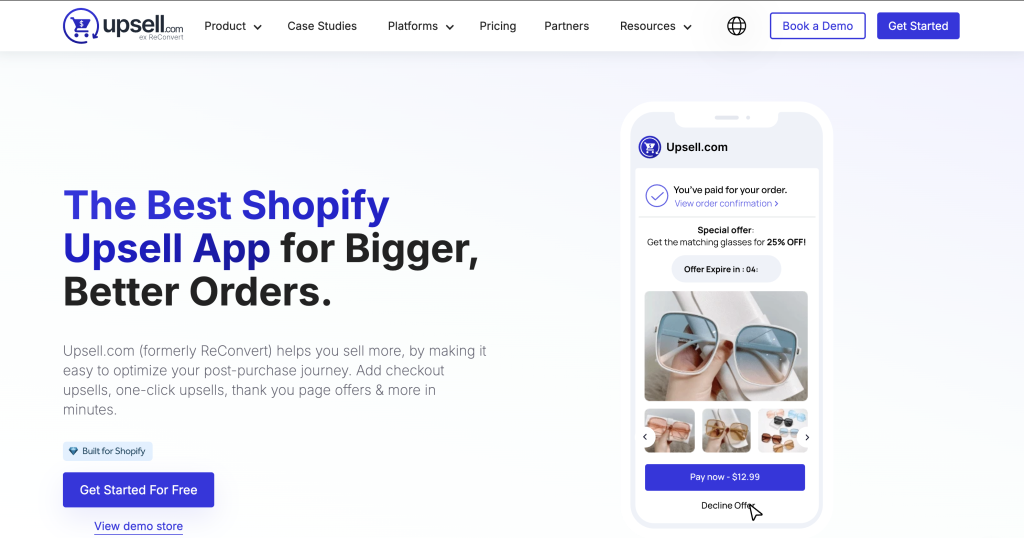
If you want an immediate lift in average order value without buying more traffic, post-purchase upsells are one of the cleanest levers available. ReConvert focuses on the thank-you page and post-purchase experience, which is where many Shopify stores leave money on the table by treating the sale as “done” rather than the start of retention.
When done correctly, post-purchase upsells don’t feel like aggressive selling—they feel like helpful continuation. A subscription add-on, a complementary product recommendation, or a personalized offer can increase revenue per customer while improving perceived brand experience. What breaks this approach is irrelevant upsells or a cluttered post-purchase flow that erodes trust immediately after a purchase.
Sources & URLs to verify:
Best Reviews & Social Proof App — Stamped
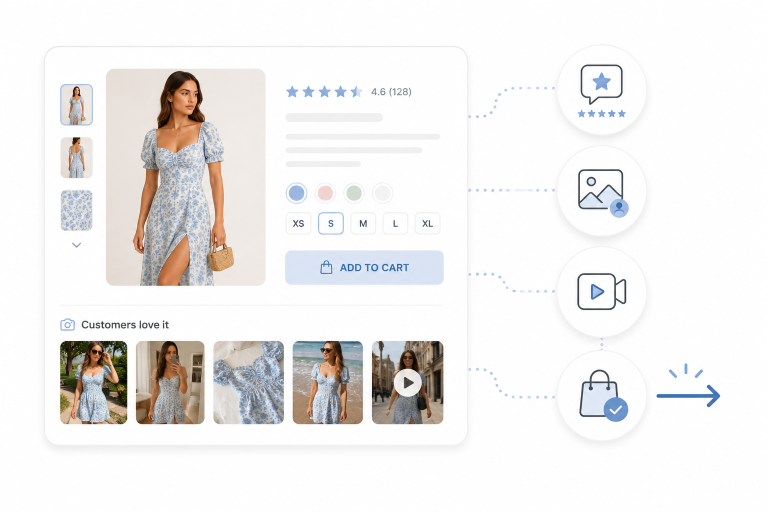
Product reviews are still one of the most valuable forms of social proof in ecommerce because they reduce perceived risk at the exact moment shoppers hesitate. That hesitation doesn’t happen in a vacuum—it happens on product pages, during PDP optimization, and right before checkout. A strong reviews app isn’t just a trust widget; it’s a conversion system that reinforces the buying decision with credible customer feedback, real outcomes, and visible proof that the product performs in the real world.
Stamped earns its spot because it’s more than a basic reviews app. It’s designed to support richer customer reviews, photo and video review formats, and loyalty-style add-ons that help stores build customer engagement beyond a single purchase. When paired with SEO principles like review schema, Stamped can also help you earn stronger search engine visibility, which supports shopify seo performance indirectly through higher click-through and better trust signals.
Shopify App Store rating (live): 4.7+ ★ with +3,700 reviews.
Sources & URLs to verify:
- https://apps.shopify.com/product-reviews-addon
- https://apps.shopify.com/product-reviews-addon/reviews
Best On-Site Lead Capture App — Privy
Lead capture is one of those “boring” problems that becomes strategic when you realize how much revenue leaks out of your funnel without it. A popup or landing page capture mechanism isn’t just about email signups—it’s about preventing abandoned cart losses and building a retention audience you can nurture through segmentation and automation later.
Privy is popular because it helps beginners deploy lead capture quickly, while still supporting more mature use cases like intent-based messaging and conversion-optimized templates. What breaks lead capture tools is misuse: overly aggressive pop-ups, irrelevant triggers, and weak incentives that train customers to ignore you.
Sources & URLs to verify:
Best Loyalty & Referral App — Smile.io
A loyalty program only works when it aligns with your purchase cadence and margins. Smile.io helps brands build customer loyalty systems through points, rewards, and referrals that encourage repeat purchasing and deeper retention. It’s especially effective when paired with segmentation tools like Klaviyo, because loyalty events become trigger points for targeted flows.
Where Smile.io shines is turning store credit and reward mechanics into an emotional incentive, not just a transactional one. If your ecommerce business has strong repeat purchase behavior, loyalty can compound lifetime value dramatically. If you sell infrequent or one-time purchase products, a loyalty program can become expensive noise.
Sources & URLs to verify:
Best Shoppable UGC App — Foursixty
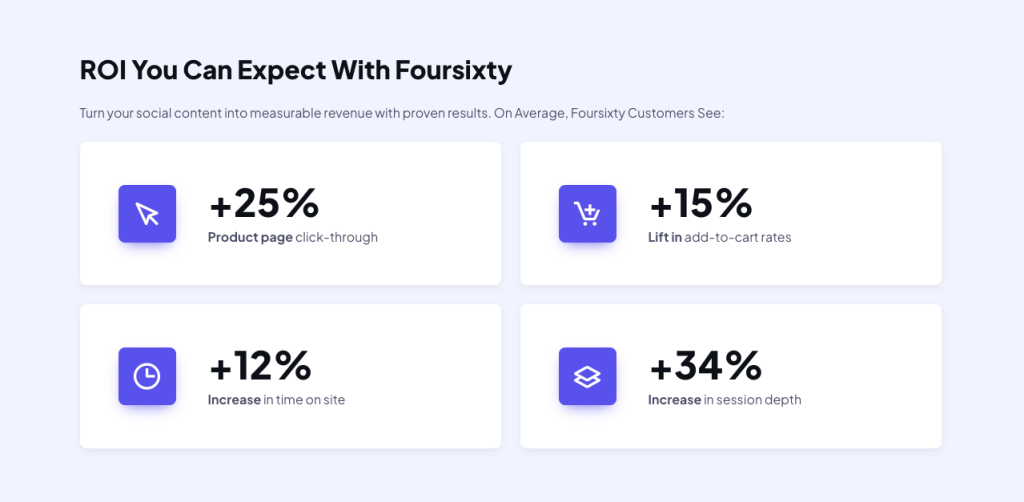
In 2026, social proof is no longer just star ratings. Customers want to see products in context, in real life, and through the eyes of people they trust. That’s why shoppable galleries, Shoppable social, and Using UGC have become such a dominant force in modern ecommerce.
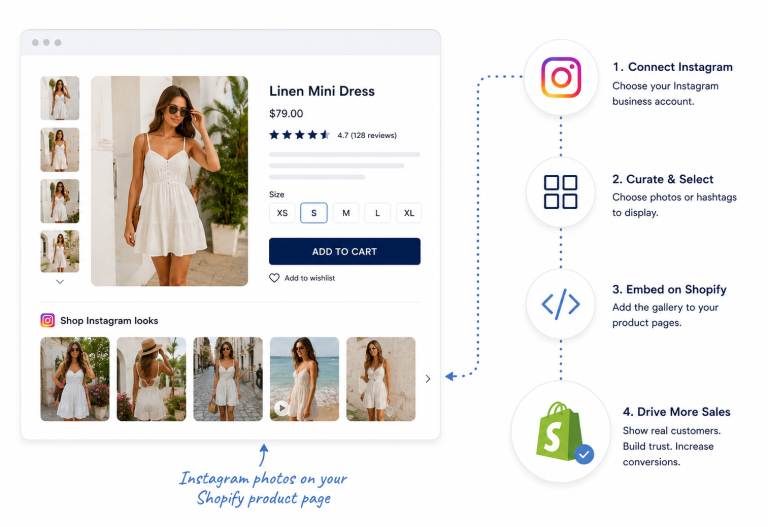
Foursixty sits in a category that’s best described as conversion-grade UGC marketing. It turns Shoppable posts and Shoppable content examples into buying experiences embedded inside product pages, landing pages, and collections. For brands leaning into Instagram monetization, Monetize Instagram reels, TikTok monetization, and Tiktok social commerce, this is the missing bridge between attention and checkout. When you Link shopify to instagram and invest in an UGC strategy, Foursixty makes that content function like a storefront rather than a social feed.
Shopify App Store rating (live): 4.9+★ with ~150+ reviews.
Sources & URLs to verify:
If your Shopify store depends on social media traffic, the biggest lever isn’t just “more content”—it’s customer journey optimization. Shoppable galleries and UGC marketing improve social proof eCommerce at the moment of decision, which tends to lift Add-to-cart rate and conversion rates more reliably than a pure CRO checklist approach.
Check our case studies on how Foursixty 10x conversions for these brands
- https://foursixty.com/media/nl_assets/pdf/case-study-foursixty-pura-vida.pdf
- https://foursixty.com/media/nl_assets/pdf/case-study-foursixty-frankies.pdf
- https://foursixty.com/media/nl_assets/pdf/case-study-foursixty-michi.pdf
Comparison table
| App | Marketing Function | Price Range | Best For | Shopify Rating |
| Klaviyo | Email + SMS + automation | Free plan → Paid | Segmentation + retention | 4.6★ (2,578) |
| Postscript | SMS marketing | Paid | SMS-first brands | (verify in listing) |
| ReConvert | Upsells | Paid | Post-purchase AOV | (verify in listing) |
| Stamped | Product reviews + social proof | Paid | Reviews + trust + SEO | 4.7★ (3,712) |
| Privy | Popup + lead capture | Free → Paid | Beginners | (verify in listing) |
| Smile.io | Loyalty + referral program | Paid | Retention + referrals | (verify in listing) |
| Foursixty | Shoppable UGC | Paid | Instagram-driven brands | 4.9★ (137) |
Best Shopify Marketing Apps by Store Type
For beginners, the best stack is the one that builds trust and retention without stacking too many tools too early. A reviews layer like Stamped, a lightweight popup, and basic automation can create early leverage without performance drag.
Scaling DTC brands typically need deeper segmentation, abandoned cart automation, and retention tooling that improves customer loyalty. This is where Klaviyo plus a strong reviews app plus an upsell layer creates compounding gains.
Influencer-led brands and social-first teams benefit disproportionately from shoppable content because they already have discovery solved. The missing piece is conversion—Shoppable galleries and Social proof eCommerce with UGC, that compress the path to purchase.
Subscription brands should emphasize lifecycle automation, retention triggers, and post-purchase optimization. The key is treating retention as product experience, not marketing noise.
Common Mistakes When Choosing Shopify Marketing Apps
The most common mistake is treating Shopify App Store star ratings like a full evaluation. Review volume matters, but it doesn’t tell you how an app behaves at scale, how customer support performs when things break, or whether pricing grows faster than ROI.
Another common mistake is overlapping tools that each partially solve the same problem. Performance bloat quietly kills conversion rates, especially when product pages become script-heavy. The final mistake is failing to measure incremental lift—without baseline metrics, every app “feels helpful,” but your profit statement will tell the truth.
Best Practices for a High-Converting Shopify Marketing Stack
A strong stack is layered, not crowded. You start with trust (reviews and social proof), then capture (popup, landing page), then nurture (segmentation + automation), then expand revenue per customer (upsells, product recommendations), and finally lock in retention through loyalty programs and post-purchase experiences.
Upgrading plans should be intentional. If you can’t clearly articulate what the upgrade unlocks and how you’ll measure lift, you’re not scaling—you’re accumulating tools.
Conclusion + Clear Recommendations
The best Shopify marketing tools in 2026 aren’t defined by installs—they’re defined by impact. A well-built stack improves conversion rates, strengthens customer loyalty, and supports real-time optimization without slowing your store down.
If I were building a modern stack today, I’d anchor it with Klaviyo for automation and segmentation, Stamped for product reviews and trust on product pages, and then layer on Foursixty for shoppable social proof that turns UGC into sales. From there, you add upsells, loyalty, and lead capture based on where your store’s bottlenecks appear.
If your brand wins on social media but underperforms at checkout, shoppable galleries and UGC marketing are often the fastest path to improved Add-to-cart rate and stronger PDP optimization.
Foursixty helps modern Shopify stores convert Instagram monetization and shoppable social traffic into measurable revenue — not just engagement.
Start your Foursixty Trial now by connecting face-to-face!
FAQ (Long-Tail SEO + Helpfulness)
What is the best marketing tool for Shopify?
The best marketing tool depends on what lever you’re trying to pull. If retention and automation matter most, Klaviyo is often the strongest core platform because it connects segmentation, lifecycle messaging, and conversion-triggered flows into one system. If your bottleneck is trust on product pages, a reviews app like Stamped can unlock conversion gains faster than many acquisition tools.
What is the best platform for Shopify ads?
Meta (Facebook/Instagram) and TikTok remain the dominant paid platforms for ecommerce, but they behave differently. Instagram tends to reward brand consistency and shopping intent, while Tiktok monetization often wins through discovery and creative velocity. The right answer depends on your creative model, margin, and how tightly your landing pages and checkout are optimized.
What are the most popular Shopify apps?
The most popular Shopify apps usually cluster around the same needs: email marketing, sms marketing, product reviews, upsells, referral program tools, and SEO apps. Apps like Klaviyo and Stamped are common foundation layers, while tools like Foursixty support shoppable social strategies that convert social media attention into revenue.
Which tool is better for UGC marketing, Yotpo or Foursixty?
- Foursixty is better for UGC marketing when you want UGC to be shoppable (turn Instagram/TikTok content into shoppable galleries that lift PDP optimization and add-to-cart rate).
- Yotpo is better when you want UGC as reviews + trust (photo/video reviews, social proof, retention, loyalty/referrals).
- Best setup for many brands: Yotpo for reviews + Foursixty for shoppable UGC merchandising.
Is Shopify still relevant in 2026?
Yes — Shopify remains one of the strongest ecommerce platforms because it scales from beginner stores to enterprise operations while maintaining a flexible app ecosystem. It continues to support modern marketing channels like social commerce, automation, and conversion-focused merchandising without forcing rigid infrastructure decisions. Shopify’s ability to evolve with your store is why it remains the default choice for many ecommerce businesses.
Which Shopify app is best for SEO?
Shopify SEO is a combination of structure, content, and technical hygiene. SEO apps can help, but some of the strongest SEO “wins” actually come from review schema and rich snippets created by product reviews apps like Stamped. When search engine users see strong star ratings, click-through improves and product pages become more competitive.
What Is Your Take on Shopify Store Credit?
Store credit works best when it reinforces a retention loop rather than replacing real value. It can increase customer loyalty and repeat purchase behavior, especially when used inside loyalty programs or post-purchase incentives. The danger is when it trains customers to wait for discounts instead of buying at full value.
Which eCommerce platform is right for you?
If you want flexibility, speed to launch, and a broad Shopify app store ecosystem, Shopify is typically the best fit. If you require extreme customization and have a technical team, other platforms may work, but they often slow down marketing iteration. For most ecommerce businesses, the ability to test, optimize, and automate quickly beats theoretical flexibility.
Can I use only free Shopify apps?
You can, and many free plan tools are strong enough to start—especially in reviews, popups, and basic email capture. The limitation is usually depth: segmentation, automation, and real-time personalization often require paid tiers. The best approach is to start lean, then upgrade only when the ROI is obvious.
How to write great ads and push notifications?
Great ads match audience intent, reduce cognitive load, and deliver proof fast—social proof, UGC, and credibility signals outperform generic product claims. Push notifications work best when they’re segmented and time-sensitive, such as back in stock alerts or cart reminders. What breaks them is blasting everyone with the same message, which turns a high-leverage channel into noise.
Which Shopify SEO Apps Actually Work?
SEO apps work when they support fundamentals: metadata, schema, internal structure, and page speed. But the most reliable SEO lift comes from improving the underlying product pages and content experience. Reviews, affiliate apps and structured trust signals from Stamped often do more for organic conversion than many standalone seo apps.
What are the top Shopify marketing apps to boost sales?
A strong list usually includes a lifecycle automation platform (Klaviyo), a reviews/social proof layer (Stamped), a lead capture tool, an upsell app, and—if you’re social-first—a shoppable UGC platform like Foursixty. Together, these tools cover acquisition, conversion, and retention in a way that supports long-term growth.