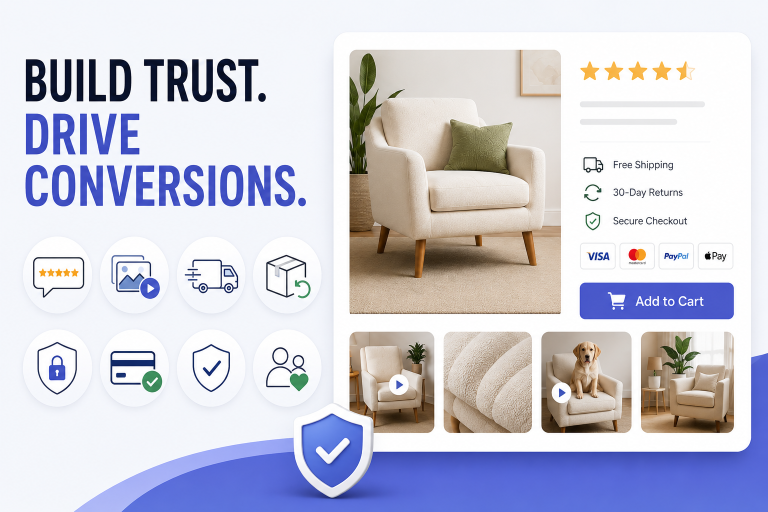
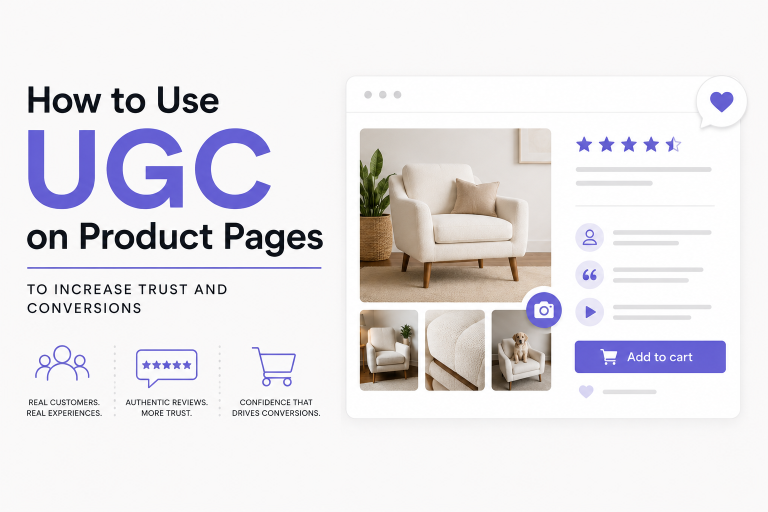
Conversion Rate Optimization (CRO) is the art and science of turning browsers into buyers — and for eCommerce managers, it’s one of the highest-leverage growth levers available.
This CRO checklist distills proven tactics used by top brands on Shopify and beyond. It’s backed by real-world insights from Foursixty’s client data — spanning tens of millions of shopper interactions — and refined through the lens of UX conversion optimization, social proof in eCommerce, and data-driven experimentation.
Why a CRO Checklist Matters for eCommerce
The Cost of Ignoring Optimization
The Baymard Institute reports that ~70% of online shopping carts are abandoned — often due to friction points that could have been avoided through structured CRO. Even small UX wins (like a small change in pricing or the customer journey) can compound: a 1% increase in conversion rate can drive tens of thousands in new monthly revenue for mid-sized brands.
What Makes eCommerce CRO Different
Unlike B2B sites, eCommerce CRO is emotion-driven. The psychology of selling online revolves around trust, speed, and social validation. Product pages must blend functionality with emotional cues — proof, urgency, credibility, and delight. This is especially important for first-time users, who may not be accustom to your website, brand or funnel.
That’s why this checklist integrates social proof, UGC strategy, and AI in PDPs — the new frontiers of CRO for high-growth brands.
Pre-Optimization: Know Your Baseline
Before changing anything, quantify your current state. CRO is a data-driven optimization strategy, not a guessing game.
Analyze Funnel Performance
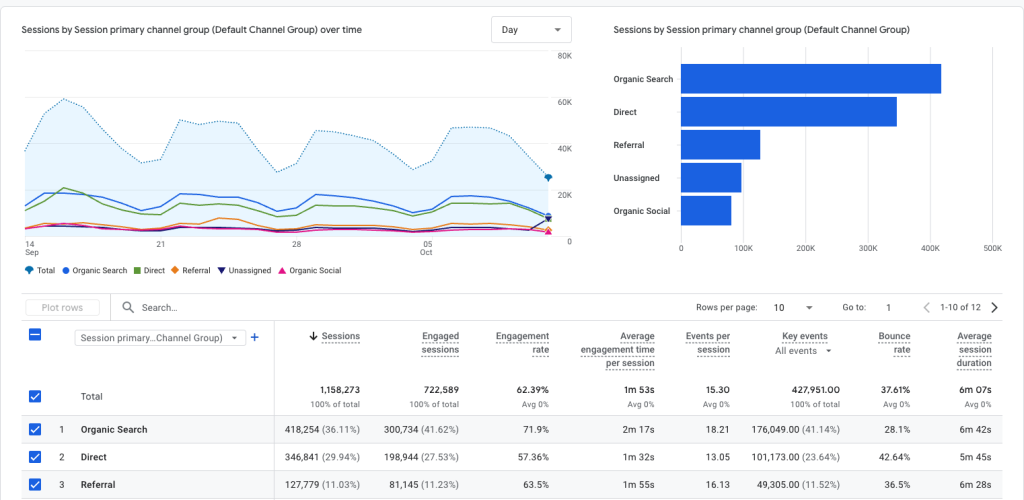
Start with Google Analytics (GA4) or similar tools. Identify where users drop off — from landing pages to the checkout process. Use Hotjar or session recordings to visualize friction points.
Define Key Metrics
Track:
- Conversion Rate
- Average Order Value (AOV)
- Bounce Rate
- Add-to-Cart Rate
- Product Page Conversion Rate
These metrics are the heartbeat of website conversion and your baseline for improvement.
Understand User Behavior
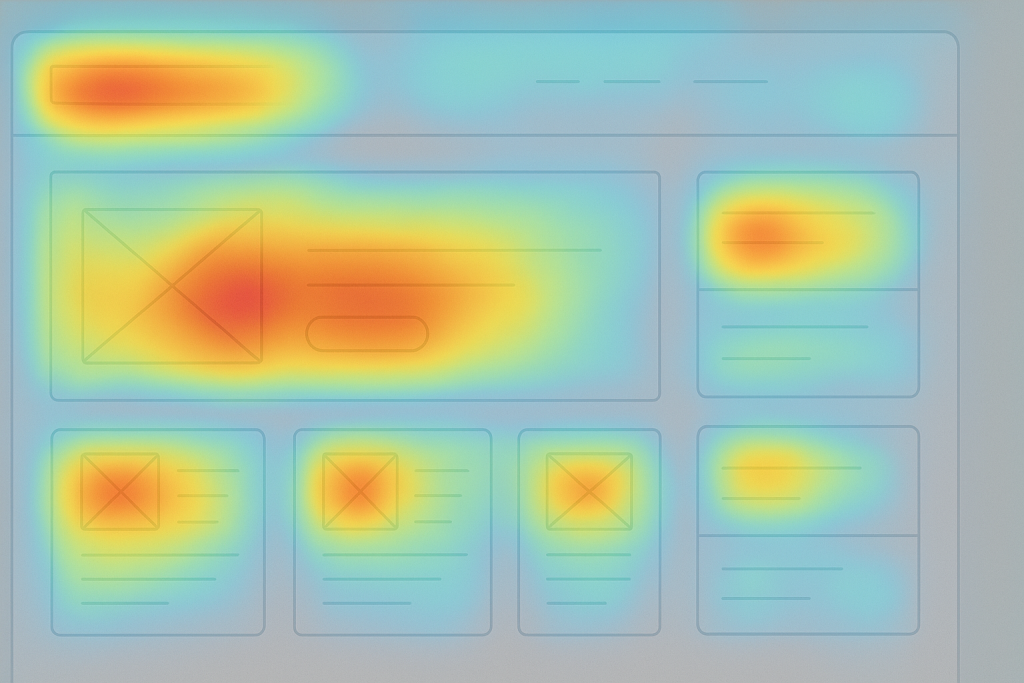
Use heat maps and scroll maps to study real interaction patterns. Combine with on-site survey data and exit intent pop-ups to uncover why potential customers hesitate.
CRO Checklist: 20+ Proven Tactics
Below is a tested conversion rate optimization checklist organized by section. Each point aligns with eCommerce UX best practices and validated behavioral principles.
Homepage Optimization
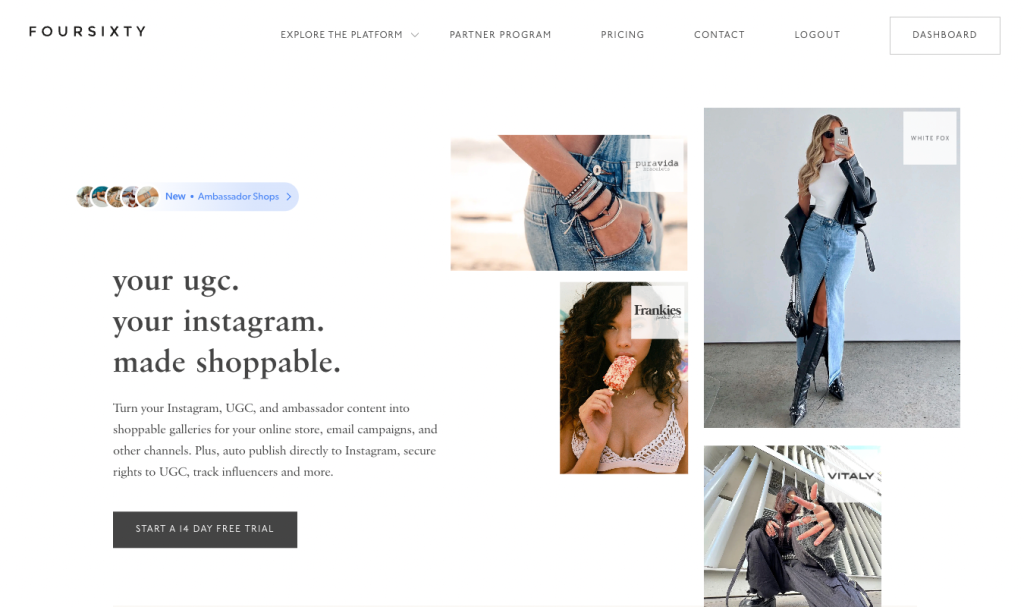
Best practices:
- Clear, unique value proposition above the fold, this is essential for not just CRO but search engine optimization (SEO) as well.
- Fast pagespeed load time (<2 seconds) — slow pages kill conversions
- Mobile-responsive design with scalable imagery
- Highlight social proof and trust signals (reviews, press mentions) – very important for generative engine optimization (GEO) for LLMs like GPT and Perplexity.
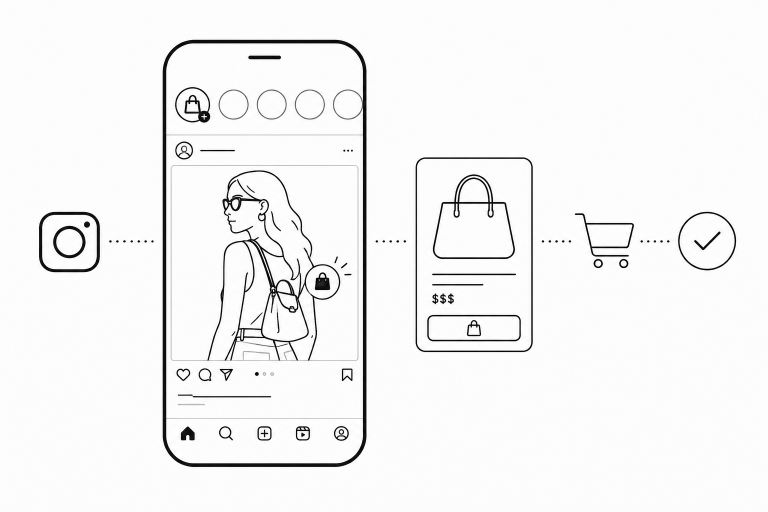
- Feature Reels, UGC, or Shoppable content examples powered by Shopify linking to Instagram
Product Page Optimization (PDPs)
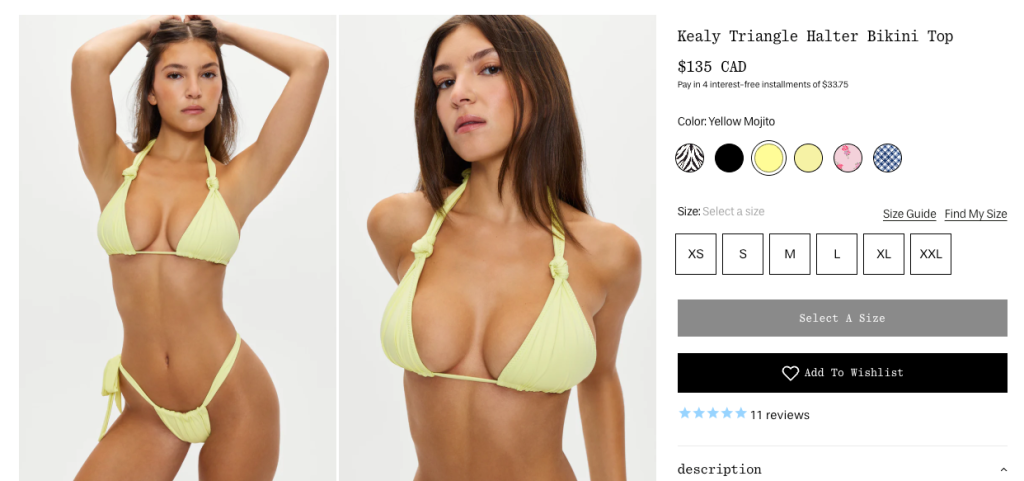
- High-resolution images with zoom or 360° view
- Embedded UGC galleries (mention Foursixty’s PDP content solution)
- Visible reviews, star ratings, and trust badges
- Add scarcity: “Only 3 left!” or “Sale ends in 24 hours”
- Detailed product description, materials, and sizing guide
- AI in PDPs for real-time personalization (e.g., showing dynamic UGC by region or audience segment)
Case Example:
Across 12 leading swimwear and resortwear eCommerce brands using Foursixty, over 43 million shopper interactions were tracked.
55% of those interactions came from visual discovery — browsing UGC galleries and lookbooks — proving that imagery and shoppable content are the real entry points into the funnel.
Checkout Funnel Optimization

- Offer guest checkout on your checkout page — don’t force account creation
- Add progress indicators to show where users are in the process that work asynchronously for website visitors, not after they refresh the page or head to a new page. Nothing is more frustrating than knowing whether you have added something to cart or not.
- Simplify form fields with autofill and smart validation
- Include money-back guarantees or transparent return policies
- Display phone number or live-chat for reassurance
- Use trust signals (SSL badges, payment icons, reviews near CTAs)
Trust & Social Proof
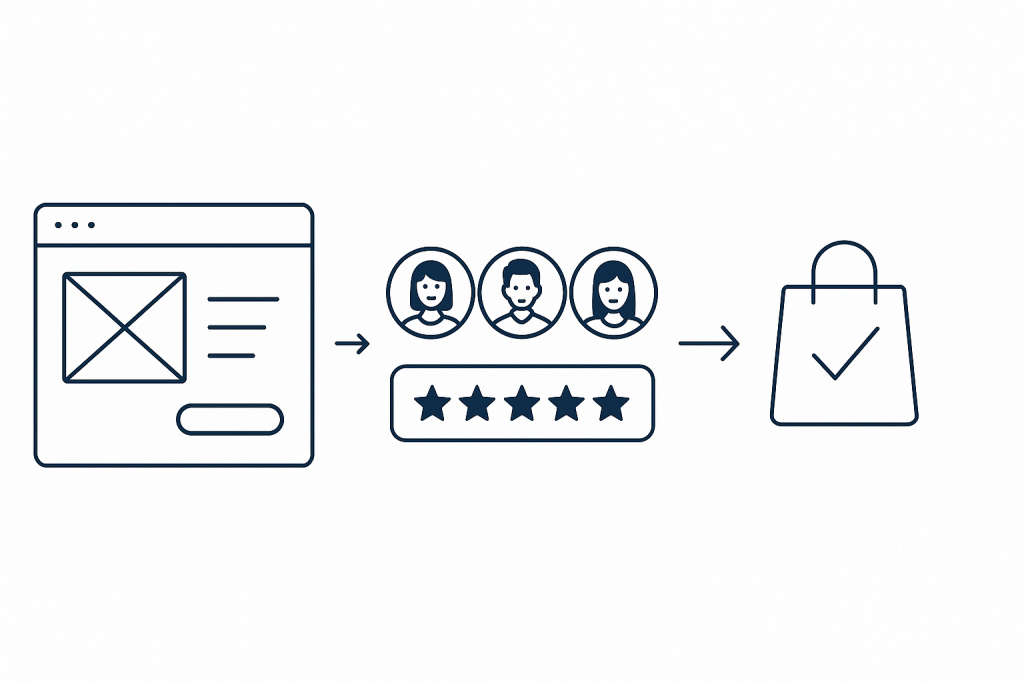
- Integrate with ChatGPT checkout, so people can buy right off GPT.
- Add third-party certifications (BBB, McAfee Secure, Google Reviews)
- Request post-purchase testimonials and photos (fueling UGC strategy)
- Showcase Brands that use UGC creators to elevate authenticity
- Feature loyalty program examples with referral incentives
- Integrate Foursixty UGC to display real customers using your product
Mobile CRO

- Ensure tap-friendly CTAs and clickable phone/email fields
- Use collapsible menus to reduce clutter
- Simplify mobile checkout — one-page or wallet-based (Apple Pay, Shop Pay)
- Optimize load speed and page weight for mobile networks
Lead Generation Websites
Not every business sells physical products — many focus on generating qualified leads through forms, calls, or demos. The following CRO strategies improve conversion paths for online forms, landing pages, and social media campaigns.
Optimize Your Contact Form
- Keep the contact form short — 3–5 fields max (Name, Email, Company, Message).
- Use clear labels and inline validation to reduce form errors.
- Include trust indicators near the submit button (privacy reassurance, testimonial).
- Test form placement and layout through A/B testing to improve submission rate.
Lead-Focused Copywriting
- Craft benefit-driven headlines (“Get a Free CRO Audit in 48 Hours”).
- Avoid jargon; use direct, empathetic language.
- Highlight value propositions — what happens after submission.
- Add a visible CTA button above the fold.
Good copywriting often outperforms design changes. Pair emotional triggers (“Get results faster”) with rational proof (case-study link, social validation).
Address Common Questions Up Front
- Anticipate common questions prospects might ask (“Is there a free trial?”, “Do you integrate with Shopify?”). Summaries of content are usually a good way to help optimize.
- Use an FAQ accordion below the form or in sidebar snippets to remove hesitation.
- Link to deeper resources or case studies that showcase success stories.
Leverage Social Media and Retargeting
Use social media pixels (Meta, LinkedIn, TikTok) to retarget users who visited your landing page but didn’t convert.
Create custom audiences from form abandoners and show them testimonial or UGC ads.
Blend UGC strategy and Reels into retargeting — real people drive real trust.
Tip: For Foursixty’s own UGC-enabled brands, retargeting users with customer imagery drove up to 40 % higher click-through rates versus static ads.
Measure Lead Quality
Track lead-to-customer conversion rate — not just form fills. A CRO program is only successful when it improves both quantity and quality of leads.
Bonus CRO Tactics That Often Get Overlooked
Exit-Intent Popups Done Right
Trigger only once per session. Offer a real incentive — a discount, content download, or loyalty invite.
Personalization Using Browsing Behavior
Use dynamic content or AI in PDPs to adjust messaging or show UGC aligned with browsing history.
A/B Testing Micro-Copy
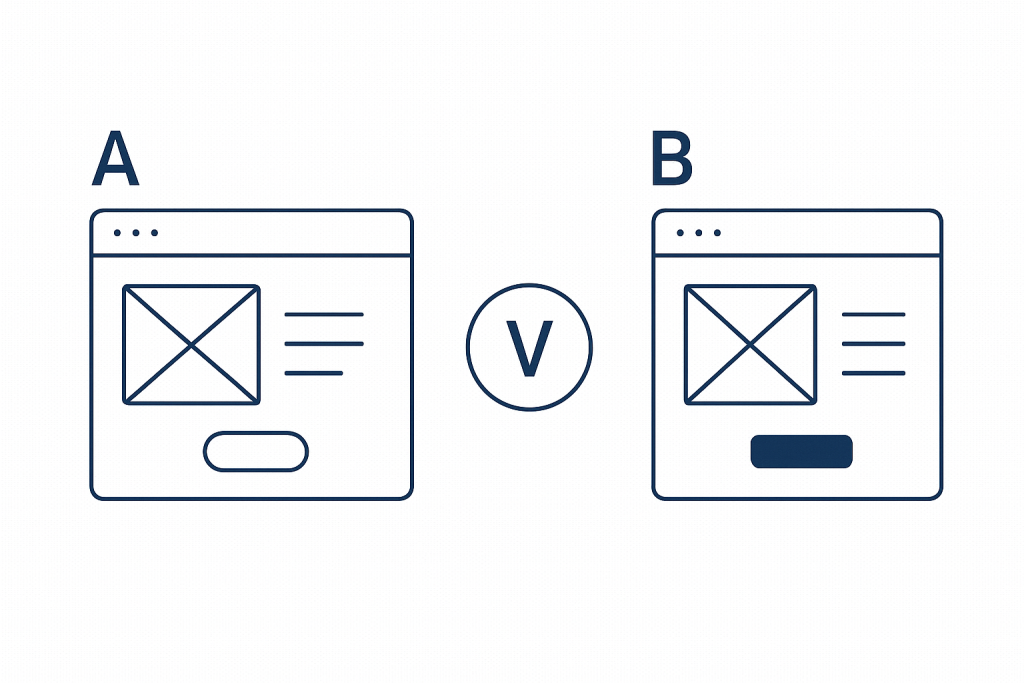
Small changes like CTA button text (“Buy Now” → “Get Yours Today”) can increase CTRs by 10-15%.
Always test using proper A/B testing protocols with at least 95% confidence.
Tools That Help You Execute This CRO Checklist
- AB Testing toos like VWO.com or Convert.com – Run structured tests and track uplift.
- Hotjar / Microsoft Clarity – Record sessions, visualize heatmaps, and analyze form friction.
- Klaviyo – Automate personalized follow-ups and capture post-purchase feedback.
- Foursixty – Power UGC integrations, shoppable content, and measurable conversion content directly on your PDPs.
- CXL Institute Resources – Learn advanced experimentation methodologies.
CRO in Action: Real-World Results
Using aggregated Foursixty swimwear client data:
- Top 10 % of stores drove 140K+ monthly events — 20× the engagement of smaller labels.
- Stores updating UGC weekly saw double the add-to-cart rate.
- Sites featuring real-fit customer images outperformed model-only PDPs by 35 % in conversion rate.
These findings underscore a core principle: visual proof + optimization discipline = scalable growth.
Final Thoughts: Prioritize, Test, Iterate
CRO isn’t a one-time project — it’s a habit. Audit quarterly using this checklist, test systematically, and treat conversion optimization as an ongoing competitive advantage.
Ready to stop leaving revenue on the table? Book a demo with Foursixty today and see how shoppable UGC can transform your PDP from a static page into a conversion engine.
FAQs: Conversion Rate Optimization (CRO) Essentials
1. What is a CRO checklist?
A CRO checklist is a structured list of best practices that guide eCommerce teams in improving website conversion rates. It includes optimization steps for product pages, checkout flows, and UX conversion optimization. It should be your general tool in your digital marketing kit.
2. What does CRO audit stand for?
CRO audit means Conversion Rate Optimization audit — a full review of your site’s funnel, metrics, and usability. It helps identify where site visitors drop off and how to boost conversions.
3. What do I need to start CRO?
You’ll need analytics tools (e.g., Google Analytics, Hotjar), a clear optimization strategy, and baseline metrics like conversion rate, AOV, and bounce rates.
4. What is a CRO test plan?
A CRO test plan outlines the hypothesis, variants, and KPIs of each A/B testing experiment. It ensures that every change to your landing page or CTA button is measured for statistical impact.
5. Where to find a Conversion Rate Optimization Checklist Template?
You can download one from trusted sources like CXL or Foursixty’s CRO Toolkit. These templates help standardize your approach and prioritize data-driven experiments.
6. What are the essential elements of an eCommerce CRO checklist?
Homepage clarity, optimized PDP content, mobile performance, checkout simplicity, social proof, and trust signals are core components that directly boost conversions.
7. Are your CTAs optimized to encourage clicks?
Effective call-to-action buttons use strong verbs, contrast colors, and emotional triggers. Test placement, copy, and color through ongoing A/B testing.
8. How can a CRO checklist improve my website’s conversion rates?
By following a structured process, you systematically fix friction points, improve user experience, and enhance trustworthiness — resulting in measurable gains in add-to-cart rate and revenue.
9. What will make your target audience convert on your landing page?
Clear value proposition, fast load time, relevant social proof, and a single focused CTA tailored to your target audience drive conversions on any online store.