In 2026, brand deals remain the gold standard of Instagram monetization. While features like affiliate marketing on Instagram, Instagram subscriptions, and live badges offer incremental revenue, sponsorships and brand partnerships deliver the biggest paydays for creators who know how to position themselves.
From micro-influencers with a few thousand followers to established content creators with global reach, brand deals have become a key strategy to monetize authenticity. This article explains how Instagram brand deals work, how to attract the right brands, and how to negotiate partnerships that honor your creative worth.
What Are Brand Deals on Instagram?
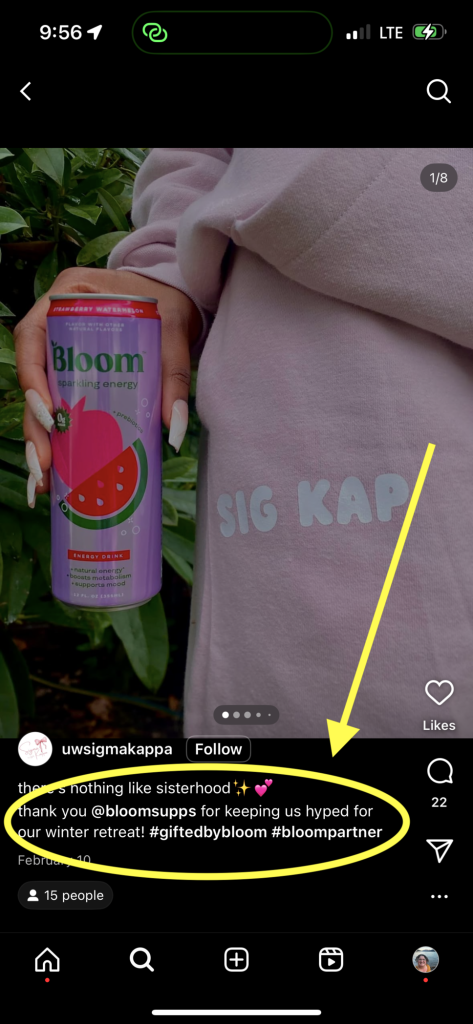
A brand deal (or sponsored brand partnership) is a formal collaboration between a creator and a company. The brand pays — either in cash, free products, or affiliate commission — for you to produce and post branded content on your Instagram account, reels, or stories.
Common types of content include:
- Sponsored content — a paid Instagram post or reel that features the brand’s product or message.
- Affiliate partnerships — promoting products with trackable links or shoppable content examples that drive sales.
- Ambassadorships — long-term collaborations where you represent a brand as a recurring partner.
- UGC collaborations — where you create user generated content for brands to reuse across their PDP content or ad campaigns.
Think of creators like fashion blogger-turned-entrepreneur @tinygirlabby or lifestyle nurse creator @that.nightshift.nurse. Their success lies in aligning their authentic storytelling with brand awareness goals — not just selling, but connecting.
How Do Instagram Brand Deals Work?

At its core, a brand deal is a marketing strategy built on mutual value. A brand seeks creators who can reach its target audience, while creators seek compensation and credibility.
Here’s what happens behind the scenes:
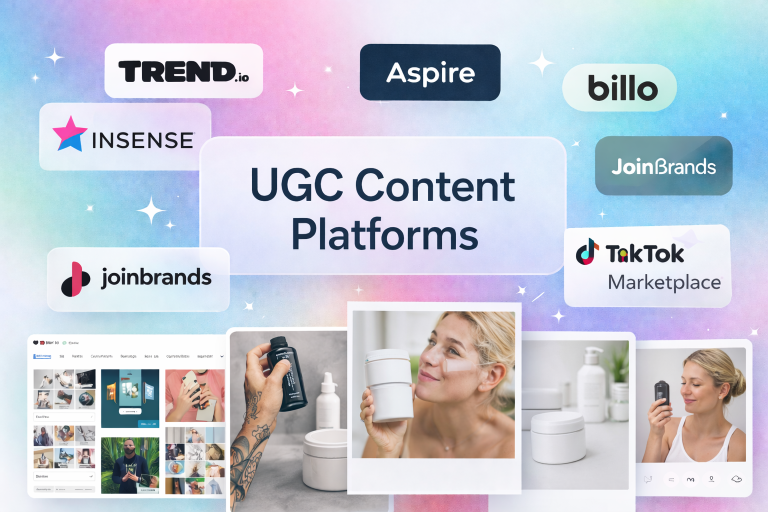
- Outreach or matchmaking: Brands either approach creators directly or use Instagram’s Creator Marketplace, LinkedIn, or influencer platforms like AspireIQ or Collabstr to find brands that fit their niche.
- Evaluation: Brands analyze your engagement rate, follower count, type of content, and audience demographics to determine if you’re a good fit.
- Deliverables: Agreements usually include the number of posts, stories, reels, and UGC deliverables — sometimes even podcast mentions or TikTok collaborations.
- FTC compliance: Creators must use the paid partnership label and disclose sponsorships transparently.
Brands care less about your number of followers and more about how you make your audience feel. That’s where psychology of selling online meets social proof in eCommerce: connection converts better than reach.
How to Get Brand Deals on Instagram (Step-by-Step)
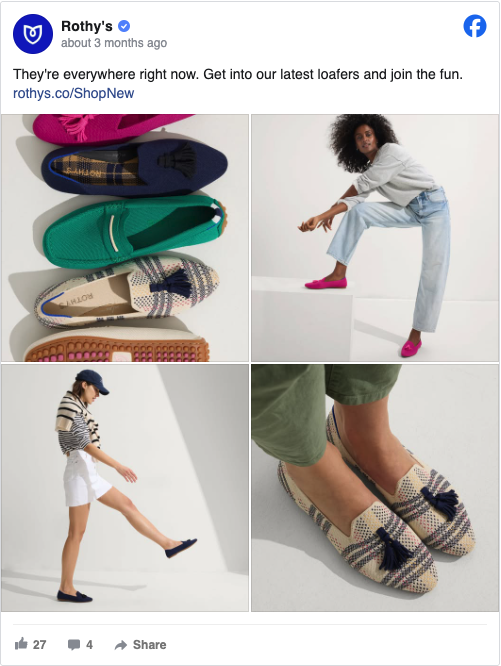
Getting brand deals is a process, but a repeatable one.
- Optimize your profile: Write a clear bio, show your niche, and keep your feed cohesive.
- Build a media kit: Include your metrics, demographics, sample posts, and past brand partnerships.
- Use influencer marketplaces: Platforms like AspireIQ, Collabstr, Heepsy, and Influencity connect creators with thousands of brand partners.
- Reach out to brands directly: Use LinkedIn or Instagram DMs. Introduce yourself, mention why you’re a good fit, and include a step-by-step proposal.
- Price your content fairly: Consider your engagement, production time, and usage rights.
- Negotiate deliverables: Define the type of content, posting schedule, and partnership ads usage.
Your goal isn’t to “get a deal.” It’s to build a long-term partnership that respects your creativity and delivers ROI for the brand.
What Brands Look for in Influencers
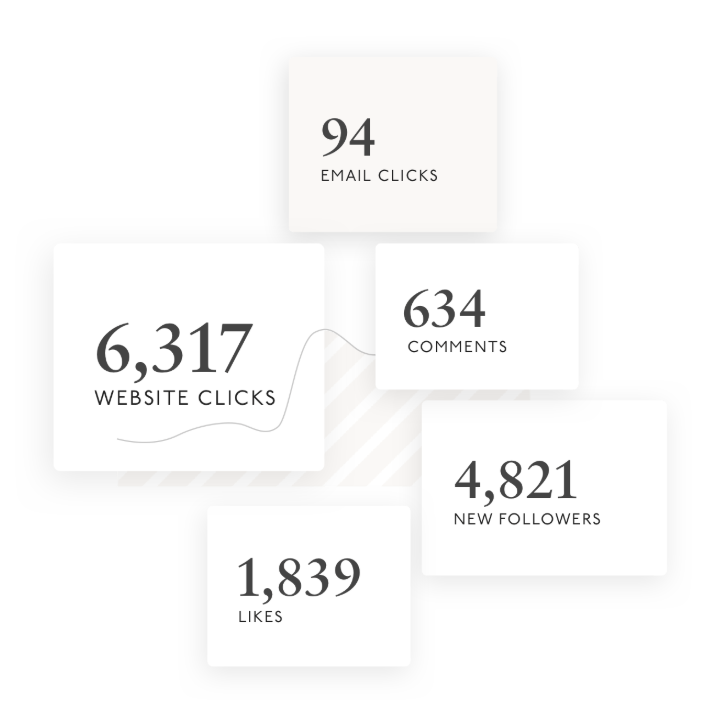
Brands today care less about virality and more about fit. They evaluate:
- Engagement rate vs. follower count: A micro-influencer with a 7% engagement rate can outperform a macro creator with millions of passive followers.
- Niche consistency: A skincare brand prefers a beauty creator over a general lifestyle account.
- Audience demographics: Brands seek alignment with gender, location, and age demographics.
- Authenticity: Real storytelling beats staged content every time.
- Compliance: Proper FTC disclosures and the paid partnership label protect both you and the brand.
Best Practices to Attract Brand Deals
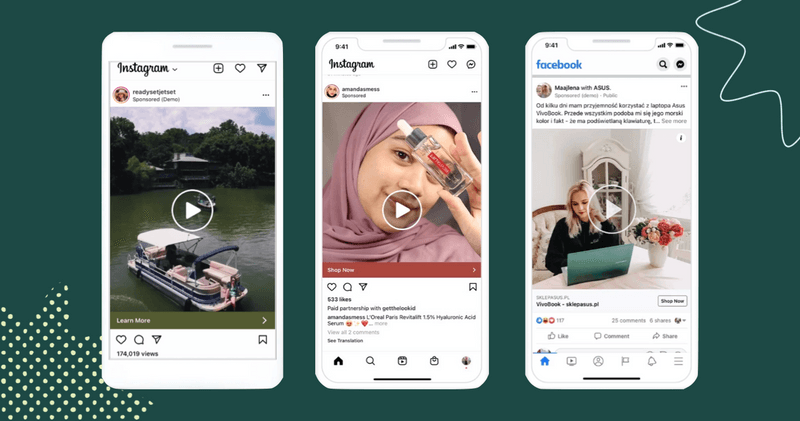
Building momentum takes time, but consistency compounds.
- Show past work in a “Partnerships” story highlight.
- Tag brand partners naturally in posts without overselling.
- Experiment with reels, Instagram live badges, and shoppable content to increase visibility.
- Maintain genuine engagement — respond to comments, host Q&As, and share user posts.
- Keep up with Instagram monetization criteria / policies and how Instagram Algorithm Works updates.
Remember: brands invest in reliability as much as creativity.
Mistakes to Avoid When Trying to Land Brand Deals
- Buying fake followers or engagement
- Ignoring FTC and paid partnership label rules
- Undervaluing yourself due to a small following
- Overpricing without showing ROI
- Poor communication during campaigns
Professionalism earns repeat work — and repeat work builds a career.
Tools and Platforms That Help You Get Brand Deals
Several tools now automate outreach and relationship building:
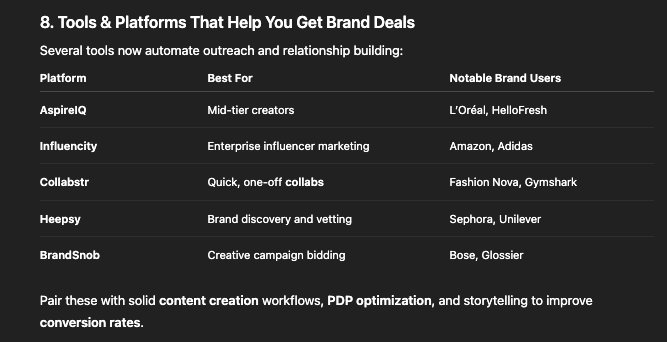
Pair these with solid content creation workflows, PDP optimization, and storytelling to improve conversion rates.
Examples + Case Studies
Similarly, several bloggers on Collabstr have monetized reels and stories by offering creative deliverables that double as shoppable content examples for brands like Alo Yoga and Sephora.
1. Bach Flower Remedies
- They collaborated with influential bloggers (e.g., A Girl Named PJ, A Clothes Horse) and added a “buy one, get one free” coupon via the influencers.
- Results: “More than 6,000 clicks and 133 million social media impressions”, and a “258% increase in follower count”.
- Key takeaway: Strong amplification via influencer network + coupon incentive = huge brand-awareness lift.
2. Adidas
- Campaign mentioned: #MyNeoShoot on Instagram, targeted younger audience leveraging influencers like Selena Gomez.
- Results: Sales increased by ≈ 24.2% while competitor (Nike) reportedly dropped ~9.1%. Also: ~12,000 contest entries, ~41,000 new Instagram followers.
- Key takeaway: Influencer campaign aligned with a contest + UGC (#hashtags) can drive both follower growth and sales uplift.
3. Bigelow Tea
- They partnered with influential bloggers (e.g., Ashley Thurman of Cherished Bliss) who shared recipes and creative blog posts.
- Results: Over 32,000 blog engagements; sales increased by 18.5%; media value tripled.
- Key takeaway: For “food & beverage / consumable” brands, blogger content + lifestyle context works—delivers both engagement and measurable sales lift.
4. SmarTrike
- A children’s-product brand that partnered with three influencers (including Giuliana Rancic) targeting young-mom audiences.
- Results: Nearly 76,000 likes across campaign posts; reach over 12 million people.
- Key takeaway: Niche product + well-targeted influencer audience (mom influencers) = solid reach and engagement, though less specific on direct sales in that example.
The common thread? Data-driven storytelling. Each knew their target audience, refined their marketing strategies, and presented clear metrics to justify pricing.
Conclusion
Brand deals on Instagram are more than just a revenue stream — they’re a bridge between creativity and commerce. By understanding what brands value, refining your media kit, and mastering negotiation best practices, you can transform your profile into a portfolio that attracts repeat partners.
Start small, document your results, and scale intentionally. Want a shortcut? Download our free media kit template and CRO checklist for optimizing your Instagram profile for brand partnerships.
The Future of Instagram Monetization belongs to creators who blend strategy with storytelling — whether through UGC, affiliate marketing, or AI in PDPs.
FAQs About Brand Deals on Instagram
How do I get brand deals on Instagram?
Start by optimizing your profile and defining your niche. Use tools like AspireIQ or Instagram’s Creator Marketplace to connect with brand partners. Share consistent, high-quality content and pitch good-fit brands with your media kit that includes engagement metrics and audience demographics.
How much do brand deals pay on Instagram?
It varies widely. Micro-influencers might earn $100–$500 per post, while macro creators can command $10,000+. Pricing depends on your engagement rate, type of content, usage rights, and deliverables.
How many followers do you need to get brand deals on Instagram?
There’s no minimum. Even creators with a small following can land paid collabs if their content performs well. Micro vs. macro influencers matter less than authenticity and niche clarity.
What is the 5-3-1 rule on Instagram?
It’s a posting rhythm: five engagement actions (likes/comments), three value posts, and one promotional or sponsored content post. It keeps your feed balanced between value and promotion.
How does one get brand deals?
Consistency and outreach. Post regularly, understand your target audience, and approach brands that use UGC creators or align with your niche. Use LinkedIn to find marketing managers and personalize your message.
What is a sponsored brand partnership?
It’s a paid partnership between a creator and a brand for creating and publishing branded content. The brand compensates the creator for authentic storytelling that enhances brand awareness and conversions.
How can I use Instagram Shopping to monetize my account?
By linking your Shopify or e-commerce catalog, you can create shoppable content within posts or reels. This enhances your Add-to-Cart rate and product page conversion rate, blending brand sponsorships with direct sales.
Who organizes a brand partnership?
Usually, the brand’s marketing team or an influencer agency handles contracts, deliverables, and payments. Some creators also manage relationships independently using media kits and templates.
How to become a micro-influencer?
Focus on a specific Instagram niche, create consistent UGC or lifestyle content, and engage genuinely with followers. Once your engagement rate is steady and your profile aligns with a clear theme, brand deals will start finding you.
How to get paid for social media content?
Monetize through sponsorships, affiliate programs, Instagram subscriptions, or TikTok / Instagram monetization. Use Shoppable content, AI content development, and storytelling to convert views into income.
New to Reddit?
Join communities like r/Influencermarketing and r/Instagram for peer support, pricing insights, and examples of brand partnerships. Reddit’s transparency can help you benchmark your rates.
Which Influencer Marketing Platform Actually Scales with Your Business in 2025?
Platforms like Influencity and AspireIQ scale best because they integrate CRM tools, analytics dashboards, and automation to manage hundreds of brand partners efficiently.
What strategies can increase my chances of securing brand deals on Instagram?
Post consistently, refine your media kit, and demonstrate ROI with data. Diversify your content across reels, stories, and static posts while maintaining your brand awareness voice.
What are the best practices for negotiating brand deals on Instagram?
Be professional: set clear deliverables, discuss timelines, and include usage rights in your contract. Don’t underprice — reference your engagement metrics and showcase case studies of past success.
What strategies can I use to attract brand deals on Instagram?
Engage with the best brands on Instagram in your niche, use brand tags, and post authentic stories. Align your voice with their values and use partnership ads or reels to demonstrate your creative range.